The Short Answer
Yes, upgrading your attic insulation when you replace your roof is often a great choice. Both systems work as a team to protect your home. Replacing your roof gives your contractor a clear view of your attic space from above and below. If your old insulation is thin, wet, or damaged, taking care of it around the same time as your roofing project keeps your home comfortable, reduces overall disruption, and helps lower energy costs over time.
A combined review can also make decisions easier before work begins. The contractor can look for signs of old leaks, uneven insulation, blocked airflow paths, or areas where the insulation has settled. Then the estimate can explain whether the attic needs a simple top off, removal of damaged material, or a more detailed inspection before insulation is added. This approach gives the homeowner a clearer picture of the roof and attic as connected parts of the same home system. It also helps avoid making an insulation decision based only on what is visible from the attic hatch. The final scope should reflect the condition of the home, not a one-size-fits-all plan. This keeps planning focused, practical, and easier to understand.
Why the Timing Makes Sense
Your roof and attic insulation work together like a warm winter coat and a rain jacket. Shingles keep rain, snow, and wind out. Attic insulation keeps warm air inside during winter and blocks outdoor heat during summer.
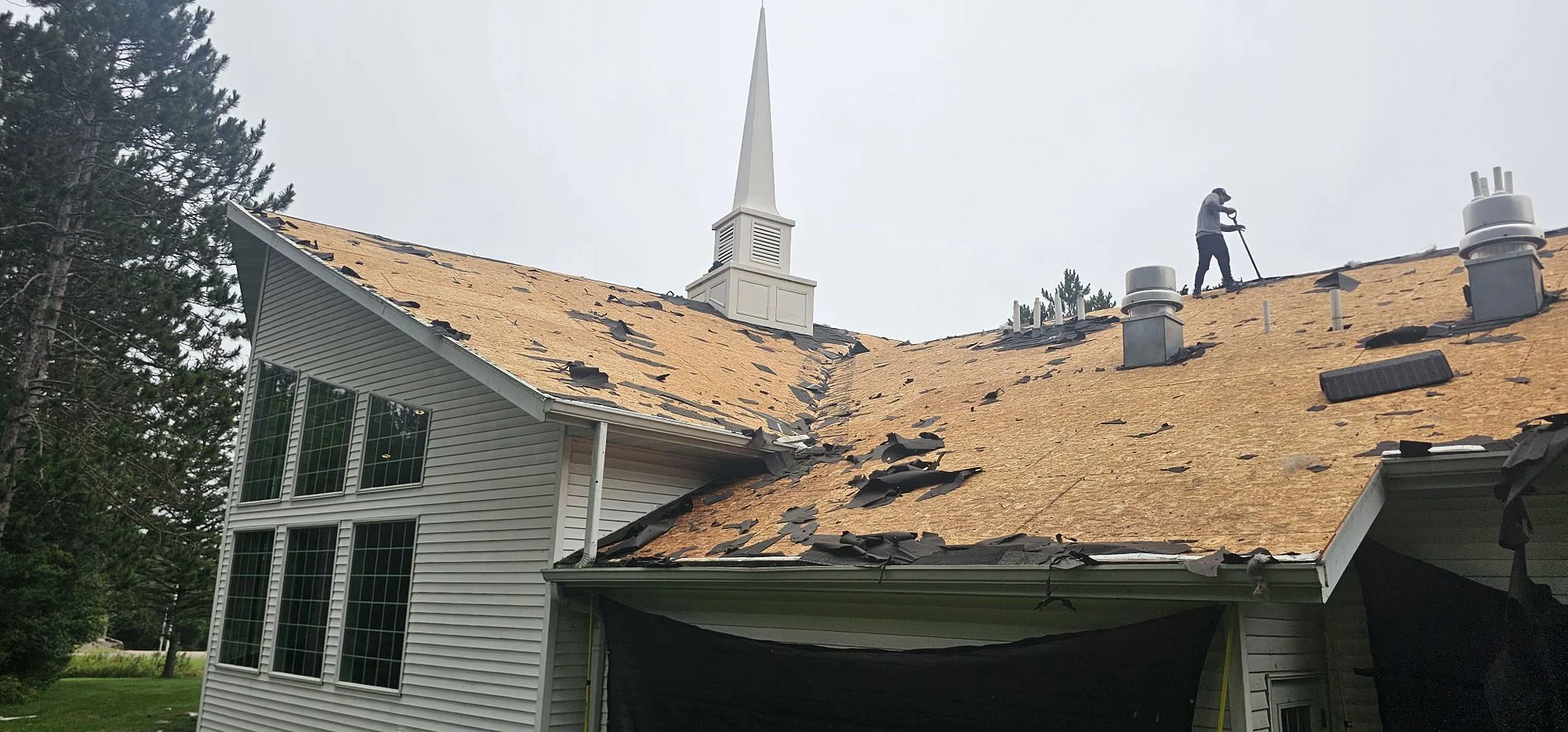
During a roof tear-off, workers remove old shingles and inspect the wood boards underneath. You can learn more about underlayment and roof decking. If past leaks existed, rotted wood boards will show up right away. That process also reveals if your insulation has water stains, mold, or heavy settling.
How Attic Insulation Protects Your Roof
When warm indoor air escapes into a cold attic, it warms the roof deck. In winter, this warm deck melts snow on your roof. The water runs down to the cold roof edge and freezes, creating ice dams. Learning how attic ventilation and insulation work together explains why keeping a cold, well-insulated roof deck helps reduce ice buildup. Escaping indoor moisture can also cause attic dampness. Understanding winter attic frost and moisture helps protect wood rafters and roof nails from rust and rot.
Signs Your Attic Needs More Insulation
How do you know if your attic needs attention during your roof replacement? Look for these common warning signs:
- Uneven room temperatures: Upper rooms feel very hot in summer or cold in winter.
- High energy bills: Your heating and cooling costs keep rising because heat escapes through your ceiling.
- Visible water damage: Dark stains or damp spots show where past roof leaks soaked the insulation.
- Pest droppings or nests: Mice, bats, or squirrels nested in the attic material, causing odors and health issues.
- Insulation is below the joists: If you look across the attic floor and easily see the wood joists, your insulation depth is too low.
- Old, settled material: Aging material compresses over time, losing its ability to trap air and keep your home cozy.
Before checking your attic, review safety tips for homeowners working with insulation to avoid stepping through drywall or breathing dust.
Top Off or Remove Old Insulation?
Homeowners often ask if they should pull out old material or just add fresh insulation on top.
When to Top Off Existing Insulation
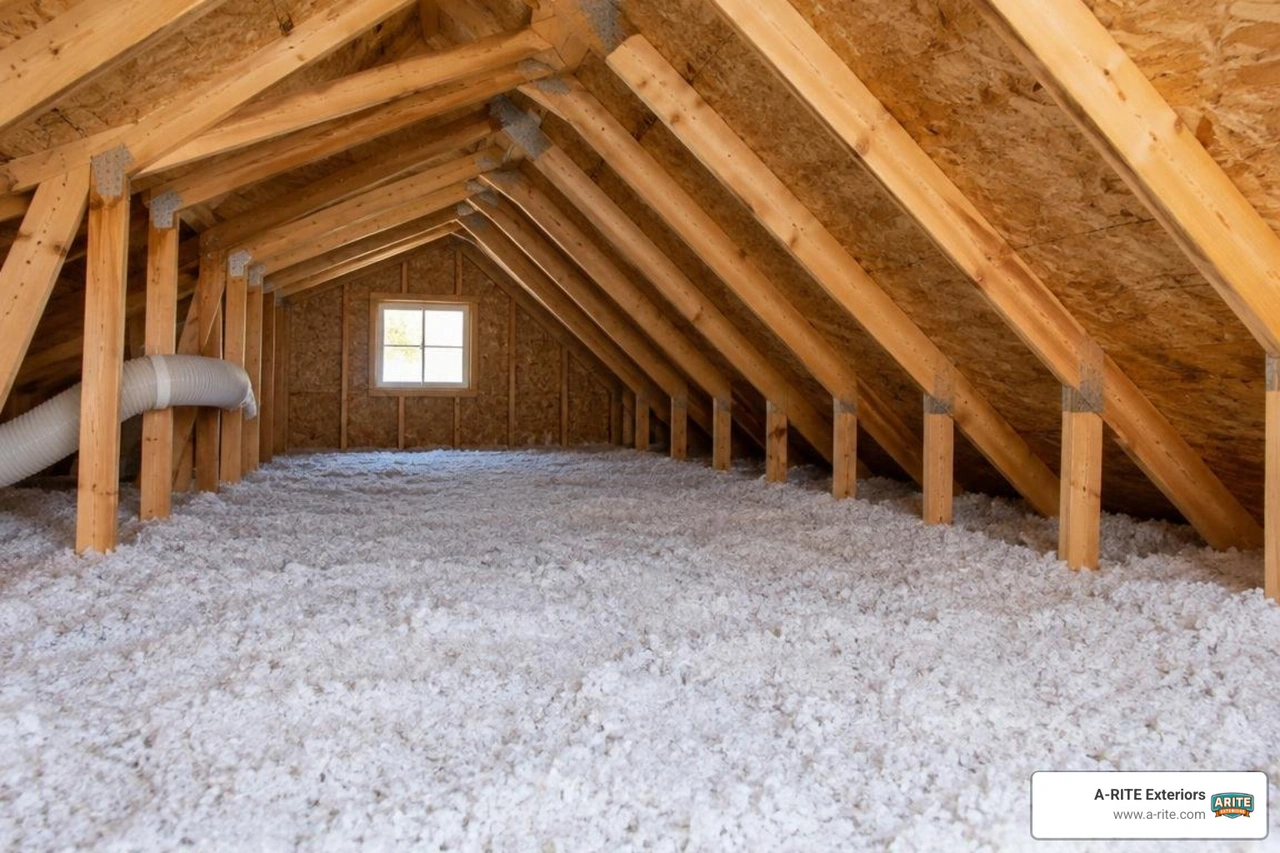
You can usually top off insulation if the current layer is dry, clean, and free of mold or pests. Adding fresh blown-in insulation over clean existing material builds up thickness and helps you reach the right R-factor for your home.
When to Remove Old Insulation
You should completely remove old insulation if it was soaked by roof leaks, contaminated by pests, or damaged by mold. Leaving ruined insulation under new material can trap odors and moisture issues. A complete cleanout prepares the attic floor for fresh, clean insulation.
What A-RITE Installs
At A-RITE Exteriors, we install blown-in fiberglass attic insulation and spray foam based on your home layout and needs. We install Owens Corning AttiCat blown-in insulation to provide even coverage across the attic floor. We also offer an optional 2-inch spray foam layer under the blown-in insulation, which adds about R-7 per inch. We also remove old, damaged insulation when a clean start is required.
Target R-Values for Cold Climates
Insulation power is measured by R-value, which shows its resistance to heat flow. ENERGY STAR recommends R-49 to R-60 for an uninsulated attic in cold climates like Wisconsin. Wisconsin code calls for R-49 in attics, and A-RITE aims for R-60 or higher for better winter performance. A-RITE can inspect the attic, explain what is there now, and recommend a practical target for the home. Understanding insulation R-value helps you pick the right depth. You can review attic R-value requirements to see the depth needed for your home. You can also explore R-factor insulation ratings to learn how thermal ratings work.
How to Plan Both Projects
Coordinating your roof and attic insulation work helps everything go smoothly, regardless of which task is completed first.
- Initial Inspection: An assessment of your roof condition, ventilation paths, and current attic insulation depth.
- Pre-Winter Checks: Checking exterior parts before cold weather by using a pre-winter exterior inspection checklist.
- Ventilation Checks: Checking attic ventilation paths so fresh air flows freely from soffits to roof vents.
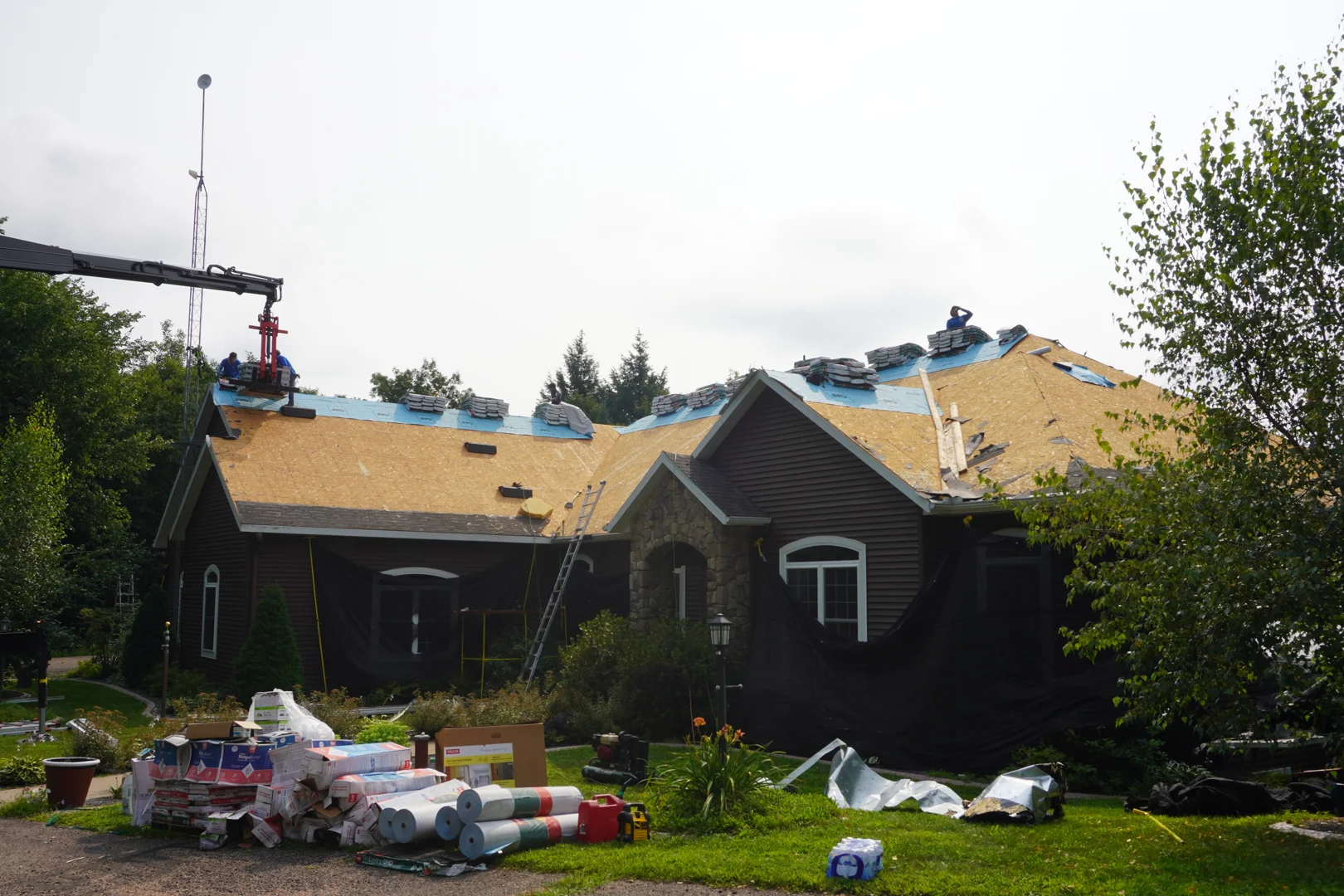
- Roof Replacement Work: Completing the tear-off, replacing bad decking, and installing new underlayment and shingles. Read our roof replacement home preparation guide to get ready.
- Attic Insulation Work: Removing old material if needed and adding fresh blown-in fiberglass or spray foam to reach your target depth.
What Does It Cost?
Roof replacement and attic insulation costs depend on several details. Complete roof replacements typically range from upper four figures to mid five figures, depending on roof size, pitch, number of existing layers, decking condition, selected materials, and labor.
A-RITE's blown-in attic insulation runs about $6.50 to $8.00 per square foot of attic space, and the price includes removing old insulation when needed. A 2,000 square foot attic at $6.50 is about $13,000. For more cost details, read what is included in a roof replacement estimate and learn what makes roofing costs go up or down.
A lower price may reflect differences in materials, scope, cleanup, warranty coverage, or installation details.
Rebates and Financing Options
Homeowners may qualify for Focus on Energy rebates. These rebates are for qualifying insulation and air-sealing work (such as attic insulation, air sealing, wall insulation, foundation insulation, duct sealing, and qualifying DIY attic insulation and air sealing), not for roof replacement itself. Rebate amounts and eligibility rules change over time, and homeowners should confirm current program rules before starting work.
Financing options are available for qualifying homeowners. Loan amounts up to $100,000 unsecured may be available, with final approval, rates, and terms based on lender review and credit qualification. A-RITE offers financing through Service Finance.
Frequently Asked Questions
Can I add attic insulation without replacing my roof?
Yes. If your roof is in good shape and has no leaks, you can upgrade your attic insulation on its own at any time. However, if your roof is old, taking care of both projects around the same time is convenient.
Should damaged or wet insulation be removed before the new roof is installed?
Active roof leaks should be repaired during roof work. Once roof leaks are fixed, wet or damaged insulation should be removed so trapped moisture does not cause rot or mold beneath your attic space.
How do I know if my soffit vents are blocked by insulation?
If you look into the attic eaves during the daytime and see no daylight near the soffits, insulation may be blocking your intake airflow. Keeping ventilation paths clear helps air move smoothly from the eaves up to the roof ridge.
Conclusion
Upgrading your attic insulation around the time you replace your roof helps your roof and attic work together. A sturdy roof keeps moisture out, while proper attic insulation helps manage heating and cooling costs.
A-RITE Exteriors is a GAF Master Elite contractor, and we provide dedicated attic insulation services along with complete roof replacements. As an experienced attic insulation contractor in Central Wisconsin, we pull the building permit on our roof replacement jobs when the town requires one. Our service area covers Stevens Point north to Minocqua along the Highway 51 corridor and the towns in between, and we can also serve Wisconsin Rapids.
You do not need to be home for the roof install or the insulation install. Contact A-RITE Exteriors today to request a free estimate for your roof and attic.