Insulation Safety Tips for Homeowners
Installing insulation can make your home more comfortable and energy efficient.
But if it is not handled properly, it can also cause health issues, safety risks, and costly mistakes.
The good news is that most problems can be avoided with the right preparation.
Here are the most important insulation safety tips every homeowner should know before starting a project.
Understand the Type of Insulation You Are Using
Different insulation materials come with different risks.
Common types include:
- Fiberglass, which can irritate your skin, eyes, and lungs
- Spray foam, which releases fumes during installation
- Cellulose, which creates dust and airborne particles
Before you begin, always read the manufacturer guidelines so you know how to handle each material safely.
Wear Proper Protective Gear
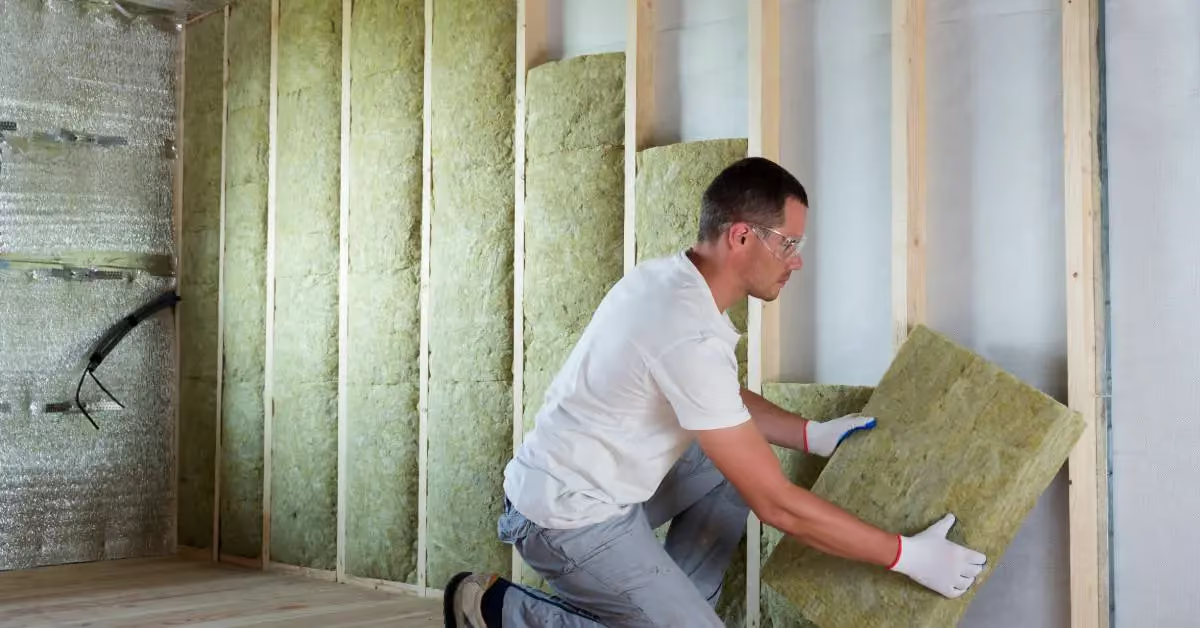
Protective equipment is essential when working with insulation.
At a minimum, you should use:
- Gloves to protect your hands
- Safety goggles to shield your eyes
- A mask or respirator to prevent inhaling particles
- Long sleeves and pants to protect your skin
Skipping this step can lead to irritation or long-term health issues.
Prepare Your Work Area
A clean and organized workspace helps prevent accidents.
Before starting:
- Remove clutter from the area
- Make sure surfaces are dry and stable
- Check for nails, sharp edges, or obstacles
If you are working in an attic or crawlspace, take extra time to make sure the area is safe to move around in.
Make Sure the Area Is Well Ventilated
Ventilation is critical, especially when working with spray foam or dusty materials.
Poor airflow can lead to breathing problems and exposure to harmful fumes.
To improve ventilation:
- Open windows and doors
- Use fans to move air through the space
- Take breaks to get fresh air
Good airflow protects your lungs and makes the job safer overall.
Reduce Exposure to Dust and Fibers
Insulation materials can release fine particles into the air.
To limit exposure:
- Cut insulation in a well-ventilated area
- Use plastic sheeting or drop cloths
- Clean up dust and debris right away
Keeping particles under control helps protect both your health and your home.
Handle Materials Carefully
Proper handling improves both safety and performance.
- Do not compress fiberglass insulation
- Cut materials cleanly with the right tools
- Make sure insulation fits snugly without gaps
Taking your time here helps your insulation work the way it should.
Watch for Electrical Hazards
Working near electrical wiring can be dangerous.
Before installing insulation:
- Turn off power to the area
- Avoid covering fixtures that are not rated for insulation contact
- Be cautious around exposed wiring
If you are unsure, it is best to consult a professional before continuing.
Avoid Common Installation Mistakes
Small mistakes can lead to big problems later.
Watch out for:
- Missing vapor barriers
- Gaps or uneven coverage
- Compressed insulation
These issues can reduce energy efficiency and lead to moisture problems.
Removing Old Insulation Safely
Old insulation may contain mold, debris, or hazardous materials.
When removing it:
- Always wear protective gear
- Use sealed bags for disposal
- Follow local disposal guidelines
Proper removal protects your home and prevents contamination.
Check for Mold or Other Hazards
Before installing new insulation, inspect the area carefully.
Look for:
- Dark spots or discoloration
- Musty odors
- Signs of moisture or water damage
If you suspect mold or asbestos, stop immediately and contact a professional.
Keep Children and Pets Away
Insulation work areas are not safe for children or pets.
To prevent accidents:
- Block off the workspace
- Use barriers or closed doors
- Let others in your home know the area is off-limits
This keeps everyone safe while work is in progress.
When to Call a Professional
Some insulation projects are best left to professionals.
You should consider expert help if:
- The project involves spray foam
- You suspect mold or asbestos
- The area is hard to access
- You are unsure about ventilation or wiring
At A-RITE Exteriors, we approach insulation as part of your home’s full protection system, helping improve comfort while reducing risks.
Protect Your Home the Right Way
Insulation plays a big role in your home’s comfort and efficiency, but safety should always come first.
Taking the time to prepare, protect yourself, and avoid common mistakes will help you get better results and avoid costly problems.
If you are unsure about any part of the process, getting professional guidance is always a smart move.
A-RITE Exteriors. The Best Defense for Your Nest.