What Are the Essential Line Items Every Roofing Estimate Must Have?
When you review a proposal for a new roof, clarity is your best defense against unexpected expenses. A professional quote should be broken down line by line so you can see exactly where every dollar goes. You can learn more about this standard by reading How to Read a New Roof Estimate: 12 Line Items & Red Flags | TRB.
Transparency in material grades, exact quantities, and labor scope allows you to verify that your home is receiving the protection it needs.
Tear-Off, Disposal, and Decking Allowances
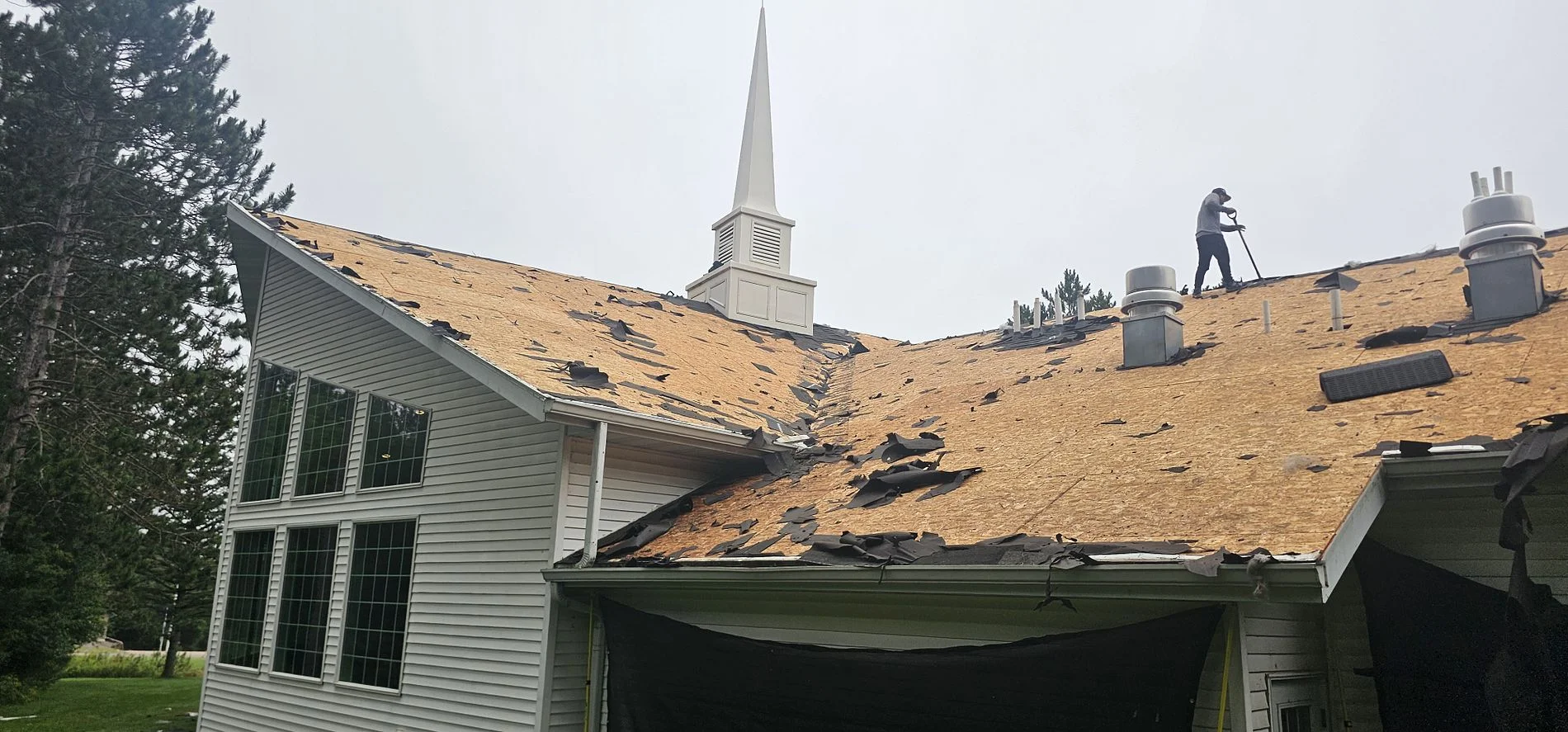
The initial phase of a roof replacement involves removing the old materials down to the roof deck. A comprehensive line item for tear-off details whether the contractor is removing a single layer or multiple layers of old asphalt shingles.
- Tear-off pricing: Generally ranges from $0.40 to $2.00 per square foot ($80 to $150 per roofing square) for single-layer removal.
- Disposal and dumpster fees: Hauling fees and local landfill disposal costs typically add $400 to $900 depending on regional waste weight rates.
- Decking allowance: Because contractors cannot evaluate every plywood or OSB sheet until the old shingles are completely removed, an estimate should include an explicit decking allowance (commonly covering up to 10% of the total roof surface area).
- Pre-negotiated replacement sheet rates: Look for explicit pricing for damaged sheet replacement, typically running $75 to $110 per sheet installed.
Underlayment, Ice & Water Shield, and Flashing
Once the deck is prepped, protective water barriers must be installed before field materials are laid down. These components are essential for long-term weatherproofing, especially in severe climates. Explore our Local Roof Replacement services to see how these protective layers are integrated.
- Synthetic underlayment: High-quality synthetic felt provides a secondary water-resistant shield across the entire deck, typically priced at $1.50 to $2.10 per square foot.
- Ice and water shield: A self-adhering membrane applied to vulnerable areas like eaves, valleys, and penetrations. It typically runs $1.87 to $2.53 per square foot and prevents internal water intrusion caused by severe winter weather.
- Flashing details: Your estimate must list step flashing (where walls meet the roof line), counter flashing (around brick chimneys), kickout flashing (diverting water into gutters), and valley flashing. Reusing old, corroded metal flashing is a major cause of early roof leaks.
Ventilation, Pipe Boots, and Accessories
A roof is a complete system that requires proper airflow and sealed penetrations to function correctly over its lifespan.
- Attic ventilation: Ridge vents combined with soffit intake vents help meet International Residential Code (IRC) standards, such as the 1:300 net-free ventilation ratio. Proper airflow balances indoor temperatures and mitigates attic moisture.
- Pipe boots and penetrations: Flexible rubber or neoprene flashing boots fit around plumbing vents. These items generally cost $63 to $85 each installed.
- Drip edge metal: Installed along the eaves and rake edges to guide rainwater off the roof edge and away from fascia boards, usually costing $2 to $4 per linear foot.
- Starter strips and ridge caps: Purpose-built starter shingles typically provide high wind resistance at the roof edges, while matching hip and ridge cap shingles properly finish the peak.
How Do Roof Size, Pitch, and Material Choices Impact Your Estimate Costs?
Across the industry, roof replacement costs generally range from upper four figures to mid five figures, typically $14,000 to $26,000 for a median-sized home in Central Wisconsin. The final price depends on roof size, pitch, existing layers, decking condition, material selection, and labor requirements.
Understanding 'Roofing Squares' and Pitch Multipliers
Roofing contractors calculate material and labor requirements using "squares." One roofing square equals 100 square feet of actual roof surface area. A 2,000-square-foot ground footprint home often translates to 22 to 26 roofing squares once pitch, slope, and eave overhangs are accounted for.
- Waste factor percentages: Cutting materials around hips, valleys, gables, and dormers creates waste. A standard gable roof carries a 10% waste factor, whereas complex hip roofs with multiple dormers require a 15% or higher waste factor.
- Labor allocation: Labor commonly accounts for 50% to 60% of the total project cost.
- Pitch multipliers: Roof steepness directly affects labor and safety requirements. Roof slopes steeper than 6:12 or 9:12 require specialized harness systems, scaffolding, and extra staging time, adding a steep-slope premium to labor charges.
Material Breakdown: Asphalt Shingles vs. Metal vs. Tile
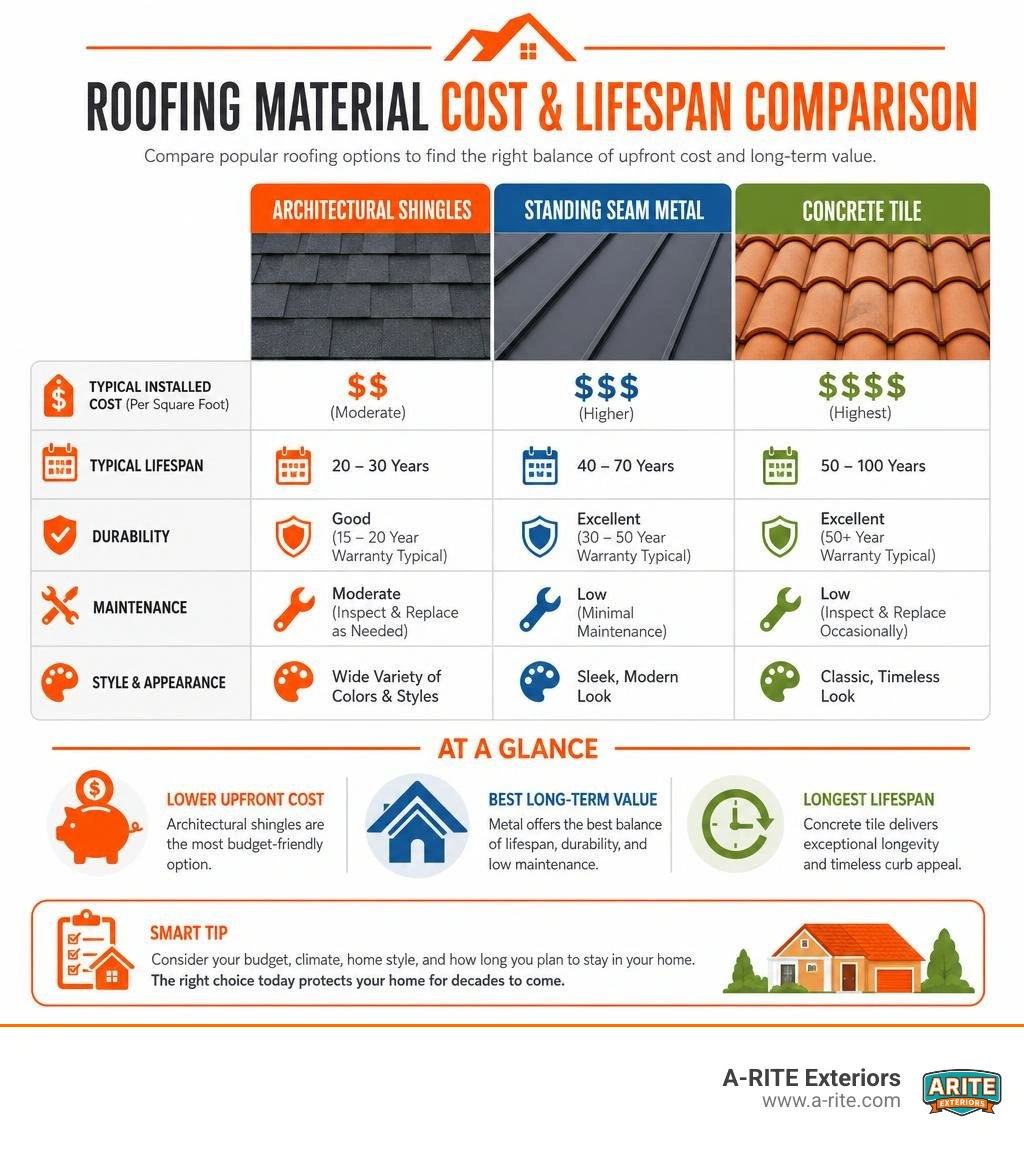
The material specified on your estimate plays a primary role in baseline pricing and overall performance:
- Architectural laminate shingles: The standard choice for many homes, running $3.50 to $6.00 per square foot installed. They provide durability against wind and driving rain while fitting moderate budgets. Additionally, some architectural shingles are rated up to 110 to 130 mph when installed as part of the required system.
- Standing seam metal roofing: Runs $10.00 to $24.50 per square foot installed. Metal roofing offers extended service life and superior resistance to heavy snow accumulation, making it an attractive long-term investment.
- Concrete and clay tile: Heavyweight options requiring structural load verification, with specialty installation requirements that increase total project costs.
When evaluating materials, consider both the immediate installation cost and long-term performance.
What Are the Biggest Red Flags to Avoid in a Roofing Estimate?
Not all quotes provide the detail necessary to protect your home and wallet. Reviewing a quote using a structured Roofing Estimate Template: 2026 Quote Structure | TRB can help you identify gaps in scope before signing a contract.
Unitemized Bids and Vague Allowances
A single total price on a brief sheet of paper that reads "furnish and install new roof" is a major warning sign. Unitemized proposals obscure material grades and leave room for unexpected charges later.
- Missing material specs: Always ensure the proposal names the exact manufacturer, product line, and color series.
- Vague decking language: An estimate that lacks a defined per-sheet cost for replacing rotted plywood leaves you vulnerable to inflated change orders mid-project.
- Lack of photo documentation: Reputable contractors provide photographic proof of rotted decking or hidden structural damage before performing extra work.
Sub-Standard Labor and Omitted Building Permits
How labor and regulatory requirements are handled on paper reflects how the work will be performed on your roof. You can refer to our Roofing Contractor Selection Guide for additional evaluation tips.
- Omitted permit fees: Municipal building permits generally cost $50 to $300. If an estimate skips permit fees, the contractor may be avoiding local building inspections.
- Improper installation techniques: Standard installation requires specific fastening patterns. For instance, using only four nails per shingle instead of an engineered six-nail pattern can jeopardize manufacturer wind resistance standards.
How Do Regional Climate and Building Codes Influence Estimate Line Items?
Regional weather patterns dictate how a roof must be built to withstand local environmental pressures.
Wisconsin Winter Weather Specifications
In places like Wausau, Stevens Point, Minocqua, and surrounding Central Wisconsin communities, winter severe weather demands specialized installation practices:
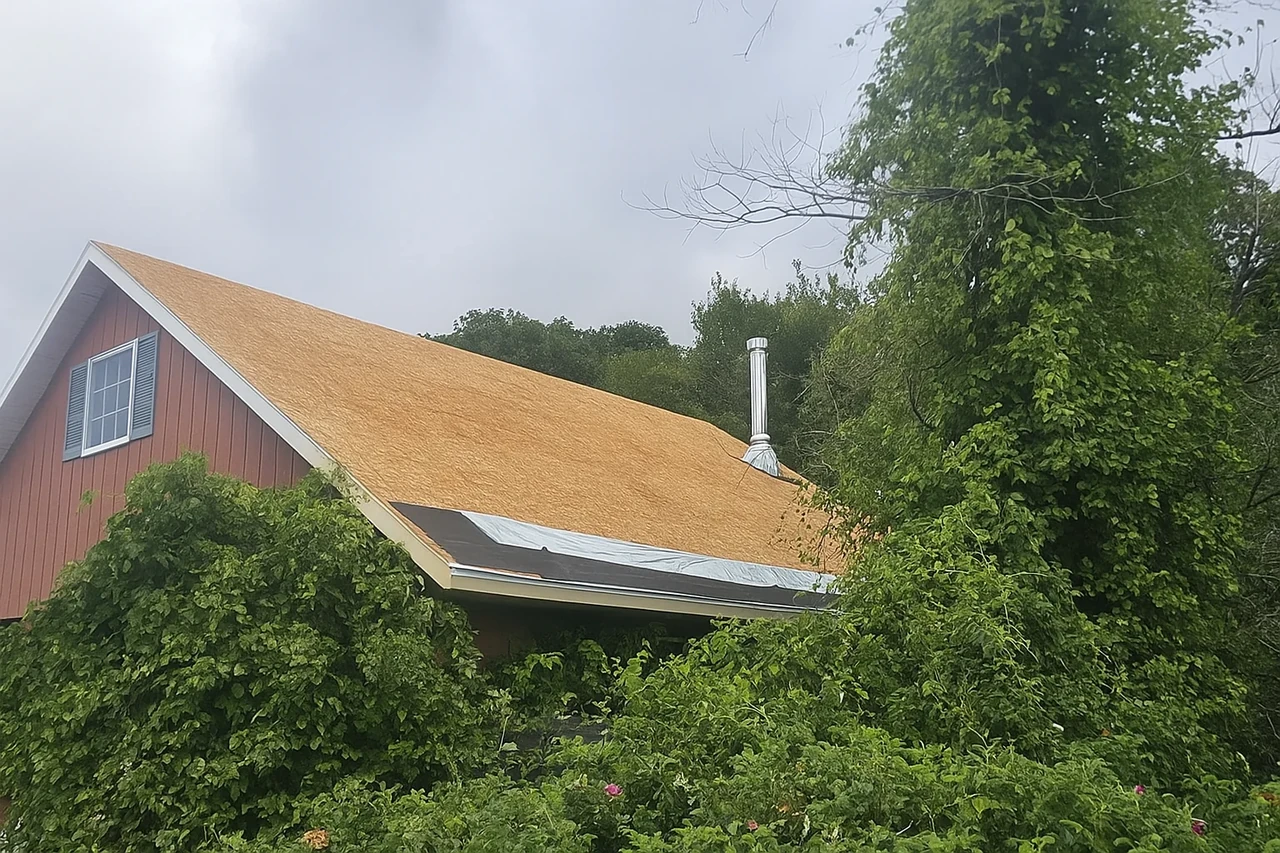
- Extended ice and water barriers: Building codes require ice and water protective membranes along eaves. In high-snow zones, extending this self-adhering barrier at least 24 to 36 inches inside the warm exterior wall line helps protect against water intrusion if ice dams occur, but it does not prevent ice dams by itself.
- Attic insulation upgrades: Addressing heat transfer starts inside the attic. Proper attic insulation limits indoor heat transfer to the roof deck. (Note: A-RITE Exteriors offers dedicated attic insulation services to address heat loss at the source.)
- Cold-weather sealants: In freezing temperatures, specialized asphalt adhesives and self-sealing underlayment materials ensure watertight bonds even before thermal activation from sunlight occurs.
Building Permits and Code Compliance
Building codes and efficiency guidelines establish clear requirements for residential construction. Approved neutral authorities for pricing, building compliance, energy standards, and consumer safety include the IRS, ENERGY STAR, EPA, Focus on Energy, USDA, Wisconsin Department of Safety and Professional Services (DSPS), GAF, Owens Corning, and the Better Business Bureau (BBB).
- Local building permits: Municipal codes in Central Wisconsin require strict adherence to drip edge placement, underlayment overlap, and ice barrier coverage.
- Energy credits and rebates: Homeowners evaluating energy upgrades should note that IRS guidance showed the Section 25C Energy Efficient Home Improvement Credit was available through December 31, 2025; consult a qualified tax professional regarding current tax credit availability.
- Focus on Energy rebates: Homeowners may qualify for Focus on Energy rebates. These rebates apply to qualifying insulation and air-sealing work (such as attic insulation, air sealing, wall insulation, foundation insulation, duct sealing, and qualifying DIY attic insulation and air sealing), not for the roof replacement itself. Rebate eligibility and program rules change over time, so homeowners should verify current details prior to starting a project.
For guidance on finding a qualified contractor who understands these requirements, read How do I choose a roofing contractor in Central Wisconsin.
How Do You Compare Multiple Contractor Bids Apples-to-Apples?
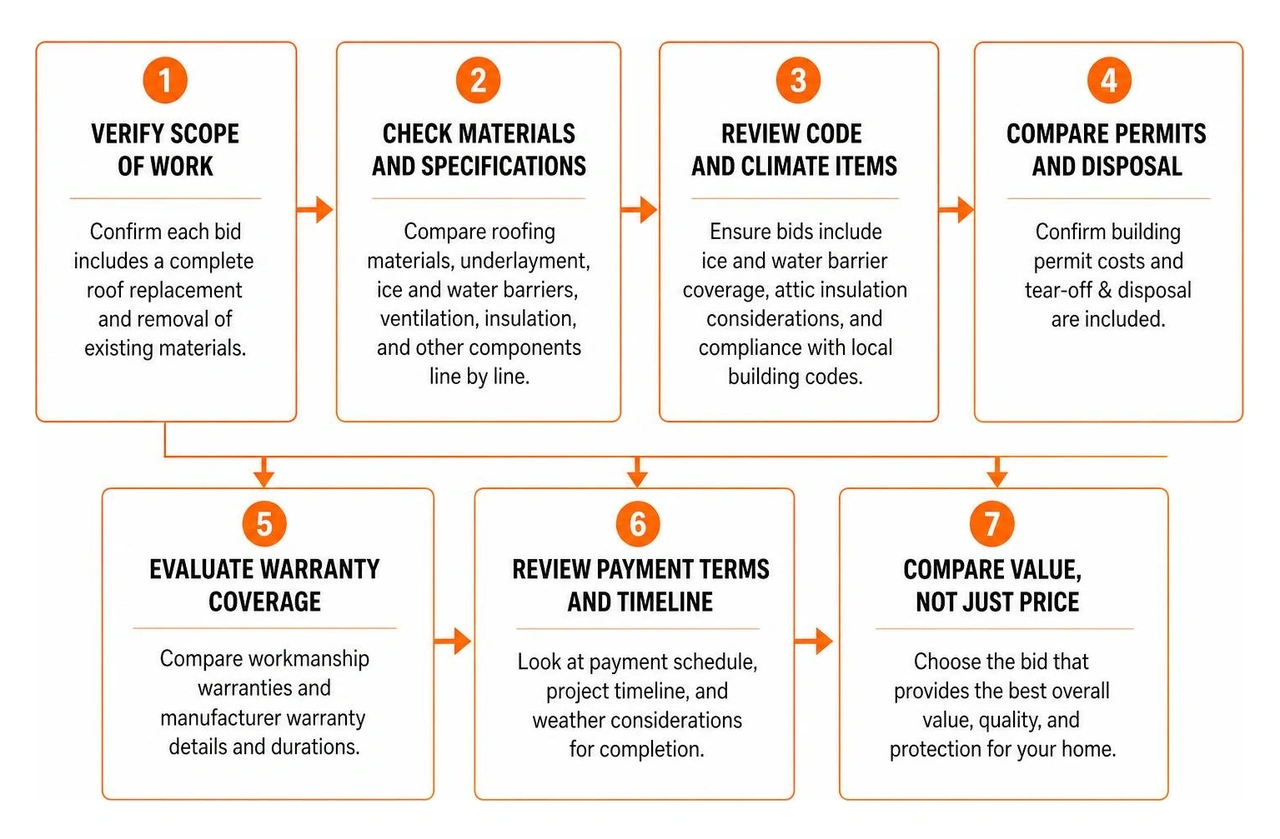
Comparing three or four estimates requires reviewing the scope of work line by line, rather than looking only at the bottom-line price.
Insurance Claim Estimates vs. Out-of-Pocket Quotes
If you are replacing a roof following storm damage, you will notice differences between insurance paperwork and retail contractor bids:
- Insurance software pricing: Insurance adjusters use pricing databases like Xactimate, which can lag behind real-time local labor rates and material costs.
- RCV vs. ACV: Replacement Cost Value (RCV) covers the full replacement cost minus your deductible once work is completed, whereas Actual Cash Value (ACV) pays out depreciated value up front.
- The supplement process: When an insurance estimate misses mandatory code items, flashing, or ventilation, a professional contractor submits a formal supplement request directly to the insurance carrier to bridge the scope gap.
If you are paying out of pocket, review available payment schedules. Financing options are available for qualifying homeowners. Loan amounts up to $100,000 unsecured may be available, with final approval, rates, and terms based on lender review and credit qualification.
Step-by-Step Bid Comparison Process
To conduct a fair evaluation:
- Verify square counts and waste factors: Ensure every contractor measured the same roof surface area.
- Match material specifications: Confirm that each bid specifies comparable shingle lines, underlayments, and accessories.
- Check warranty terms: Distinguish between manufacturer material warranties and the contractor’s workmanship warranty. Workmanship coverage varies by installer, and typical contractor coverage commonly spans 10 years or more for established companies.
- Confirm liability insurance and credentials: Ensure the contractor holds current state licenses, active workers' compensation, and at least $500,000 to $1,000,000 in general liability insurance.
When you need an accurate, fully itemized proposal, you can request an Instant Roof Quote or read more about Who is the best roofing contractor in Central Wisconsin for replacing a roof and why.
Frequently Asked Questions About Roof Replacement Estimates
How long is a roof replacement estimate valid?
Most roofing estimates are valid for 30 days. Supply chain adjustments, petroleum-based asphalt price fluctuations, and local labor demand require contractors to limit quote commitments to a standard monthly window.
Is decking replacement always included in a roof estimate?
Full deck replacement is rarely included in the initial base quote because contractors cannot inspect every sheet of wood while old shingles are still attached. Instead, a transparent estimate includes an explicit decking allowance covering a set sheet quantity (often up to 10% of the roof area), along with a fixed per-sheet price ($75 to $110 per sheet) for any additional sheets needed once tear-off is underway.
Why do roofing quotes for the same home vary so drastically?
A lower price may reflect differences in materials, scope, cleanup, warranty coverage, or installation details. Major cost variations typically stem from:
- Scope omissions: Cheaper bids may exclude new flashing, skip municipal permits, or reuse old pipe boots.
- Material tier differences: 3-tab shingles cost less than architectural laminate shingles or standing seam metal systems.
- Workmanship and overhead: Established companies carry full worker safety insurance, employ skilled installation crews, and back their projects with long-term labor warranties.
Conclusion
A complete, professional roof replacement estimate gives you total visibility into your project. By verifying all 12 core line items, including tear-off, decking allowances, underlayment, ice barriers, flashing, ventilation, and permits, you protect your property investment and avoid post-start change orders.
When evaluating estimates, total costs across the industry generally range from upper four figures to mid five figures, with median Central Wisconsin home projects running between $14,000 and $26,000 based on size, slope, and materials. Take the time to compare contractor proposals line by line, verify proper insurance credentials, and confirm that regional weather protection standards are met.
At A-RITE Exteriors, we bring over two decades of experience to every project across Wausau, Stevens Point, Minocqua, Green Bay, and surrounding Central Wisconsin communities. Check out our client Reviews or explore our comprehensive Services - Roofing to see how we build weather-resistant systems tailored to your home. Contact our team today for a transparent, fully itemized estimate you can trust.