How Much Does a Roof Replacement Cost in Central Wisconsin?
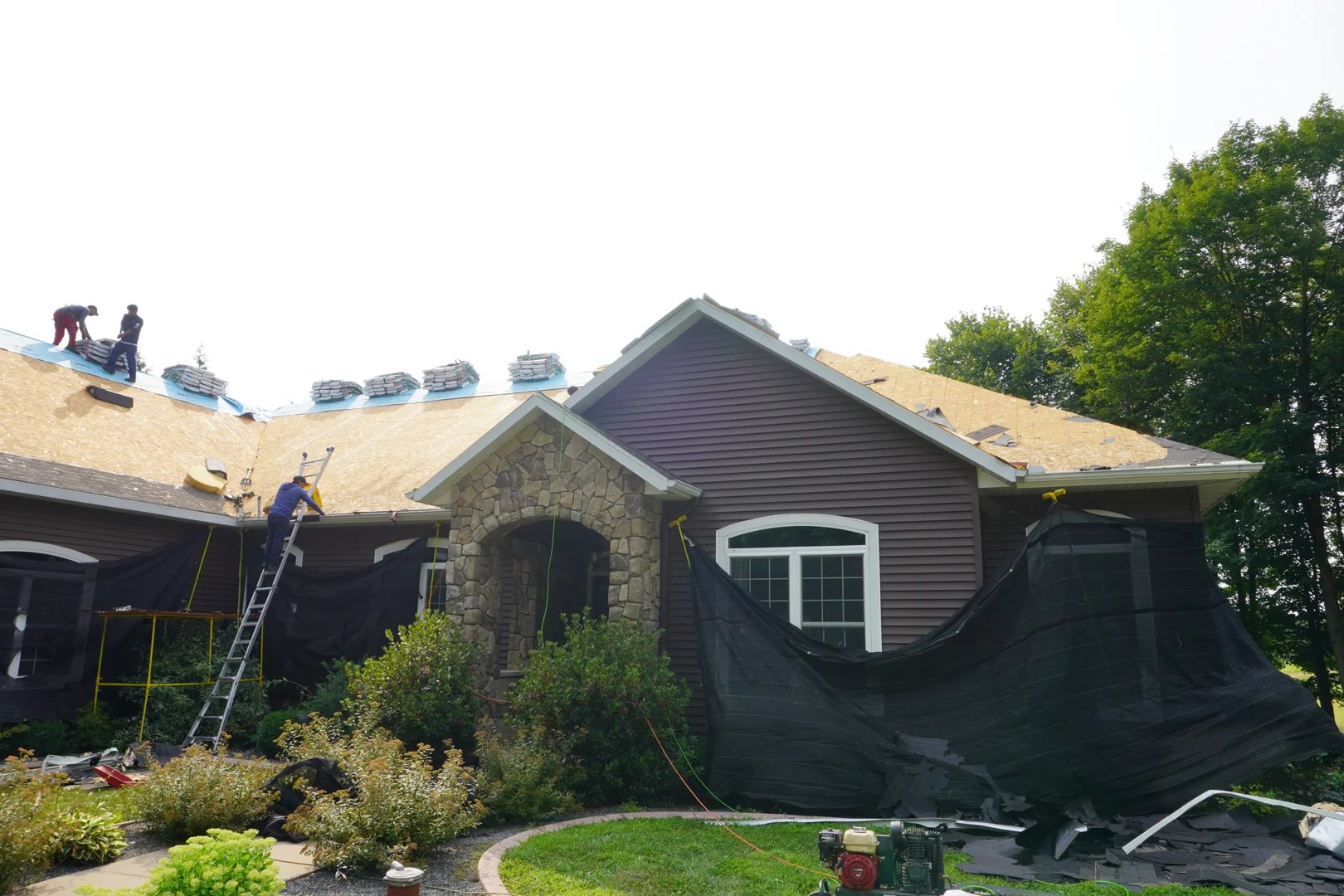
Across Central and North Central Wisconsin, typical residential roof replacement costs range from the upper four figures to the mid five figures, depending directly on roof size, pitch, existing layers, decking condition, materials, and labor requirements. For a standard 2,000 to 2,500 square foot home installing standard architectural asphalt shingles, homeowners in the Wausau area typically invest between $9,800 and $18,100 ($389 to $718 per roofing square).
When we look at broader regional data across Wisconsin, pricing varies moderately based on local labor pools, logistics, and building code enforcement. Statewide, the median cost for a residential roof replacement sits around $16,041. Local markets like Wausau trend approximately 18% below the national median of $17,100 across 935 analyzed cities, offering homeowners solid overall value for exterior remodeling projects.
A standard replacement scope in our region covers more than simply nailing down new shingles. A complete, code-compliant project includes:
- Stripping the existing roofing layer down to the bare wooden substrate
- Inspecting structural decking for rot, moisture, or sagging
- Installing self-adhering ice-and-water barrier along eaves, valleys, and critical flashing zones
- Applying synthetic underlayment over the field of the roof
- Installing drip edge metal, ridge cap shingles, and proper flashing at chimneys and walls
- Evaluating intake and exhaust attic ventilation
- Magnetic grounds sweeping, comprehensive debris cleanup, and haul-away
Baseline Cost Differences Across Wisconsin Cities
While materials remain relatively consistent in cost across county lines, regional labor rates and local housing characteristics shift baseline numbers across Wisconsin communities.
- Wausau / Weston / Schofield / Rib Mountain: Typical baseline ranges run $9,800 to $18,100 ($389–$718/sq) for standard architectural shingles.
- Stevens Point / Plover / Whiting: Baseline ranges generally align with Wausau, averaging $10,000 to $18,500.
- Green Bay: Represents one of the most competitive metro benchmarks with a median project cost of approximately $15,772.
- Madison / Fitchburg: Higher local labor billing rates push baseline project ranges to $10,400–$19,300 ($413–$766/sq), with a median replacement cost reaching $16,310.
When reviewing multiple contractor estimates, a lower price may reflect differences in materials, scope, cleanup, warranty coverage, or installation details.
What Main Factors Make the Price of a Roof Replacement Go Up or Down?
No two roofs in Marathon, Portage, or Lincoln counties are completely identical. While square footage sets the baseline footprint, specific physical characteristics and structural conditions dictate the final bid. Homeowners can review what is included in a roof replacement estimate to understand how standard baseline line items differ from custom project add-ons.
Roof Pitch and Architectural Complexity
Roof pitch, the measure of vertical rise over a 12-inch horizontal run, directly impacts installation safety and crew velocity. A walkable low-pitch roof (4:12 to 6:12) allows installers to move freely without extensive rigging.
Once a roof reaches a steep pitch of 7:12 or higher, crews must employ safety harnesses, roof jacks, toe boards, and specialized staging. In our local market, a steep roof pitch commonly adds $1,534 to $2,650 to project labor. Architectural features like multiple dormers, deep intersecting valleys, hip ridges, and skylights require custom metal flashing and precise cutting, further adding to labor time.
Multiple Layers and Tear-Off Requirements
Wisconsin building codes generally allow a maximum of two layers of asphalt shingles on a roof structure, but placing new shingles over old ones is rarely recommended in cold climates. Trapped moisture accelerates rot, and double layers prevent proper sealing.
When a home already has two layers of shingles that must be stripped down to the sheathing, labor hours and landfill weight charges double. Removing an existing second layer typically adds $882 to $2,896 to the total project cost in Central Wisconsin.
Roof Deck and Sheathing Replacement
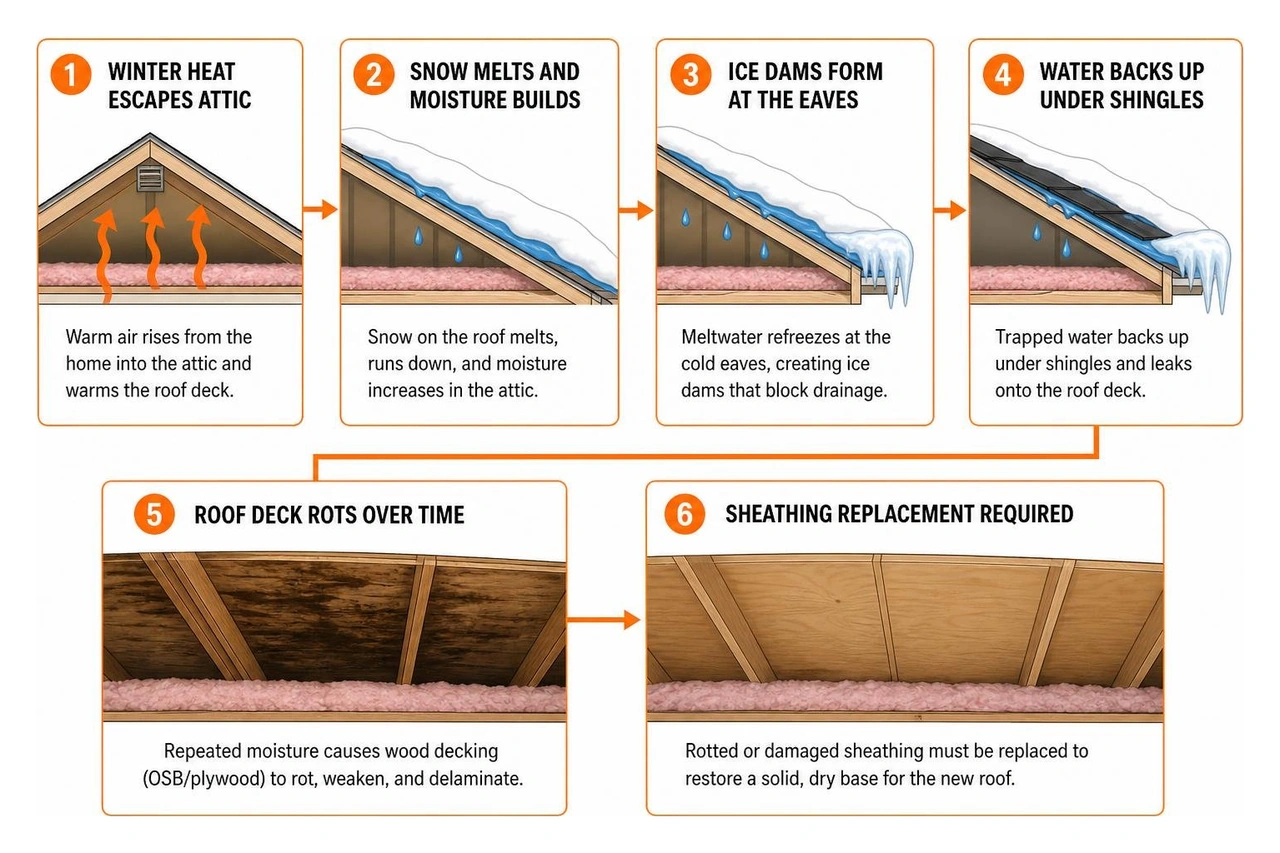
The wooden deck beneath your shingles must provide a solid, dry nailing base. Decking issues cannot be fully diagnosed until the old roofing is stripped away. Moisture from persistent ice dams, inadequate attic ventilation, or condensation can rot the wood decking over time. Left unaddressed, repairing structural roof deck damage can cost thousands of dollars, and severe cases can cost much more.
Replacing rotted or delaminated 4x8 plywood or OSB sheets is the most common unforeseen change order during a roof tear-off. In the Wausau and Stevens Point markets, sheathing replacement typically adds $588 to $2,172, depending on how many sheets need replacement (averaging $75 to $110 per installed sheet, including materials, fasteners, and labor).
Home Height and Site Accessibility
A sprawling single-story ranch with open driveway access is straightforward to stage: tear-off debris drops directly into a trailer or dumpster, and shingle bundles can be loaded onto the deck with a crane or conveyor.
Multi-story homes, steep grade drops around foundations, tight lot lines in older neighborhoods, and delicate landscaping increase the labor burden. Two-story access commonly adds $837 to $1,395 in labor and equipment for material handling, safety staging, and perimeter ground protection.
Building Permits and Municipal Inspection Fees
Most municipalities in Central Wisconsin (including Wausau, Stevens Point, Marshfield, and Green Bay) require a building permit and final inspection for a full roof replacement. Permit fees set by municipal building inspection departments typically land in the $180 to $570 range, depending on project valuation.
Skipping a permit exposes homeowners to substantial risks, including stop-work orders, municipal fines, insurance claim denials if unpermitted work contributes to water damage, and closing delays during home sales. Homeowners can review local standards via Roofing in Wausau, WI | Costs & Local Code.
How Do Central Wisconsin Climate and Building Codes Affect Roofing Specifications?
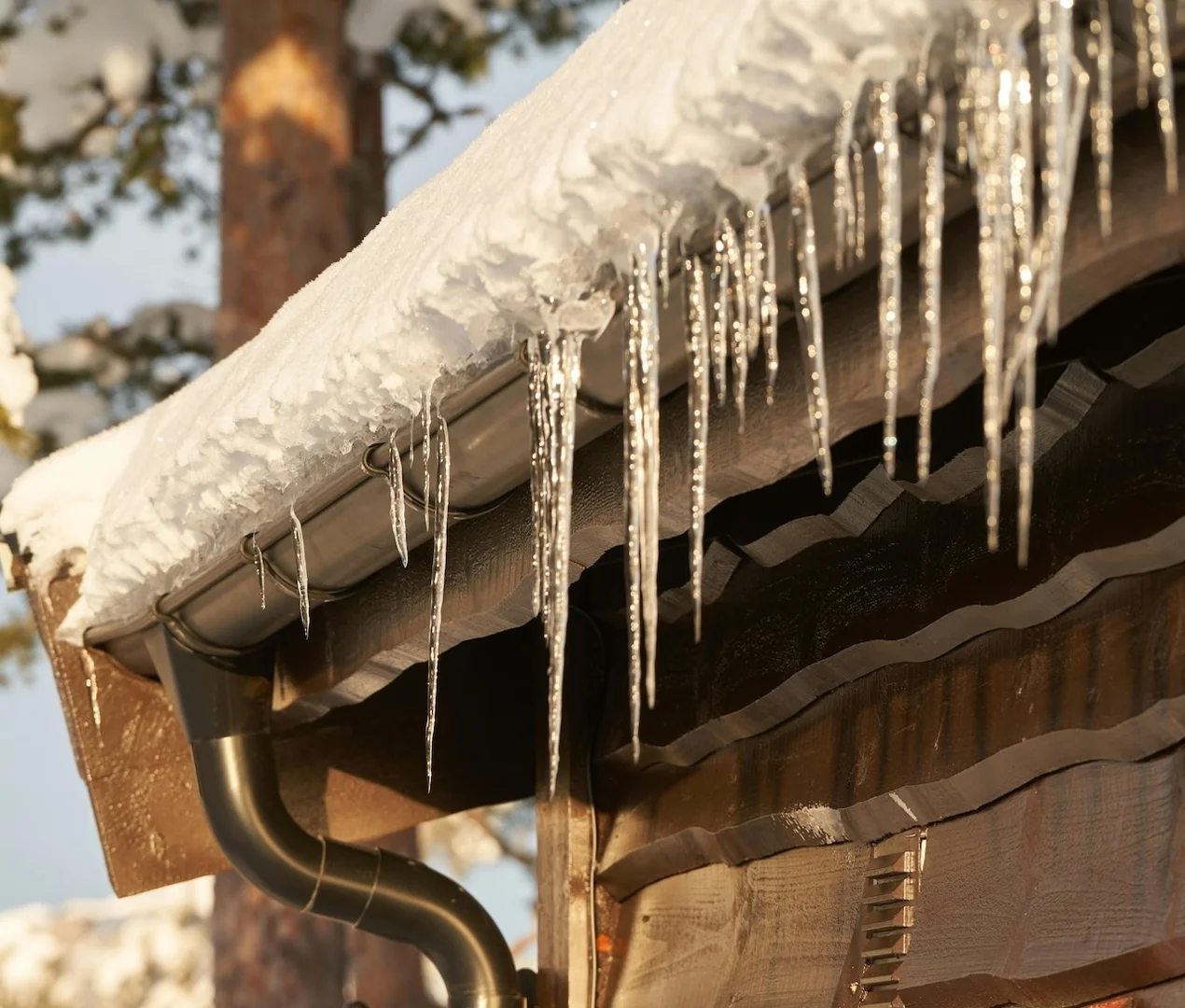
Central Wisconsin experiences severe winter weather patterns, averaging 60 inches of annual snowfall and 164 days with temperatures dropping below freezing. This frequent cycling between freezing and thawing puts local homes in the 98th percentile nationally for freeze-thaw stress.
Selecting what is the best roofing system for Wisconsin weather means installing components engineered specifically to handle heavy snow loads, cyclic expansion, and sub-zero wind chills.
Because recurring ice dams stem from indoor heat migrating into cold attic cavities, roof durability is directly tied to the attic below it. We provide professional attic insulation services to help keep roof deck temperatures more uniform and reduce the likelihood of snow prematurely melting and refreezing at the eaves.
Ice-and-Water Membrane Code Requirements and Enhancements
Wisconsin Uniform Dwelling Code (UDC) requires a self-adhering polymer-modified bitumen membrane along all eaves in regions subject to heavy snowfall. The code mandates that the membrane extend from the lowest eave edge to a point at least 24 inches inside the interior exterior wall line of the building.
Because homes with wide soffits and shallow roof pitches experience higher ice dam build-up, standard code minimum coverage is not always adequate. Upgrading to an extended ice-and-water barrier (adding extra courses up the roof slope) typically costs $294 to $1,086. This provides vital protection along valleys, roof transitions, and around penetrations like soil stacks and chimneys.
Local Labor Rates and Installation Standards
Roofing labor rates in Wisconsin reflect regional cost-of-living adjustments and demanding seasonal work conditions. The mean hourly wage for roofers across the state sits around $26.40, translating to a fully loaded contractor billing rate of roughly $63 per hour (incorporating mandatory worker's compensation, liability insurance, staging equipment, and company overhead). Broader regional rate trends can be explored via Roof Replacement Cost in Wisconsin - City-by-City Comparison | HomeCostCalc.
Cold-weather installation introduces unique labor practices. Standard asphalt shingles feature a thermal sealant strip that bonds when exposed to direct sunlight and ambient temperatures above 40°F to 45°F. During late fall or winter projects, shingles will not seal naturally. Installers must manually hand-seal tabs using specialized asphalt roofing cement, adding labor steps to protect against blow-offs until spring warmth fully activates the adhesive.
How Do Different Roofing Materials Compare in Cost and Lifespan?
Choosing the right material involves balancing initial installation expenses against long-term maintenance, lifecycle durability, and energy efficiency.
| Roofing Material Tier | Installed Cost per Square (100 sq ft) | Total Cost (2,000–2,500 sq ft Home) | Typical Expected Lifespan | Central Wisconsin Climate Suitability |
|---|---|---|---|---|
| Standard 3-Tab Asphalt | $320 – $480 | $8,000 – $12,500 | 15 – 20 Years | Basic; lower wind and hail resistance |
| Architectural Asphalt | $389 – $766 | $9,800 – $19,300 | 25 – 30 Years | Excellent; standard balance of value and durability |
| Class 4 Impact-Resistant | $460 – $890 | $11,600 – $22,400 | 30 – 40 Years | Outstanding; handles heavy hail and severe storms |
| Standing Seam Metal | $750 – $1,600 | $18,500 – $42,500 | 50+ Years | Exceptional; sheds heavy snow and eliminates ice dam penetration |
| Synthetic Slate / Composite | $1,000 – $1,900 | $25,000 – $48,000 | 50+ Years | Premium aesthetic; highly durable against freeze-thaw cycles |
Note: Actual product lifespan and wind resistance vary by product, installation, ventilation, maintenance, and weather exposure.
Architectural vs. Class 4 Impact-Resistant Shingles
Architectural laminate shingles remain the standard across Central Wisconsin homes. Constructed with multiple fused fiberglass layers, some architectural shingles are rated up to 110 to 130 mph when installed as part of the required system.
Upgrading to Class 4 impact-resistant shingles adds $1,800 to $4,300 to a typical residential project. These shingles incorporate rubberized polymers (such as SBS) that absorb severe hail impacts without cracking the asphalt mat. Many homeowners find that insurance providers offer premium discounts for Class 4 roofs in storm-prone areas.
Standing Seam Metal Roofing
Standing seam metal roofing represents a durable alternative to asphalt shingles. Featuring concealed fasteners and vertical standing ribs, metal panels allow snow to slide freely, reducing roof load and ice buildup.
While standing seam systems add $7,100 to $24,400 over the cost of standard architectural shingles, their typical service life can exceed 50 years with minimal ongoing maintenance. Additional local pricing insights for high-performance roofing options can be found in Roofing in Fitchburg, WI | Costs & Local Code.
Energy Rebates and Neutral Tax Guidance
When planning energy-efficient exterior improvements, homeowners often ask about rebates and tax credits:
- Focus on Energy Rebates: Homeowners may qualify for Focus on Energy rebates. Focus on Energy rebates are for qualifying insulation and air-sealing work (such as attic insulation, air sealing, wall insulation, foundation insulation, duct sealing, and qualifying DIY attic insulation and air sealing), not for roof replacement itself. Rebate amounts and eligibility rules change over time, and homeowners should confirm current program rules before starting work.
- Federal Tax Credits (Section 25C): For Section 25C (Energy Efficient Home Improvement Credit), IRS guidance showed it was available through December 31, 2025; it should not be presented as active for 2026 or beyond unless confirmed by current IRS guidance. We always recommend consulting a qualified tax professional regarding eligibility for energy credits.
- Approved Neutral Information Sources: Reliable, neutral guidance on energy efficiency, standards, and building safety can be verified through the IRS, ENERGY STAR, EPA, Focus on Energy, USDA, Wisconsin Department of Safety and Professional Services (DSPS), GAF, Owens Corning, and the Better Business Bureau (BBB).
When Is the Ideal Time of Year to Schedule a Roof Replacement in Wisconsin?
Because Central Wisconsin experiences roughly five months of sub-freezing temperatures each year, timing your project impacts both pricing and scheduling flexibility.
- May through September (Optimal Season): Warm weather, long daylight hours, and consistent sunshine allow shingle adhesive strips to seal quickly.
- Late Winter (Best Booking Window): Scheduling your project in February or March locks in your spot on contractor calendars ahead of the spring rush and helps you complete our roof replacement home preparation guide without feeling rushed.
- October through November (Late Season): As nighttime temperatures drop below 40°F, crews must monitor daytime conditions carefully and may need to hand-seal shingle tabs to prevent wind lift before spring.
Frequently Asked Questions About Roof Replacement in Central Wisconsin
What items are typically omitted from a basic roofing estimate?
Standard quotes frequently exclude replacing hidden rotted plywood sheathing (which adds $588–$2,172 if widespread damage is discovered upon tear-off), extending ice-and-water barrier beyond the basic 24-inch code minimum, custom chimney flashing rebuilds, and municipal building permit fees if not explicitly itemized. Always request a fully detailed scope of work.
How much does removing a second layer of shingles cost?
Stripping a second layer of existing shingles adds roughly $882 to $2,896 to the total invoice. This extra cost reflects the manual labor required to scrape down multiple mats, additional job-site cleanup, and heavier disposal weights at local transfer stations.
Does cold weather installation affect manufacturer warranties?
Installing in sub-40°F temperatures does not void manufacturer warranties as long as crew members adhere to cold-weather application requirements. Installers must manually seal shingle tabs with quarter-sized dabs of asphalt roof cement to hold shingles in place until warmer spring weather activates the factory adhesive strips.
How Can Central Wisconsin Homeowners Get an Accurate Roof Replacement Estimate?
A dependable roof replacement protects your biggest investment against Wisconsin winters. To avoid surprises, obtain a comprehensive, in-person estimate based on exact digital roof measurements and a thorough attic ventilation inspection.
Working with a certified GAF Master Elite Contractor ensures that your home receives factory-certified installation practices backed by extended manufacturer warranty coverage. Before hiring any contractor, take the time to review how to choose a trustworthy roofer in Wisconsin and avoid storm chasers to confirm local licensing, general liability insurance, and physical business presence in our area.
Whether you need a full tear-off and roof replacement Stevens Point WI, a new architectural roof in Wausau, or exterior remodeling across Marathon, Portage, Wood, or Oneida counties, our team is here to help.
Get started by trying our free instant roof quote tool, or contact A-RITE Exteriors today to schedule your comprehensive on-site roof inspection. Financing options are available for qualifying homeowners. Loan amounts up to $100,000 unsecured may be available, with final approval, rates, and terms based on lender review and credit qualification.