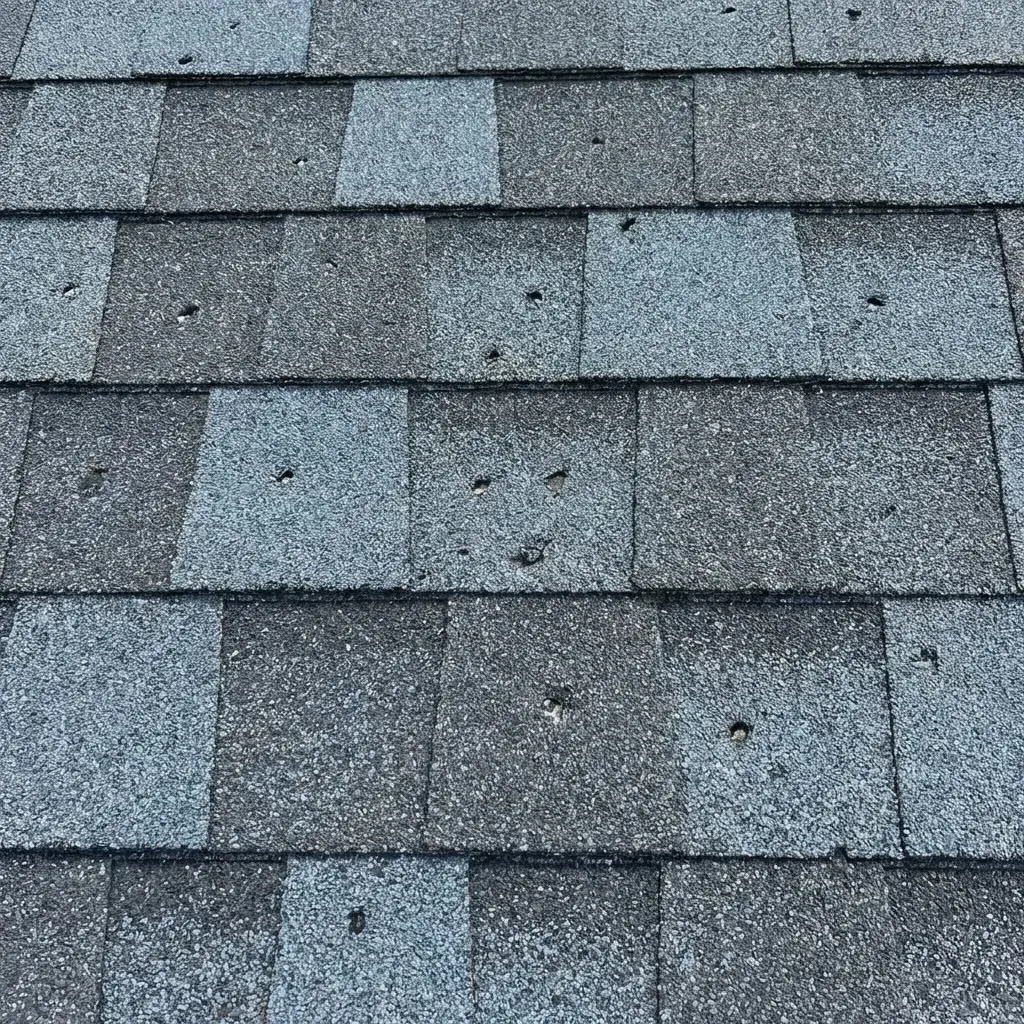
At What Age Should a Roof Be Replaced on Average?
Most asphalt shingle roofs in Wisconsin are replaced somewhere around 20 years old, give or take a few years depending on the shingle and how the roof was built and vented. According to HomeMatchup's 2026 roof replacement statistics, the average roof replaced in the U.S. is just over 19 years old.
A shingle's expected lifespan and how long it actually lasts on your house can be different. Heavy snow, wind, summer heat, and sun all wear on a roof over time.
Many homeowners wonder whether they should replace their roof proactively or wait for visible damage or an active leak. Waiting for a leak inside your home can make the job bigger. By the time water stains show up on your ceiling, moisture has often already worked its way through the shingles, saturated the protective underlayment, and soaked into the wooden roof decking. That moisture can cause structural rot, ruin attic insulation, and lead to mold.
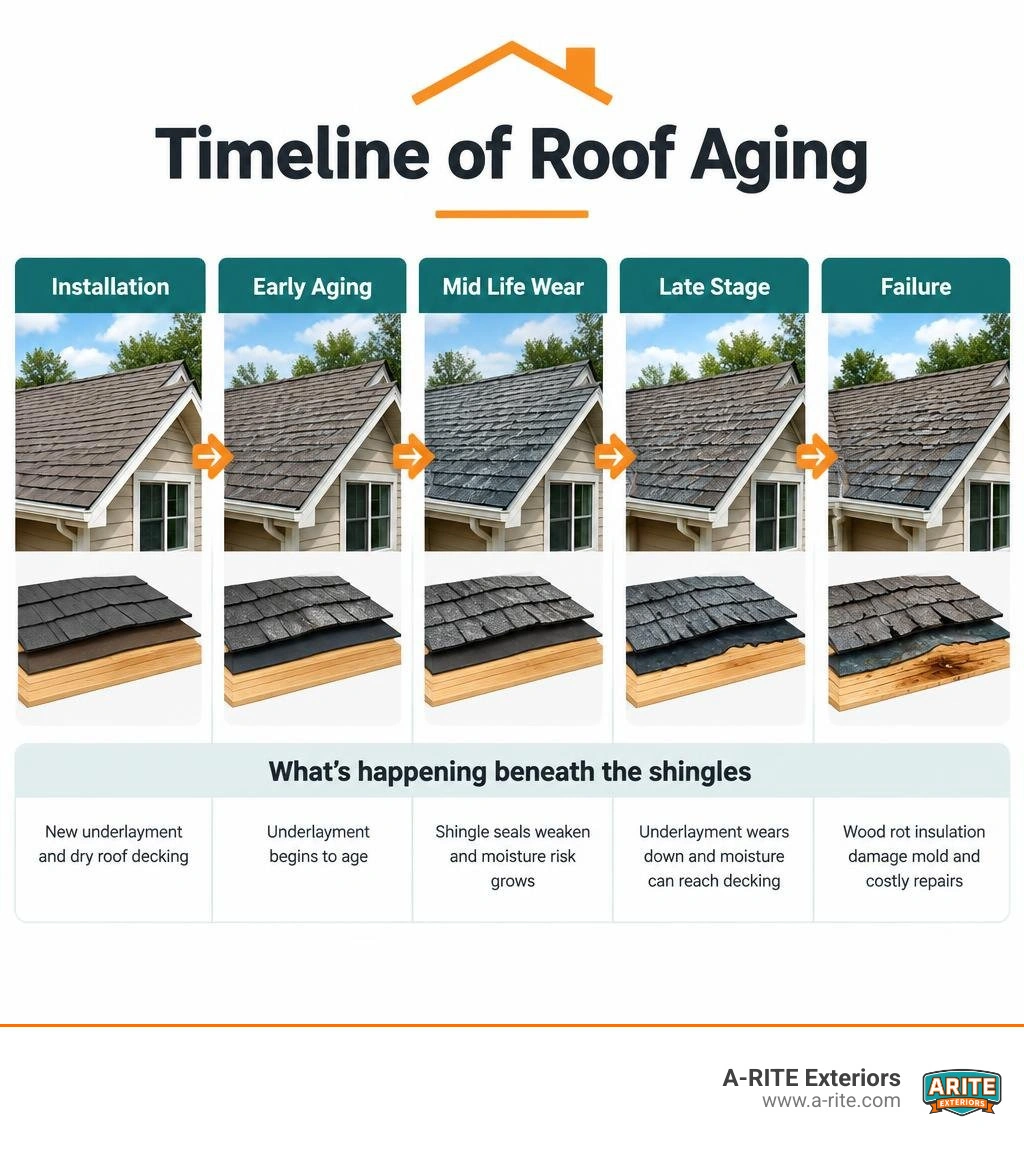
It is common for a 20-year-old asphalt roof to look acceptable from the street while hiding serious underlying issues. Over two decades, asphalt naturally dries out, loses its essential oils, and becomes brittle. Even if the shingle tabs remain flat, the seals between courses often break down, and the organic or synthetic felt underlayment beneath them can degrade. Planning a replacement before problems show up gives you more control over timing and cost.
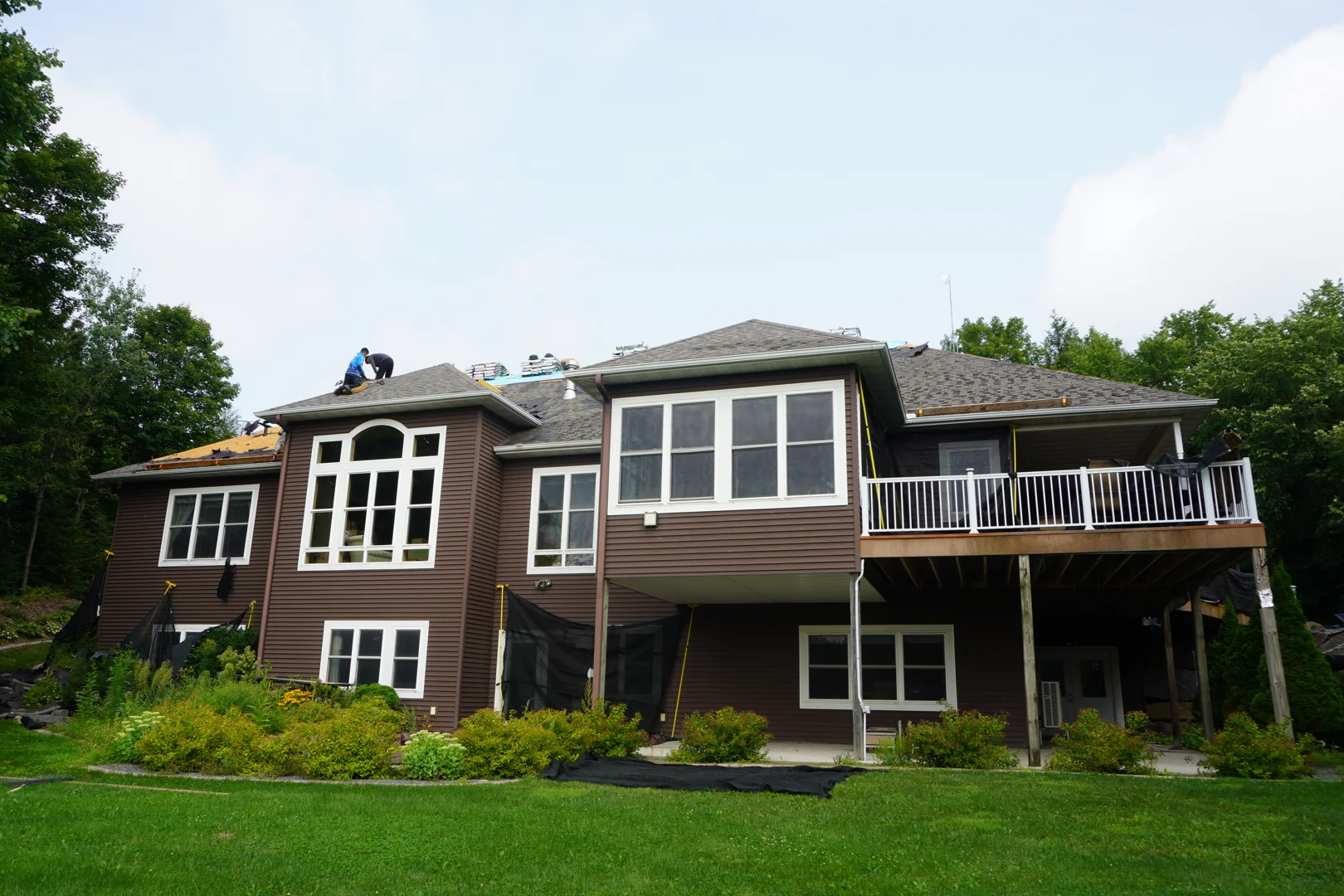
How Long Do Different Roofing Materials Last Before Needing Replacement?
Every roofing material carries its own typical lifespan, maintenance demands, and performance profile. Understanding how long your specific material is designed to last helps you plan your home maintenance budget well in advance.
- 3-Tab Asphalt Shingles: Kin lists a typical lifespan of about 15 to 20 years.
- Architectural Asphalt Shingles: Kin lists a typical lifespan of about 25 to 30 years. Some architectural shingles are rated up to 110 to 130 mph when installed as part of the required system.
- Standing Seam Metal Roofing: HomeMatchup notes that metal roofs generally last longer than asphalt shingles. Metal also sheds snow well, which helps in Wisconsin winters.
The shingle and system you choose can affect how long your next roof lasts. If you are comparing options for your home, take time to review options for the best roofing system for Wisconsin weather to see how heavy-duty shingles and complete weather-barrier systems protect against harsh seasonal extremes.
What Are the Warning Signs That an Aging Roof Needs Replacement?
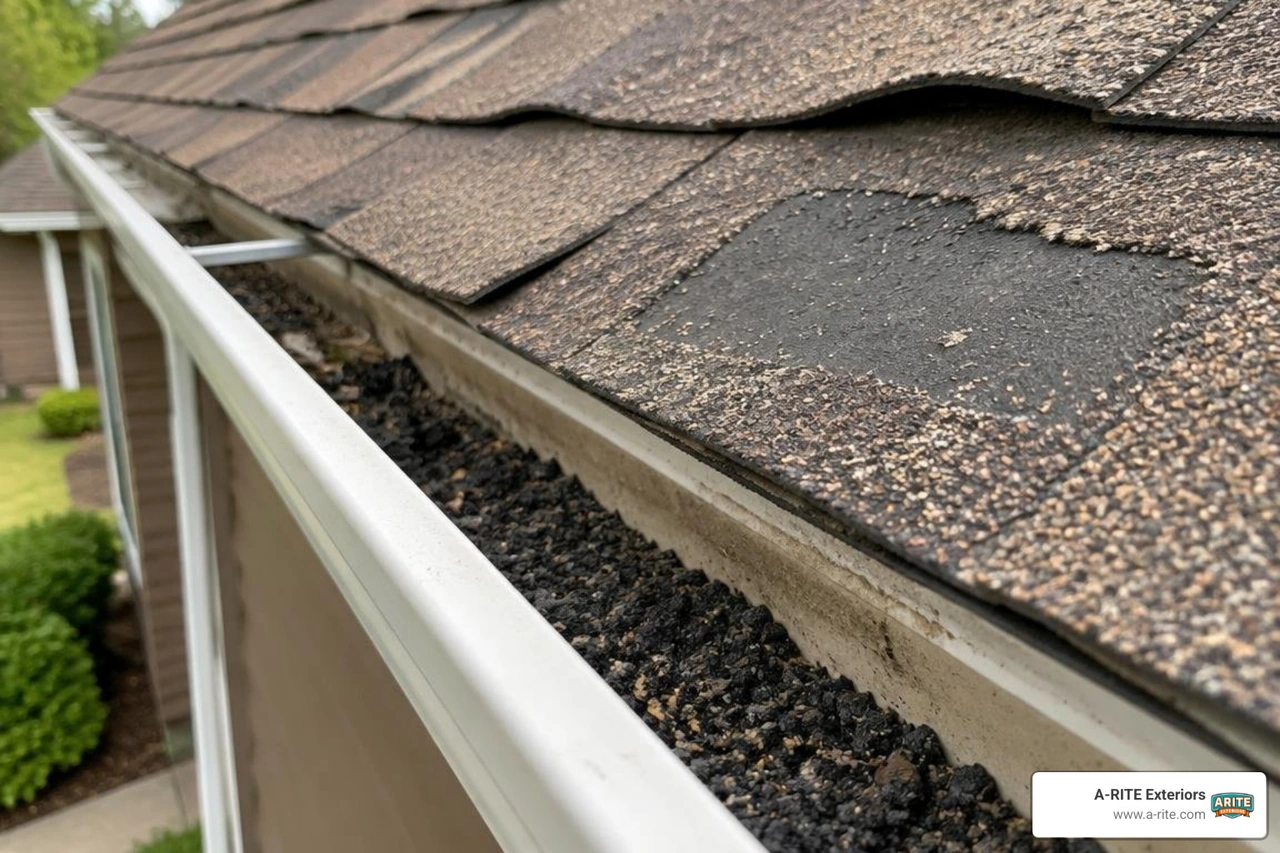
Age is a primary factor in deciding when to install a new roof, but physical wear patterns provide clear evidence that a system is nearing the end of its useful service life.
Surface and Shingle Degradation
- Curling and Cupping: As asphalt shingles dry out, their edges often curl upward or cup in the center. Brittle shingles can snap in high winds or under the weight of winter snow.
- Granule Loss: Protective mineral granules shield the asphalt core from ultraviolet sunlight. When you find heavy accumulations of granules washing down into your gutters or see smooth, dark asphalt patches on your shingles, the shingles can wear out faster.
- Cracked or Missing Tabs: Strong winds can tear off aged, unsealed shingles, exposing the underlayment directly to driving rain and snow.
Structural and Decking Red Flags
- Soft Spots: If a roofer notices soft spots on the roof, moisture may have reached the decking under the shingles. Homeowners should not walk on the roof themselves.
- Visible Sagging: Depressions along the roofline or between rafters point to localized rot or structural fatigue that requires prompt evaluation.
Attic and Interior Warning Signs
A thorough inspection always includes a check inside your attic space. Look for:
- Sunlight shining through the roof boards into the attic.
- Dark water stains, damp rafters, or localized wood rot.
- Saturated attic insulation or musty odors suggesting poor airflow and persistent moisture accumulation.
Learning to identify the subtle signs of hidden roof damage helps you catch structural deterioration early. If your system is approaching two decades of service, our detailed breakdown on deciding whether to replace an 18-year-old roof or wait walks you through the practical trade-offs of planning an orderly project versus risking a mid-winter failure.
How Does Wisconsin Weather Affect When You Should Replace Your Roof?
Climate plays a central role in how fast roofing materials degrade over time.
In northern climates across Wisconsin, the primary stressors are severe freeze-thaw cycles, sub-zero cold, heavy snow accumulations, and destructive ice dams.
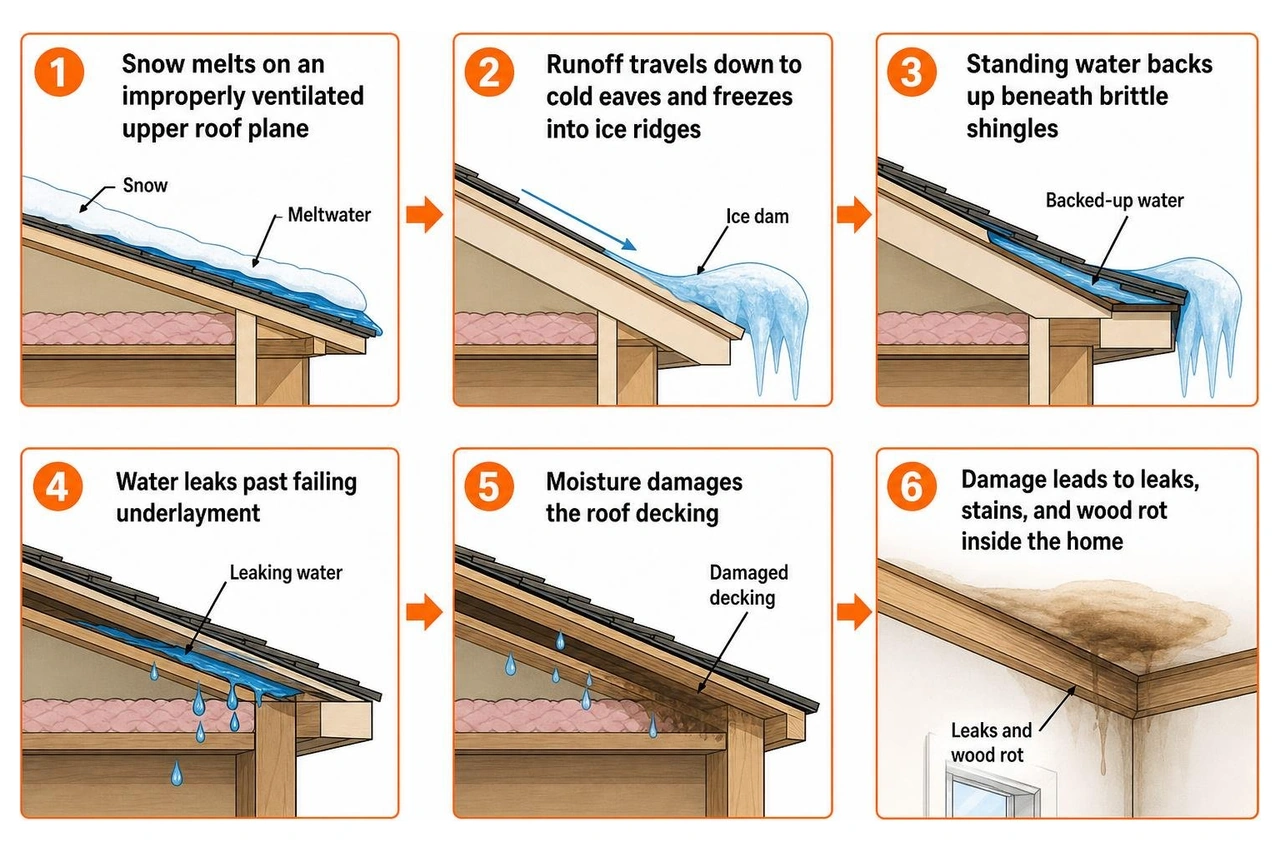
When snow melts on an improperly ventilated upper roof plane, the runoff travels down to cold eaves and freezes into thick ice ridges. That standing water backs up beneath brittle shingles, leaks past failing underlayment, and damages decking.
Good attic ventilation and enough attic insulation help keep the roof deck cold in winter, which can lower the chances of ice dams.
If your roof begins failing late in the year, you do not always have to wait until spring. We explain how winter installation techniques, hand-sealing practices, and temperature management work in our guide on replacing a roof in late fall or winter in Wisconsin.
Should You Repair or Replace an Aging Roof?
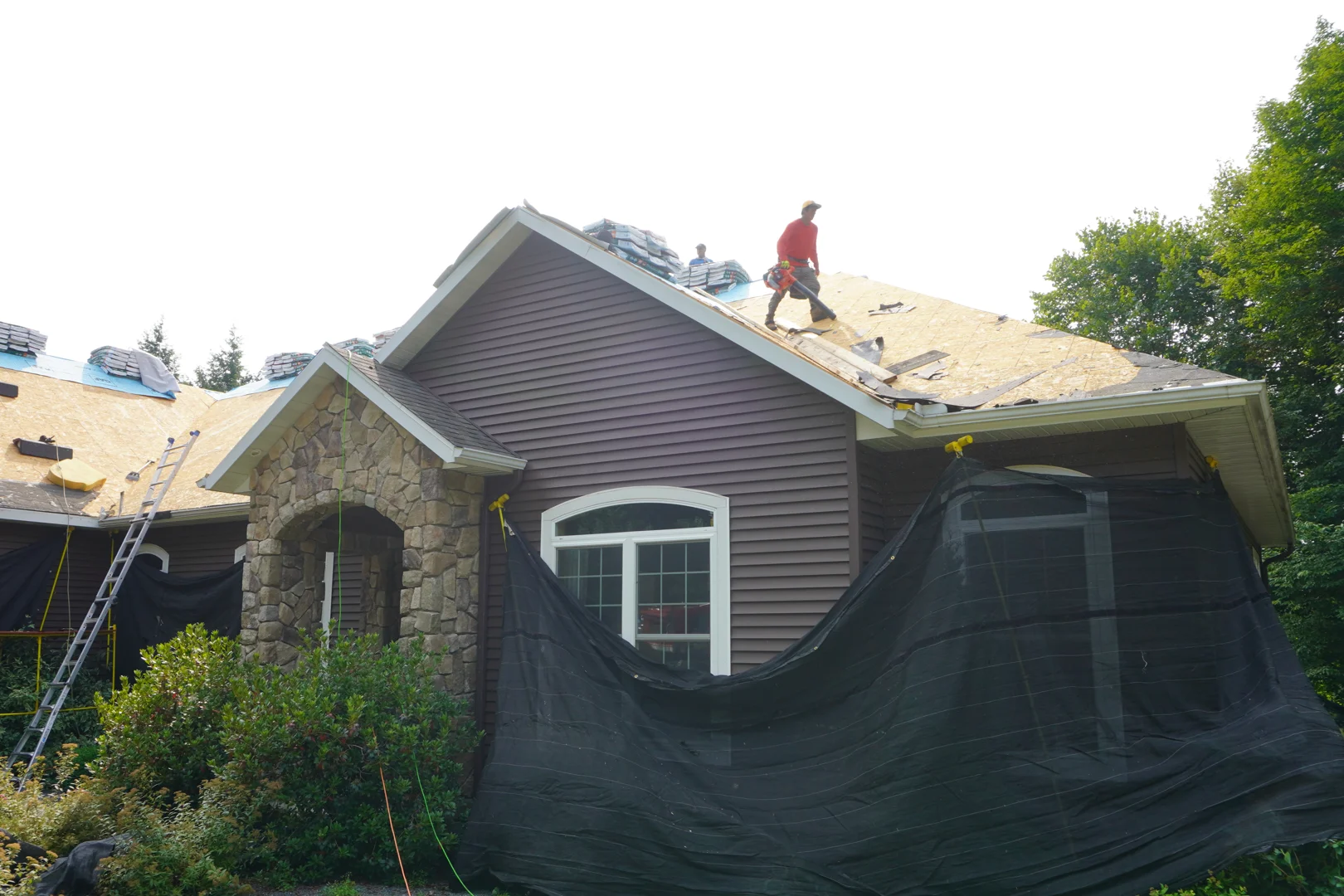
When an older roof shows signs of wear, homeowners often weigh the cost of a temporary repair against a full tear-off and replacement.
On a younger roof, a small repair often makes sense. On a roof near the end of its life, repeated patches can add up, and replacement may be the better use of your money.
To evaluate your home's specific situation, review our guide on determining whether your roof needs to be replaced or just repaired.
Waiting too long can lead to interior water damage, which can cost thousands of dollars, and severe cases can cost much more.
How Can You Find Out the Exact Age and Condition of Your Roof?
If you purchased your home without original construction or remodeling invoices, determining the precise age of your roof takes a little detective work:
- Check Municipal Building Permit Databases: Most local city, village, or town building departments maintain public permit records. Searching your property address will reveal when previous roofing permits were pulled.
- Review Real Estate Disclosures and Inspection Reports: Your home purchase packet often contains seller disclosure forms or a past pre-purchase home inspection report with an estimated installation date.
- Schedule a Professional Roof Inspection: A trained roofing specialist can assess shingle flexibility, granule depth, fastening patterns, and underlayment integrity to estimate remaining service life.
Knowing how often roofs should be inspected helps you address small flashing leaks or missing shingles before they cause structural decay. When you request a professional estimate, knowing what is included in a roof replacement estimate helps you compare quotes line by line.
A-RITE Exteriors is a GAF Master Elite contractor. We pull the building permit on our roof replacement jobs when the town requires one, and we serve homeowners from Stevens Point north to Minocqua along the Highway 51 corridor, including Wausau, Merrill, Tomahawk, and Wisconsin Rapids.
Frequently Asked Questions About Roof Replacement Age
Should I replace a 20-year-old roof if it is not leaking?
It's worth having it looked at even if you have not noticed an active ceiling leak. By 20 years, asphalt shingles have lost much of their original flexibility, protective granules, and adhesive seal strength. Waiting until water leaks into your living room increases the risk of saturated attic insulation, rotted wood decking, and interior drywall damage. Brittle, aged shingles can also be more likely to blow off during high-wind storms.
Can I install a new roof over my old shingles to save money?
While building codes in some jurisdictions allow a second layer of shingles, overlays are rarely recommended. An overlay traps heat between shingle courses, accelerating shingle breakdown. It adds substantial dead weight to your roof rafters and prevents contractors from inspecting the wooden decking underneath for soft spots and rot. A full tear-off lets the crew check the decking before the new roof goes on.
What Are the Next Steps When Your Roof Reaches Replacement Age?
When your roof is getting close to the end of its expected life, planning ahead can help you avoid emergency repairs and interior water damage. Total replacement investments across residential properties commonly range from upper four figures to mid five figures, with final costs depending on total roof square footage, pitch, number of layers removed, decking repairs, material choice, and labor scope.
If your roof is showing its age, our team at A-RITE Exteriors is here to help. We can look at your roof, answer your questions, and give you a free estimate.
Financing options are available for qualifying homeowners. Loan amounts up to $100,000 unsecured may be available, with final approval, rates, and terms based on lender review and credit qualification. A-RITE offers financing through Service Finance. Contact our team today to request a free estimate.