Why Knowing How Often Roofs Should Be Inspected Can Help Reduce the Risk of Secondary Water Damage
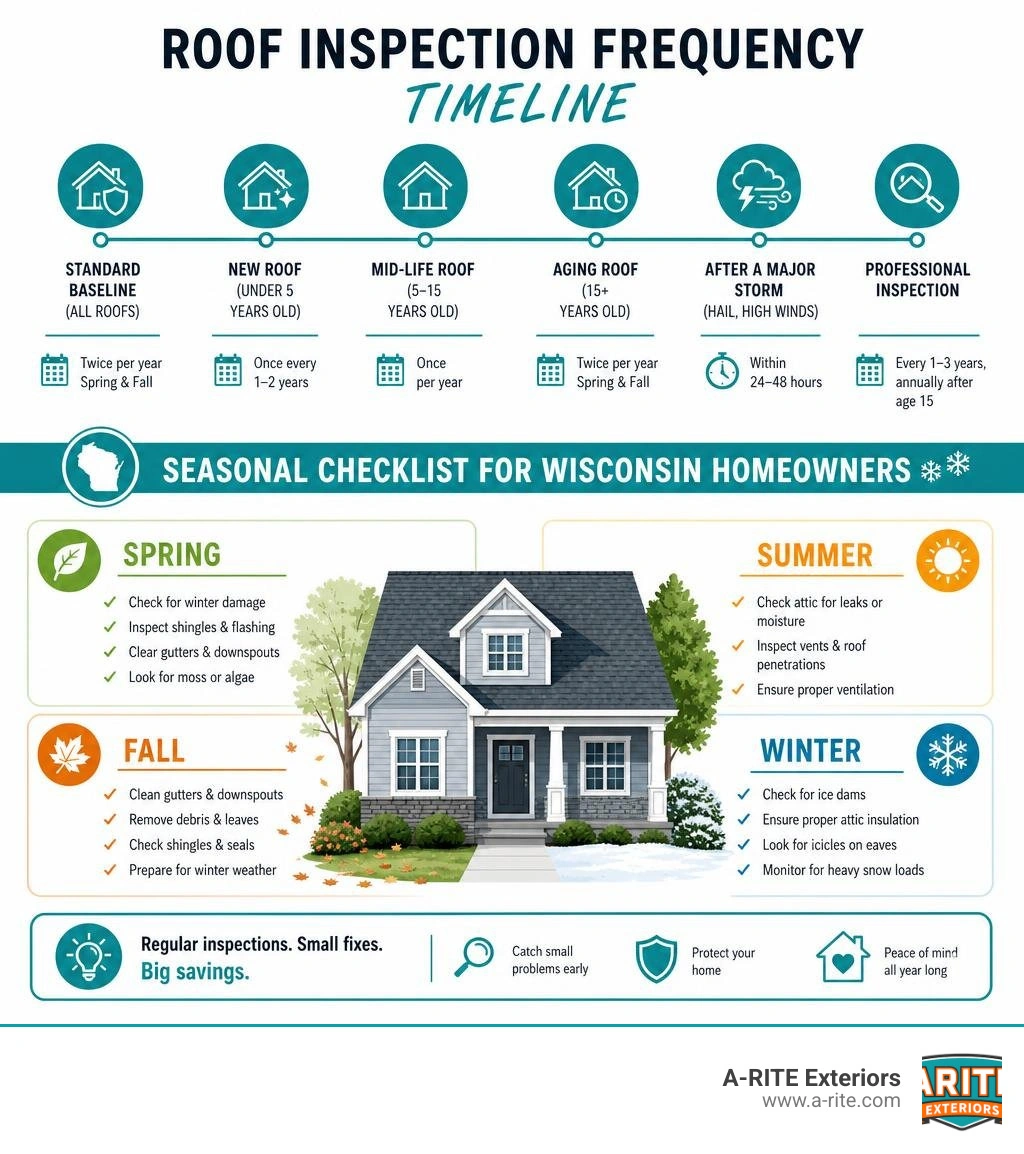
How often should roofs be inspected? Here is the short answer:
| Situation | Recommended Inspection Frequency |
|---|---|
| Standard baseline (all roofs) | Twice per year (spring and fall) |
| New roof (under 5 years old) | Once every 1-2 years |
| Mid-life roof (5-15 years old) | Once per year |
| Aging roof (15+ years old) | Twice per year |
| After a major storm (hail, high winds) | Within 24-48 hours |
| Professional inspection | Every 1-3 years, annually after age 15 |
Most homeowners do not think about their roof until water is dripping through the ceiling. By that point, what could have been a minor fix has often turned into a much larger and more expensive problem.
Consider this: nearly 60% of homeowners who replaced their roof said the project was urgent or an emergency. That is not bad luck; that is deferred maintenance. The number one cause of roof failure is simply not keeping up with regular checks.
Your roof takes the full force of Wisconsin weather every single year. Freeze-thaw cycles, ice dams, heavy snow loads, hail, and strong winds do not announce the damage they leave behind. That damage builds quietly, shingle by shingle, season by season, until it shows up as a water stain on your ceiling or a rotted deck board that should have been caught two years earlier.
The good news is that regular inspections are one of the simplest and most cost-effective things you can do to protect your home. A small problem caught early, such as a cracked vent boot or a lifted shingle, costs a fraction of what it costs after a year of undetected water intrusion.
I'm Bryan Londerville, founder of A-RITE Exteriors, and I've been inspecting and replacing roofs across Central Wisconsin since 2002, which means I've seen what happens when homeowners wait too long to ask how often should roofs be inspected. In this guide, I'll walk you through a clear, practical inspection schedule so you can stay ahead of problems before they become emergencies.
Terms related to how often should roofs be inspected:
How Often Should Roofs Be Inspected? The Standard Schedule
As a general rule, we recommend a baseline schedule of inspecting your roof twice per year, once in the spring and once in the fall. This routine timing is designed to protect your home's most critical asset before and after our intense Wisconsin winters.
The National Roofing Contractors Association (NRCA) supports this biannual schedule. It is not just about looking for leaks; it is about seasonal preparedness and preventative maintenance.
- The Spring Inspection (March-April): Winter is incredibly tough on Wisconsin roofs. Sub-zero temperatures, heavy snow accumulation, and ice dams put massive physical stress on shingles and structural decking. A spring inspection catches any damage left behind by the cold weather before the heavy summer rain and thunderstorms arrive.
- The Fall Inspection (September-October): Before the first snow flies in Wausau or Stevens Point, we want to make sure your roof is completely sealed and ready. A fall inspection ensures that summer wind or hail has not compromised your shingles, and that your gutters are clear of fallen leaves to prevent winter ice dams.
Skipping even a single inspection cycle can turn a minor, inexpensive fix into a major headache. According to industry data, 73% of homeowners do not inspect their roof until something is already wrong. By keeping to a biannual schedule, you ensure your roof remains in its best possible condition year-round. For more information on setting up your inspection calendar, check out this How Often Should You Inspect Your Roof? Schedule Guide | Roofs Wiki.
Key Factors That Influence Inspection Frequency
While the twice-per-year rule is an excellent baseline for homeowners, a variety of individual factors will influence how often should roofs be inspected for your specific home. These factors include the age of your roof, the materials used to build it, and the unique weather challenges of Central Wisconsin.
Recommended Inspection Frequency by Roof Age
As a roof ages, its materials naturally degrade, making it more vulnerable to the elements. Adjusting your inspection schedule based on your roof's lifecycle is essential:
- New Roofs (Under 5 Years): If your roof was recently installed, it is generally highly stable. An inspection every 1 to 2 years is usually sufficient. However, keeping up with these regular checks is still critical for maintaining your manufacturer's warranty validity.
- Mid-Life Roofs (5 to 15 Years): During this period, materials begin to experience normal wear and tear. We recommend a firm annual inspection schedule to catch early signs of aging, such as minor granule loss or slightly deteriorated sealants around flashings.
- Aging Roofs (Over 15 Years): Once an asphalt shingle roof passes the 15-year mark, its structural integrity can decline rapidly. At this stage, we strongly advise transitioning to a strict bi-annual inspection schedule (spring and fall) to proactively monitor for progressive degradation.
How Roofing Materials Affect How Often Roofs Should Be Inspected
Different roofing materials have distinct lifespans and maintenance needs. While some materials can go longer between professional evaluations, others require more frequent checks.
| Roofing Material | Typical Lifespan | Recommended Professional Inspection Interval |
|---|---|---|
| Asphalt Shingles | 20 to 50 years (varies by product and weather) | Every 1 to 2 years |
| Metal Roofing | 50+ years (copper can last up to 100 years) | Every 3 to 5 years |
| Clay / Concrete Tile | 40 to 100 years | Every 2 to 3 years |
| Wood Shingles / Shakes | About 30 years (requires active maintenance) | Every 1 to 2 years |
Note: These lifespans are typical averages and commonly vary based on product quality, proper ventilation, routine maintenance, and severe weather exposure.
No matter the material, key components like metal flashing, valleys, and rubber boot seals around pipes will always degrade faster than the primary roofing material itself. For instance, a standing seam metal roof may last 50 years, but its sealant joints and chimney flashings may require attention much sooner. Additionally, if you are considering a roof update, we highly recommend reading about Why You Should Not Roof Over Existing Shingles to understand how layering impacts material longevity.
Climate, Weather Events, and Environmental Stressors
Living in Central Wisconsin means our roofs face some of the most demanding weather in the country. From Green Bay down to Nekoosa, our local climate plays a massive role in how quickly roofing systems wear out.
- Wisconsin Winters and Freeze-Thaw Cycles: During winter, water can seep into tiny cracks in roofing materials during warmer daytime hours. When temperatures plunge overnight, this water freezes and expands, forcing shingles apart and cracking seals.
- Heavy Snow Loads and Ice Dams: Fresh snow weighs 3 to 5 pounds per cubic foot, but packed snow and ice can weigh 20 to 57 pounds per cubic foot. This extreme weight puts immense structural stress on your roof deck. Furthermore, poor attic ventilation can cause ice dams, forcing melted water backward under your shingles. Learn more about this by reading our guide on Spotting Early Signs of Ice Dams Before They Get Worse and understanding the 9 Common Types of Damage Caused by Ice Dams.
- Wind and Hail Damage: High winds exceeding 50 mph are strong enough to lift, loosen, or completely tear away shingles. Meanwhile, severe hailstorms can bruise asphalt shingles, fracturing the protective granule matrix and exposing the underlying asphalt to damaging UV rays. Check out our resources on Identifying 4 Common Signs of Hail Damage and finding the right system in our article on What Is the Best Roofing System for Wisconsin Weather.
DIY vs. Professional Roof Inspections
As a homeowner, it is helpful to know what you can check yourself and when it is time to call in a certified professional. While DIY visual checks are a great way to stay proactive, they cannot replace the comprehensive accuracy and safety of a professional inspection.
Generally, DIY inspections achieve about 40% to 60% accuracy because homeowners lack specialized training and cannot safely access every part of the roof. Professional inspections, on the other hand, boast a 95%+ accuracy rate. Professionals know exactly what to look for, carry specialized safety gear, and provide the documented proof required to keep your manufacturer warranties valid and support future insurance claims.
How to Safely Perform a DIY Roof Inspection
We strongly discourage homeowners from climbing onto their roofs. Walking on shingles can cause accidental damage, and climbing ladders carries significant safety risks. Instead, you can perform a highly effective DIY inspection safely from the ground and inside your home:
- The Binocular Check: Grab a pair of binoculars and walk around your home's exterior. Carefully scan the roof plane, looking for missing, curling, buckled, or cracked shingles.
- Gutter and Downspout Inspection: Check your gutters for sagging or blockages. Look closely inside the gutter troughs for an accumulation of sand-like granules, which is a key sign that your asphalt shingles are nearing the end of their useful life.
- The Attic Moisture Hunt: Head up into your attic with a flashlight on a dry day. Look for water stains, dark wood rot, mold, damp insulation, or any pinpricks of daylight showing through the roof deck.
- Flashing and Vents: From the ground or a secure ladder at the eave line, check the metal flashing around your chimney, dormers, and valleys to see if it is rusted, bent, or pulling away.
For more helpful details on identifying early issues before they get out of hand, read our article on Spotting Early Signs of Ice Dams Before They Get Worse.
What to Expect in a Professional Roof Inspection Report
When we perform a professional roof inspection, we conduct a meticulous, multi-point evaluation of your entire roofing system.
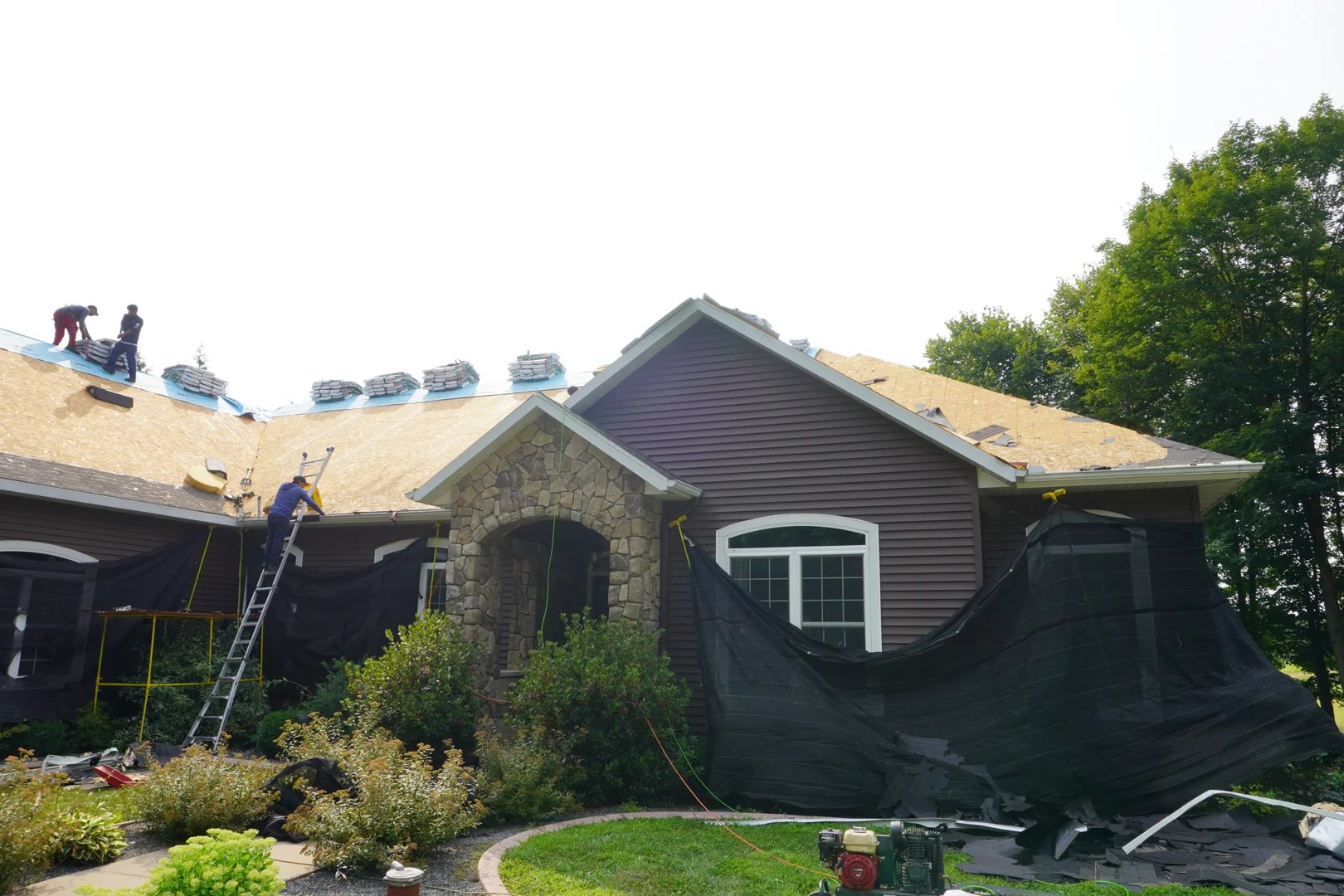
A comprehensive professional roof inspection report should include:
- Structural Evaluation: Checking for sagging rooflines, uneven roof planes, and the structural integrity of the roof deck and rafters from inside the attic.
- Material Condition: Examining the shingles or metal panels for wear, granule loss, wind damage, and overall remaining lifespan.
- Flashing and Penetrations: Inspecting the metal flashing around chimneys, skylights, vents, and valleys to ensure watertight seals.
- Ventilation and Insulation: Assessing attic airflow, checking soffit and ridge vents for blockages, and evaluating insulation levels to prevent condensation and ice dams.
- Detailed Documentation: A written report prioritizing any necessary repairs, complete with high-resolution photos of our findings.
If you are looking to hire a trustworthy local expert, we invite you to review our Roofing Contractor Selection Guide and our advice on How to Choose a Roofing Contractor in Central Wisconsin.
Warning Signs of Roof Damage and the Cost of Neglect
Roofs rarely fail overnight. Instead, they give off subtle warning signs that, if ignored, can lead to severe structural damage. Knowing what to look for can save you from a stressful, high-cost emergency replacement.
- Curling, Cupping, or Clawing Shingles: When shingles curl at the edges or buckle in the middle, they are no longer shedding water properly and are highly vulnerable to wind uplift.
- Heavy Granule Loss: Asphalt shingles are coated with mineral granules to protect them from UV radiation. When these granules wash into your gutters, the shingles degrade rapidly.
- Damaged or Missing Flashing: Flashing is your roof's primary defense at joints and transitions. Cracked sealant or rusted metal in these areas is a common source of active leaks.
- Interior Water Stains and Mold: Water stains on attic rafters, ceilings, or walls indicate that water has already breached your roof's underlayment and is damaging your home's interior.
When to Inspect After a Storm or Major Weather Event
Severe storms require immediate action. If your area experiences sustained winds exceeding 50 mph or hail larger than 1 inch in diameter, you should schedule a supplemental roof inspection within 24 to 48 hours.
Storm damage can be incredibly deceptive. Wind can lift shingles, breaking their adhesive seals without tearing them off completely. Hail can cause "bruising," which are small, dark indentations that fracture the shingle's fiberglass matting. While these issues may not cause an immediate drip inside your home, they will fail prematurely during the next freeze-thaw cycle.
If you suspect your home has been hit, reach out to us. You can read more about storm response in our guides on Hail Damage Wausau and Who Should I Call for Storm Damage Roof Repair in Wausau or Central Wisconsin.
The Financial Consequences of Neglecting How Often Roofs Should Be Inspected
Skipping regular inspections is an expensive gamble. According to the National Roofing Contractors Association, proactively maintained roofs last an average of 21 years, while reactively maintained roofs last only 13 years.
Furthermore, proactive maintenance costs an average of 14 cents per square foot annually, compared to 25 cents per square foot for reactive repairs. Over a 20-year period, consistent inspections and minor preventative repairs can save homeowners up to $27,530, representing a 55% reduction in total roofing costs.
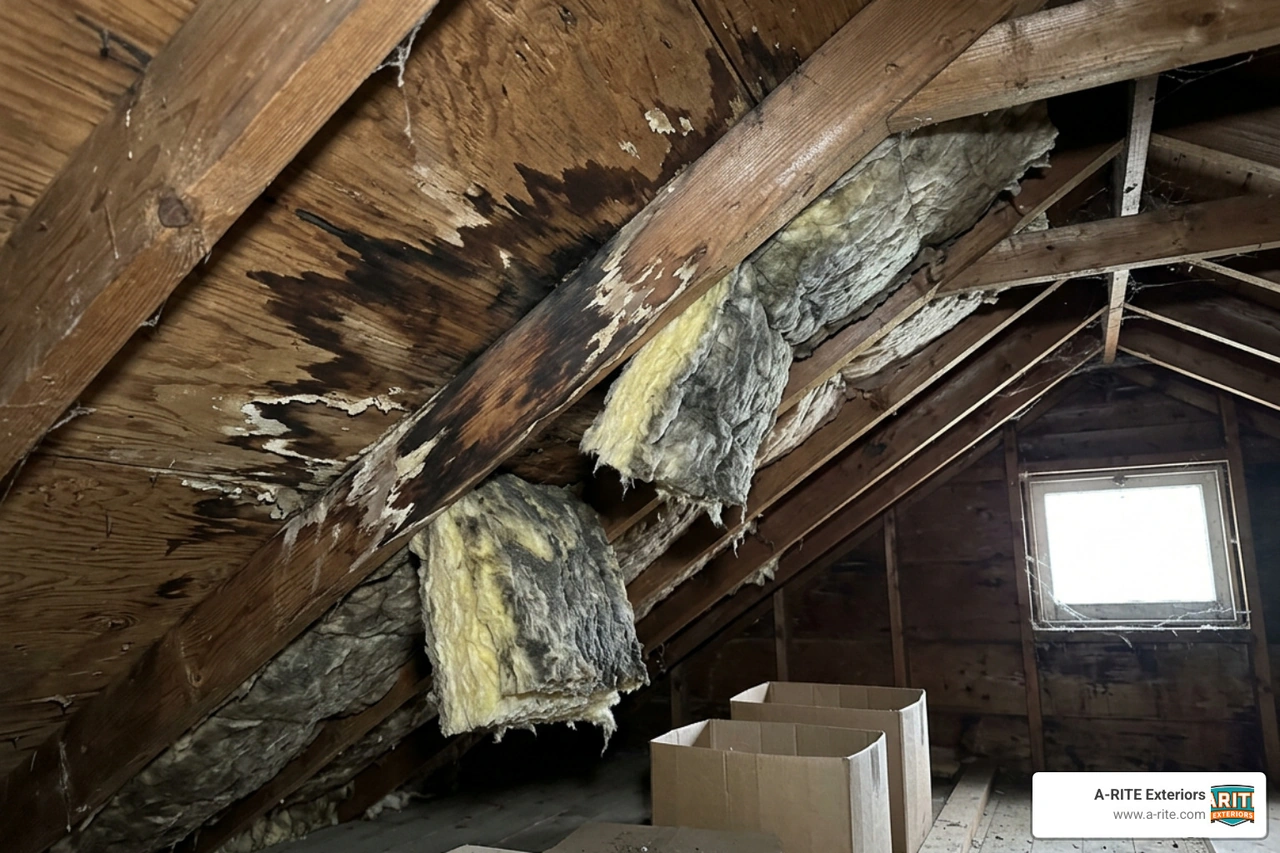
When minor issues like a cracked vent boot or a lifted shingle are left undetected, water slowly rots the plywood decking, ruins attic insulation, and fosters toxic mold growth. What could have been a simple, low-cost repair can quickly escalate into a project that can cost thousands of dollars, and severe cases can cost much more. Additionally, insurance companies often deny storm damage claims if they find evidence of long-term owner neglect and a lack of routine maintenance.
Roof Maintenance, Costs, and Financial Options
When it does come time for a roof replacement, the investment is significant. In Central Wisconsin, a complete residential roof replacement typically ranges from the upper four figures to the mid five figures. The final price depends on several factors, including your roof's size, pitch, number of existing layers, decking condition, selected materials, and labor.
It is important to remember that a lower price may reflect differences in materials, scope, cleanup, warranty coverage, or installation details. At A-RITE Exteriors, we believe in complete transparency and helping our customers find the best solutions for their budgets.
To help make your home improvement project manageable, we offer flexible payment solutions. Financing options are available for qualifying homeowners. Loan amounts up to $100,000 unsecured may be available, with final approval, rates, and terms based on lender review and credit qualification.
Additionally, homeowners may qualify for Focus on Energy rebates. Please note that these rebates are specifically for qualifying insulation and air-sealing work (such as attic insulation, air sealing, wall insulation, foundation insulation, duct sealing, and qualifying DIY attic insulation and air sealing) to help improve your home's thermal efficiency and help reduce the risk of ice dams, rather than for the roof replacement itself. Rebate amounts and eligibility rules change over time, and homeowners should confirm current program rules before starting work.
If you are looking into federal tax incentives, the Section 25C Energy Efficient Home Improvement Credit was available for qualifying improvements placed in service through December 31, 2025. Because tax codes are complex and subject to change, we always recommend consulting a tax professional regarding any active credits. For trusted guidance, we recommend consulting neutral resources such as the IRS, ENERGY STAR, EPA, Focus on Energy, USDA, Wisconsin DSPS, GAF, Owens Corning, and the BBB.
Ready to see where your roof stands? Explore our Services - Roofing page or get a quick estimate using our Instant Roof Quote tool. We proudly serve homeowners across Central Wisconsin, from Roof Replacement Stevens Point WI to Local Roof Replacement projects in Manitowish Waters, Minocqua, and beyond.
Frequently Asked Questions About Roof Inspections
How long does a professional roof inspection take?
A standard residential roof inspection typically takes between 45 minutes and 1.5 hours. The exact duration depends on the size of your home, the complexity of the roof pitch, the number of roof planes, and how easily our team can access your attic space.
Will my homeowners insurance cover roof damage if I haven't had regular inspections?
Homeowners insurance is designed to cover sudden, accidental damage from covered perils, such as a severe windstorm or a major hailstorm. However, policies explicitly exclude normal wear and tear, aging, and damage caused by neglect or lack of maintenance. If an adjuster finds that a leak was caused by years of deferred maintenance rather than a specific storm event, your claim may be denied. Keeping a documented history of regular inspections is your best protection.
What is the difference between a home inspection and a specialized roof inspection?
A general home inspection is a broad, top-to-bottom evaluation of an entire property, usually performed during a real estate transaction. Because home inspectors must evaluate plumbing, electrical, and structural systems in a limited time, they typically spend only 15 to 30 minutes looking at the roof. A specialized roof inspection is a dedicated, deep-dive assessment performed by a certified roofing professional. We evaluate every component of the roofing system, including structural decking, flashing joints, underlayment integrity, and attic ventilation, providing a much more accurate and detailed assessment.
Conclusion: Protect Your Home with Proactive Care
Your roof is the lid on everything you own, including your family, your memories, and your home itself. Waiting for a leak to tell you there is a problem is an expensive and stressful approach to home maintenance. By understanding how often should roofs be inspected and sticking to a consistent schedule, you can catch minor issues early, maximize your roof's lifespan, and protect your hard-earned money.
At A-RITE Exteriors, we specialize in roof-first, weather-resistant solutions built specifically to handle the absolute worst of Wisconsin's winters and storms. Whether you are in Wausau, Stevens Point, Green Bay, or Minocqua, we are here to help you keep your home safe, warm, and dry.
Don't wait for the next heavy storm or winter freeze to find out if your roof is up to the task. Contact us today to schedule your professional inspection, and learn more about how proper attic health protects your roofing system by visiting our A-RITE Exteriors Insulation Services page. Trust the Hawk on Your Block.