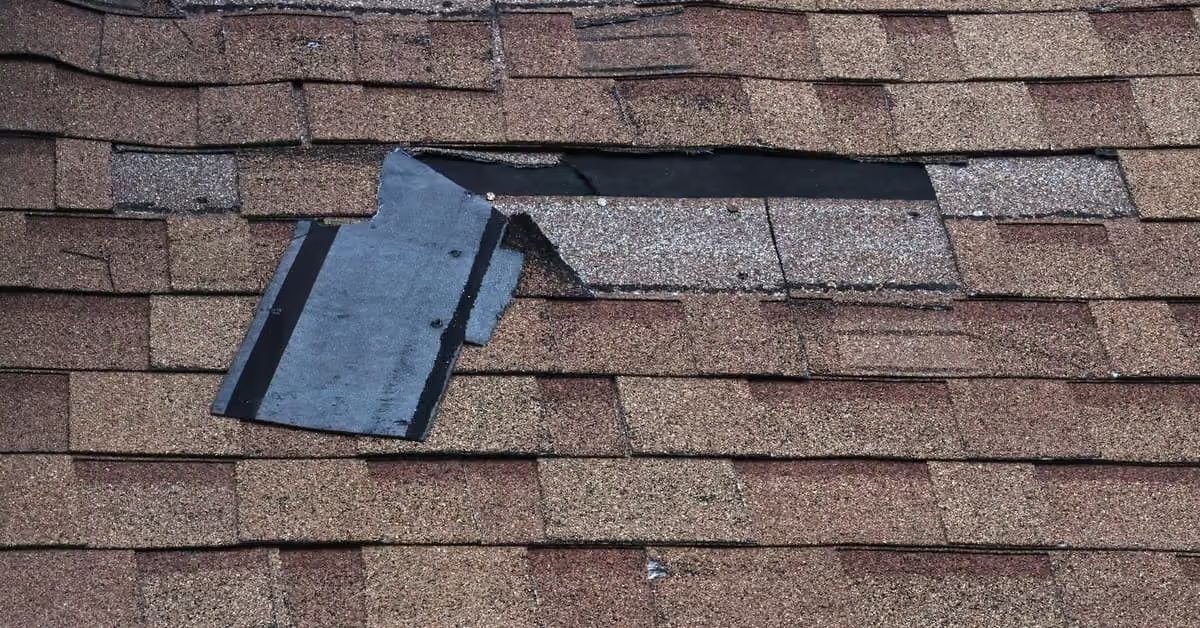
Yes, you can roof over existing shingles in some cases.
But in most situations, it is not the best choice for your home.
While it may seem like a way to save money upfront, layering new shingles over old ones often leads to hidden problems, shorter roof life, and higher long-term costs.
If you want your roof to truly protect your home, a full replacement is usually the better path.
What Happens When You Add a Second Layer of Shingles?
Your roof is designed to work as a complete system. That includes:
- Shingles
- Underlayment
- Flashing
- Ventilation
Each part plays a role in protecting your home.
When you add a second layer of shingles, you disrupt that system. The surface becomes uneven, heat gets trapped, and moisture can build up between layers.
Over time, this reduces how well your roof performs.
If you are considering your options, it helps to understand what a full system install looks like through our roofing services.
Structural Concerns: Added Weight on Your Roof
Every layer of shingles adds weight.
Your roof structure is designed to handle a certain load. Adding another layer pushes it closer to its limits.
This can lead to:
- Roof sagging
- Framing stress
- Long-term structural damage
These issues may not show up right away, but they can become expensive problems later.
Shorter Roof Lifespan
Layering shingles traps heat between layers.
That heat speeds up wear and tear on your new shingles, causing them to age faster than they should.
Instead of getting the full lifespan out of your roof, you may need another replacement much sooner.
A full tear-off allows your new roof to perform the way it was designed to.
Hidden Problems Stay Hidden
One of the biggest risks is what you cannot see.
Roofing over existing shingles covers up potential issues like:
- Soft or rotting roof decking
- Moisture damage
- Small leaks that have not surfaced yet
If those problems are not fixed, they will continue to spread under the new layer.
Starting fresh allows a full inspection and proper repairs before installation.
If you suspect damage already, it may be worth exploring
<a href="/services/repairs">roof repair services</a> before deciding.
Energy Efficiency Takes a Hit
Multiple layers of shingles trap heat in your attic.
That can lead to:
- Higher indoor temperatures
- Increased energy bills
- More strain on your HVAC system
Proper ventilation and insulation play a big role here. Addressing both during a full replacement helps your home stay more comfortable year-round.
You can also improve performance with attic insulation upgrades as part of your roofing project.
Appearance and Curb Appeal
Layering shingles often creates a wavy or uneven look.
That affects:
- Roof lines
- Shingle alignment
- Overall curb appeal
A full replacement gives you a clean, even finish that looks better and adds value to your home.
Future Repairs Become More Complicated
When problems show up later, repairs are harder with multiple layers.
Contractors have to remove extra material just to reach the issue underneath.
That means:
- Longer repair times
- Higher labor costs
- More disruption to your home
Starting with a clean roof makes future repairs simpler and more affordable.
Building Code Limits in Wisconsin
In many areas, including Wisconsin, building codes limit roofs to two layers of shingles.
If your home already has one layer, adding another may be allowed. But if there are already two layers, a full tear-off is required.
Even when it is allowed, code compliance does not always mean it is the best option for long-term performance.
Warranty Risks
Most manufacturer warranties require shingles to be installed on a clean, properly prepared surface.
Installing over existing shingles can:
- Void manufacturer warranties
- Reduce workmanship coverage eligibility
- Leave you unprotected if problems arise
That is a big risk for something as important as your roof.
Moisture Problems and Roof Damage
When shingles are layered, moisture can get trapped between them.
This can lead to:
- Mold and mildew
- Wood rot
- Interior water damage
Over time, that moisture can spread beyond your roof and affect other parts of your home.
Insurance Considerations
Some insurance providers may limit coverage if your roof does not meet proper installation standards.
Layered roofs can raise concerns about:
- Structural integrity
- Hidden damage
- Long-term reliability
That could impact claims if something goes wrong.
The Real Cost: Short-Term Savings vs Long-Term Value
Roofing over shingles may save money upfront.
But it often leads to:
- Shorter roof lifespan
- More repairs
- Higher future replacement costs
A full roof replacement gives you:
- Better performance
- Longer lifespan
- Fewer surprises
That makes it the smarter investment for most homeowners.
When Might Roofing Over Be Considered?
There are limited situations where layering shingles might be considered:
- The existing roof is in very good condition
- There is only one layer currently
- Structural integrity is confirmed
Even then, it is important to weigh the risks carefully.
The Better Option for Most Homes
For most homeowners, a full roof replacement is the safer and more reliable choice.
It allows your contractor to:
- Inspect the entire roof system
- Fix hidden issues
- Install a complete, high-performing roofing system
At A-RITE Exteriors, we approach your home as a system, not just a surface fix. That means making sure every layer works together to protect your home long-term.
Talk to a Roofing Expert
If you are trying to decide between layering shingles or replacing your roof, it helps to get clear, honest guidance.
Our team can walk you through your options and help you make the right decision for your home.
Contact us to schedule an inspection.
A-RITE Exteriors. The Best Defense for Your Nest.