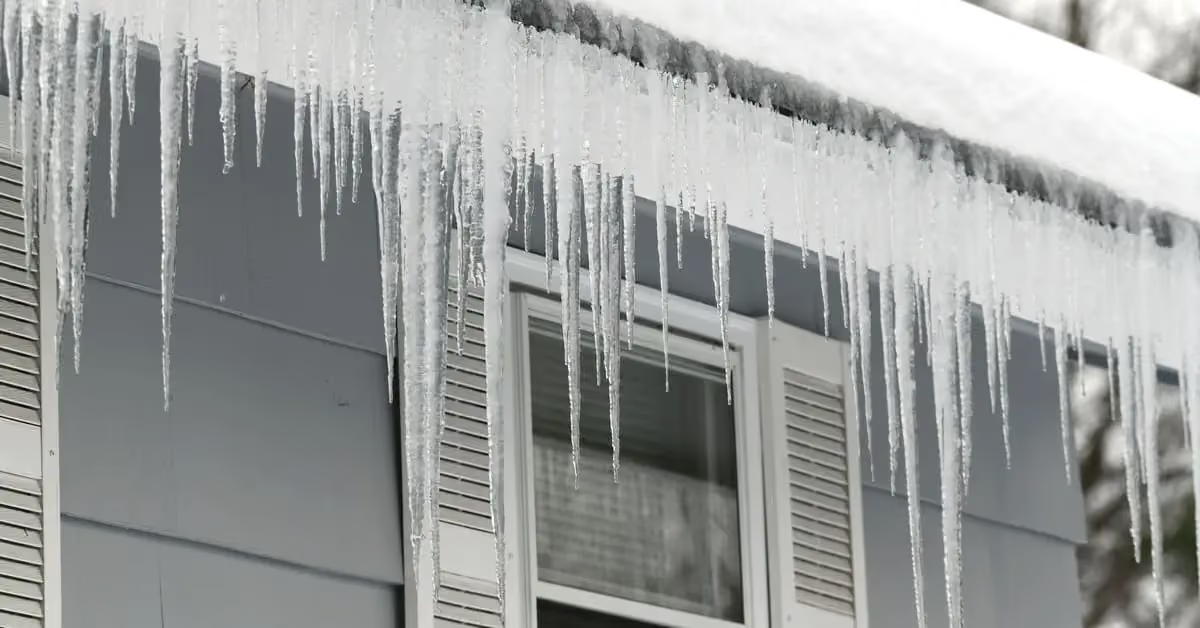
Ice dams are more than a winter nuisance.
They trap water on your roof and force it into places it should never go.
The result is damage that can affect your roof, attic, walls, and even areas around your home.
Here are the most common types of damage caused by ice dams and what they mean for your home.
What Causes Ice Dam Damage?
Ice dams form when warm air from your attic melts snow on your roof.
That water runs down and refreezes at the edge, creating a barrier.
As more snow melts, water backs up behind the ice and gets pushed under your shingles.
That is where the damage begins.
1. Roof Shingle Damage
Shingles are your first line of defense.
When water gets underneath them, it can cause:
- Curling or cracking
- Loose or missing shingles
- Loss of protective seal
Once shingles are compromised, your roof becomes much more vulnerable.
2. Roof Decking Damage
Under your shingles is the roof decking.
When moisture reaches this layer, it can:
- Soften the wood
- Cause swelling or rot
- Lead to sagging areas
At this stage, repairs often become more extensive and costly.
3. Water Stains on Ceilings and Walls
Interior damage is often the first thing homeowners notice.
Signs include:
- Yellow or brown stains
- Peeling paint
- Bubbling drywall
These are clear signs that water is getting inside your home.
4. Insulation Damage
Wet insulation cannot do its job.
Ice dam leaks can cause insulation to:
- Become compressed
- Lose effectiveness
- Allow heat to escape
This not only increases energy bills but also makes ice dams more likely to form again.
5. Mold and Mildew Growth
Moisture trapped in your home creates the perfect environment for mold.
This can happen:
- In the attic
- Behind walls
- Inside insulation
Mold affects both your home and indoor air quality, making it a serious concern.
6. Window and Door Leaks
Water does not always stay in the roof.
It can travel down and affect:
- Window frames
- Door openings
- Interior trim
Over time, this can lead to rot, drafts, and structural damage.
7. Gutter and Fascia Damage
Ice dams often build up in your gutters.
This can cause:
- Gutters to sag or pull away
- Fasteners to loosen
- Fascia boards to crack or rot
Once your gutter system is damaged, water control becomes even more difficult.
8. Siding Damage
When water overflows, it can run down your siding.
This may lead to:
- Staining or discoloration
- Warping or buckling
- Moisture behind panels
Siding damage can be both cosmetic and structural if left untreated.
9. Landscaping and Exterior Damage
Ice dams can even affect areas below your roof.
Falling ice and icicles can:
- Damage plants and shrubs
- Crack walkways
- Create safety hazards
This type of damage is often overlooked but can still be costly.
Why Ice Dam Damage Gets Worse Over Time
Ice dam damage rarely stays in one place.
Water spreads through your home, affecting multiple areas at once.
What starts as a small issue can quickly turn into:
- Structural damage
- Mold problems
- Higher repair costs
The sooner you address it, the better.
How to Protect Your Home
Preventing ice dam damage starts with addressing the root cause.
That includes:
- Proper attic insulation
- Good ventilation
- Keeping your roof clear of excess snow
At A-RITE Exteriors, we focus on your entire exterior system to help stop problems like ice dams before they start.
Protect Your Home Before Damage Spreads
Ice dams are a warning sign that your home is under stress.
If you are seeing signs of damage or want to prevent issues this winter, it is important to act early.
Getting the right guidance can help you avoid costly repairs and protect your home long-term.
A-RITE Exteriors. The Best Defense for Your Nest.