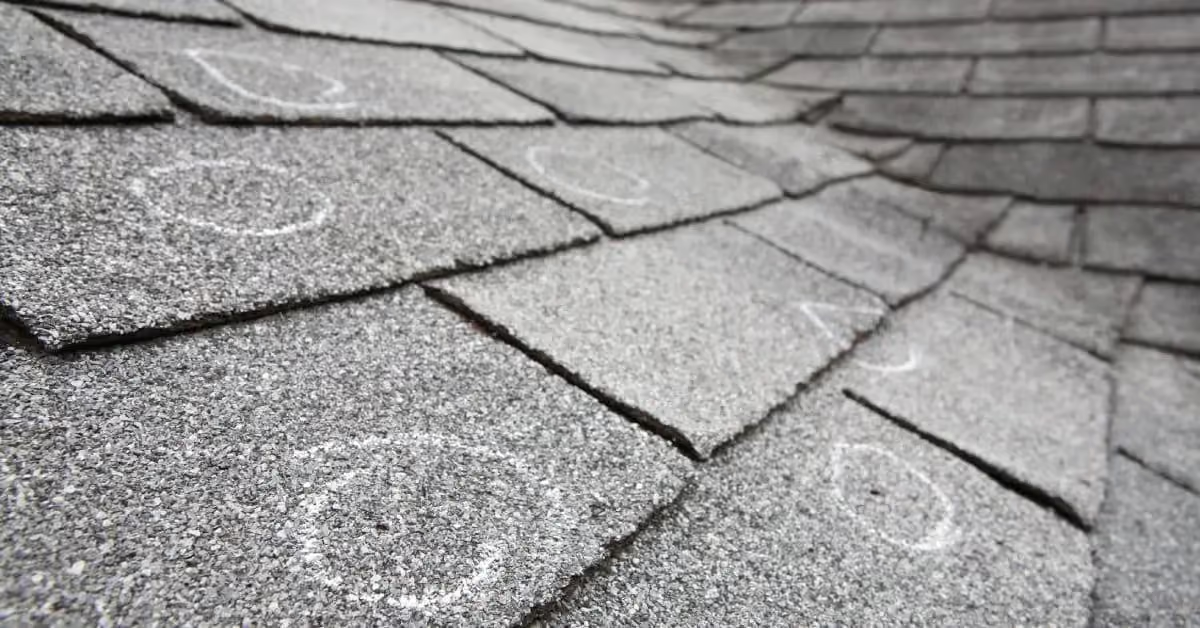
Hail damage is not always easy to spot.
After a storm, your home might look fine from the ground. But small signs of damage can lead to leaks, higher energy bills, and expensive repairs over time.
The key is knowing what to look for.
Here are four of the most common signs of hail damage and what they mean for your home.
What Is Hail Damage?
Hail damage happens when hailstones strike your home’s exterior.
The severity depends on:
- Size of the hail
- Wind speed during the storm
- Angle of impact
- Condition of your home
Large hail can crack shingles or break windows. Smaller hail may not look serious at first, but it can still weaken your roof over time.
Where Hail Damage Usually Shows Up
Hail rarely hits just one area.
After a storm, check:
- Roof
- Gutters and downspouts
- Siding
- Windows and doors
Looking at all areas helps you catch damage early before it spreads.
1. Signs of Hail Damage on Your Roof
Your roof takes the most direct impact during a hailstorm.
Look for:
- Soft spots or “bruising” on shingles
- Cracked or missing shingles
- Granules collecting in gutters
- Dark spots where protective layers are gone
These signs mean your shingles may no longer protect your home properly.
Even small damage can allow water to get underneath and cause bigger issues later.
2. Damage to Windows and Doors
Hail can also affect glass and frames.
Watch for:
- Cracks or chips in glass
- Loose or damaged seals
- Dents in frames
- Doors that no longer close properly
Small cracks may not seem urgent, but they can lead to drafts, moisture issues, and higher energy costs.
3. Damage to Siding
Siding damage can be easier to see, but also easy to ignore.
Check for:
- Cracks or holes in vinyl siding
- Dents or chipped paint on wood siding
- Warping or discoloration
Hail damage often follows a pattern based on wind direction. If you notice repeated marks on one side of your home, that is a strong sign of storm-related damage.
4. Damage to Gutters and Downspouts
Your gutter system plays a big role in protecting your home.
After a storm, look for:
- Dents or bends in gutters
- Loose or separated sections
- Damaged downspouts
If gutters are not working properly, water can pool near your foundation and cause long-term damage.
What to Do After You Find Hail Damage
If you notice any of these signs, take action quickly.
Start by:
- Taking clear photos of all visible damage
- Writing down what areas were affected
- Making temporary fixes if needed to prevent further damage
Then, contact your insurance provider to start the claims process.
Why a Professional Inspection Matters
A visual check from the ground is a good start, but it is not enough.
Some damage is not visible without getting on the roof or inspecting closely.
A professional inspection helps:
- Identify hidden damage
- Document everything properly
- Give you a clear understanding of what needs to be fixed
At A-RITE Exteriors, we look at your entire exterior system, not just one area, so nothing gets missed.
Filing an Insurance Claim the Right Way
Hail damage claims can be straightforward if handled correctly.
To avoid issues:
- Provide detailed photos and notes
- Make sure all damage is documented before finalizing the claim
- Do not rush into accepting a settlement
Missing damage early can lead to paying out of pocket later.
How to Help Prevent Future Hail Damage
You cannot stop hailstorms, but you can reduce the impact.
Consider:
- Impact-resistant roofing materials
- Stronger siding options
- Upgraded windows
- Regular inspections
These improvements help protect your home and reduce repair needs over time.
Protect Your Home After the Storm
Hail damage is easy to overlook, but it can lead to serious problems if ignored.
Catching it early gives you more options and helps protect your home from bigger repairs down the road.
If you are unsure whether your home has damage, getting a professional opinion is the safest next step.
Contact A-RITE Exteriors to schedule an inspection and get clear answers about your roof and exterior.
A-RITE Exteriors. The Best Defense for Your Nest.