What to Know About a Storm Damage Roof Assessment in Mosinee
A storm damage roof assessment in Mosinee is the most important step you can take after severe weather hits your home. Here is a quick overview of what it involves and what to expect:
What is a storm damage roof assessment?A professional inspection that identifies hail damage, wind uplift, missing shingles, granule loss, flashing damage, and hidden moisture intrusion after a storm.
Key steps in the process:
- Ground-level visual check for obvious damage
- Attic inspection for water stains, damp insulation, or daylight
- Physical roof inspection of shingles, flashing, and gutters
- Advanced methods such as drone imaging or infrared moisture detection
- Written damage documentation for insurance purposes
Why it matters in Mosinee:Central Wisconsin weather brings summer hailstorms, high winds, and harsh winters with ice and heavy snow. Damage is not always visible from the ground. Even small hail can chip asphalt shingles enough to cause long-term leaks, and wind can lift shingles just enough to break the thermal seal without blowing them off entirely.
Typical assessment cost: Professional storm damage roof assessments typically range from $300 to $800.
If your roof just took a hit from a Wisconsin storm, you are not alone, and you do not have to figure it out by yourself. Storms in this region can leave behind damage that looks minor on the surface but quietly gets worse with every rain and freeze cycle that follows.
I'm Bryan Londerville, founder of A-RITE Exteriors, and I've been helping Central Wisconsin homeowners navigate storm damage roof assessments in Mosinee and the surrounding area since 2002. In that time, I've seen how easy it is to miss the subtle signs of real roof damage, and how a thorough, documented inspection makes all the difference when it comes to protecting your home and working with your insurance company.

Storm damage roof assessment mosinee glossary:
Understanding Storm Damage on Mosinee Roofs
Wisconsin weather is legendary for its mood swings. One day we are enjoying a calm summer afternoon, and the next, a fast-moving line of thunderstorms rolls through Marathon County, throwing heavy wind, torrential rain, and hail at our homes. When the storm clears, we often look at our roofs from the driveway, see no obvious holes, and assume everything is fine.
However, assuming your roof is safe just because it isn't actively raining in your living room is a recipe for long-term structural issues. Both wind and hail leave behind subtle calling cards that require a trained eye to spot before they turn into major water leaks.
Common Signs of Hail and Wind Damage
When strong winds sweep through Mosinee, they don't always tear shingles completely off. High-velocity winds and sudden pressure drops can lift shingles just enough to break their thermal seals. Once this bond is broken, the shingles act like a sail, allowing wind-driven rain to blow underneath. This is known as wind uplift, and it is a major cause of hidden attic leaks.
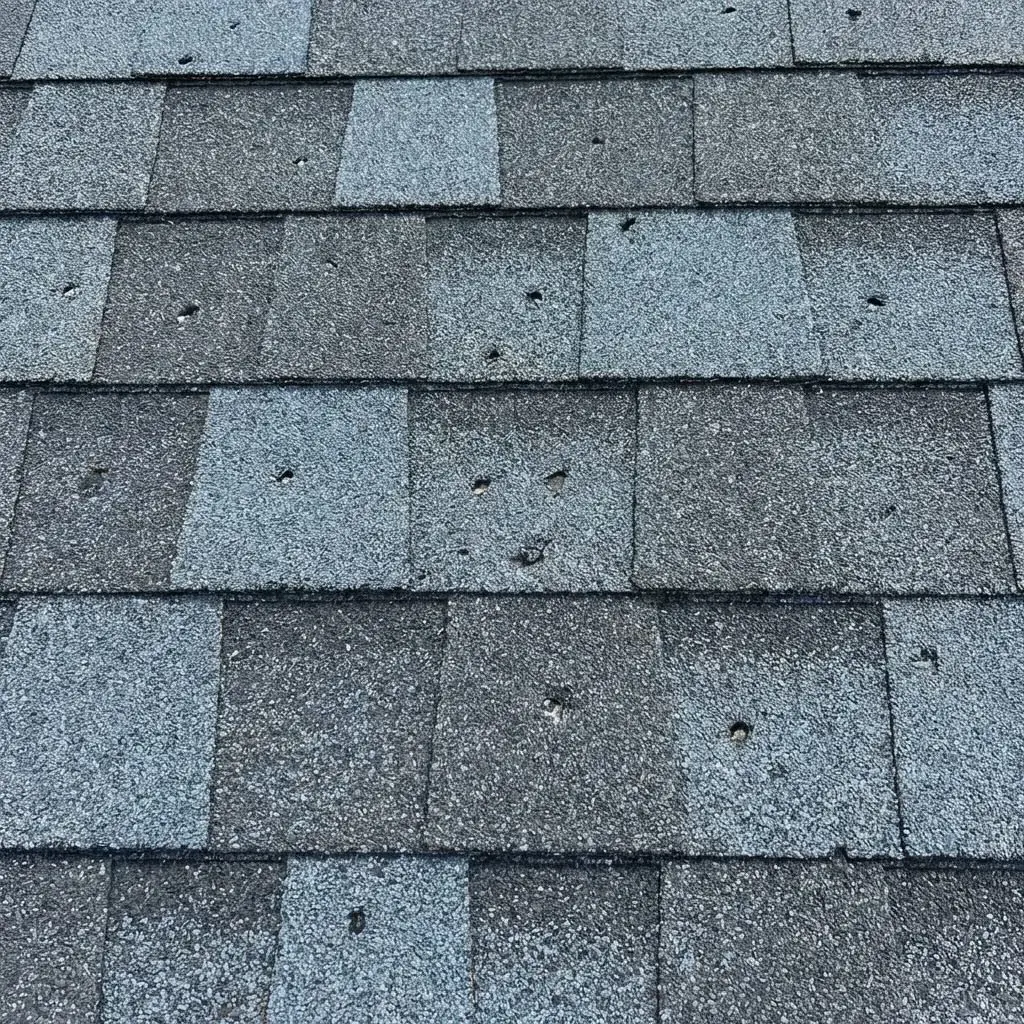
Hail damage is equally deceptive. Even tiny 1/8-inch hail can chip asphalt shingles enough to cause long-term leaks. When hail strikes a shingle, it knocks away the protective mineral granules, exposing the underlying asphalt substrate to UV radiation and temperature swings.
To help you identify these issues early, we recommend reviewing our guide on Identifying 4 Common Signs of Hail Damage. Some of the most common signs you might notice from the ground or around your property include:
- Missing or torn shingles: Shingles completely torn away or folded back by high winds.
- Granule loss: A heavy accumulation of colored sand-like granules in your gutters or washing out of your downspouts.
- Dented flashing and metal vents: Soft metals like aluminum vents, valley flashing, and chimney caps will show clear dents from hail impacts.
- Gutter debris: Splattered leaves, twigs, and heavy shingle debris clogging your gutter system after a storm.
Hidden Vulnerabilities and Shingle Bruising
Not all storm damage is visible to the untrained eye, especially from the safety of the ground. When hail hits an asphalt shingle, it can cause "shingle bruising." This is a localized impact point where the shingle feels soft to the touch, similar to a bruised apple.
While the shingle may look completely intact under flat lighting, the impact often fractures the fiberglass backing underneath. Once the backing is fractured, water will eventually seep through the shingle, rotting your roof decking and leaking into your attic space.
If you suspect your home has been hit, it is crucial to get a professional evaluation. You can learn more about how we identify these hidden issues in our detailed guide on Hail Damage Wausau. Unaddressed thermal seal breakage and fractured backing will eventually lead to wood rot, mold growth, and compromised structural integrity.
The Process of a Storm Damage Roof Assessment Mosinee
When we perform a storm damage roof assessment in Mosinee, we follow a meticulous, step-by-step process. We don't just climb up, take a quick look, and hand you a bill. We conduct a comprehensive forensic audit to ensure every single point of vulnerability is documented.
How to Prepare for a Storm Damage Roof Assessment Mosinee
Before our team arrives, there are a few simple steps you can take to prepare your property and stay safe:
- Safety First: Never climb onto a wet, slippery, or potentially compromised roof yourself. Leave the high-altitude work to the professionals who have the proper safety harnesses and training.
- Conduct a Ground-Level Check: Walk around your yard and look for pieces of shingles, bent metal, or damaged siding. Note down where you find them.
- Perform an Attic Inspection: If it is safe to do so, check your attic with a flashlight. Look for active drips, damp insulation, or water stains on the underside of the roof decking.
- Document the Date: Write down the exact date and approximate time the storm occurred. This is incredibly helpful for insurance purposes.
- Take Photo Evidence: If you see damaged shingles on the ground or dents in your metal gutters, take high-resolution photos from a couple of different angles.
Advanced Inspection Methods and Forensic Audits
When we arrive at your home, we combine old-school roofing expertise with modern technology to get an accurate picture of your roof's health.
Our forensic roof assessments often utilize advanced tools to find hidden water infiltration without damaging your home's structure. For example, we use drone technology to safely inspect high, steep, or severely weakened roofs. This allows us to capture crystal-clear, high-resolution imagery of every shingle.
Additionally, we employ infrared leak detection and moisture mapping. Because wet insulation and wood hold heat differently than dry materials, infrared cameras allow us to "see" water trapped beneath the roofing membrane or inside your attic walls. This non-invasive method ensures we find the exact source of a leak before we begin any Services Repairs.

Immediate Steps to Take After a Severe Weather Event
When a major storm damages your roof, taking fast action can mean the difference between a simple, localized repair and an incredibly expensive structural restoration.
Emergency Tarping and Leak Stabilization
If a fallen tree branch punctures your roof or high winds tear away a large section of shingles, you have an immediate emergency. Water pouring into your home will quickly ruin drywall, destroy insulation, and damage your personal belongings.
Emergency tarping should ideally be done within the first 12 to 24 hours after a storm. This temporary mitigation step stops active leaks and protects your home until permanent repairs can be made.
When we install emergency tarps, we make sure they extend at least 3 feet beyond all visible damage to prevent water from running under the edges. Fast, professional tarping is also a critical step for your insurance claim, as homeowners have a legal responsibility to mitigate further damage after a loss.
Documenting Damage for Your Insurance Claim
Filing a homeowners insurance claim can feel overwhelming, but having the right documentation makes the process much smoother.
After we complete our assessment, we provide you with a detailed forensic report. This includes high-resolution photos of the damage, a written explanation of our findings, and a professional repair estimate. Many national insurance carriers utilize a estimating software program called Xactimate. We write our estimates using this same software, which helps speed up the approval process because we speak the same language as your insurance adjuster.
While your insurance company may have a list of "preferred vendors," you have the legal right to choose your own independent, trusted local contractor to perform the repairs. You are typically only responsible for paying the deductible outlined in your homeowners insurance policy.
Navigating Repairs, Replacements, and Project Costs
Once the assessment is complete, the next step is deciding on the best path forward to restore your home's protection.
When to Repair vs. Fully Replace Your Roof
Can your roof be saved with a spot repair, or do you need a full replacement? The answer depends on several key factors:
| Indicator | Spot Repair | Full Roof Replacement |
|---|---|---|
| Extent of Damage | Localized to a small area (e.g., a few missing shingles from wind) | Widespread hail bruising, fractured backing, or structural sagging |
| Roof Age | Relatively new roof with plenty of life left in the materials | Near or past its typical expected lifespan |
| Cumulative Wear | No prior major storm damage or recurring leak issues | Multiple patched areas and overall degradation from years of Wisconsin winters |
| Material Availability | Matching shingles are readily available and can be seamlessly integrated | Outdated shingle style/color that cannot be matched, making spot repairs look patchy |
If your roof has suffered widespread wind or hail damage, attempting to patch multiple areas often costs more in the long run than investing in a Local Roof Replacement.
What is the Cost of a Storm Damage Roof Assessment Mosinee?
As mentioned, a professional storm damage roof assessment typically costs between $300 and $800. If you require immediate emergency services, such as emergency tarping, those costs are separate but are often covered by your insurance policy as emergency mitigation.
When it comes to the actual repairs, the cost can vary widely. Storm damage roof repairs in Mosinee, WI can cost thousands of dollars, and severe cases can cost much more.
For a complete roof replacement, the overall cost typically ranges from the upper four figures to the mid five figures. A lower price may reflect differences in materials, scope, cleanup, warranty coverage, or installation details. The final price of your project will always depend on your roof's size, pitch, number of layers, decking condition, selected materials, and labor complexity.
Financing, Rebates, and Budgeting for Your Project
We understand that unexpected storm damage can put a sudden strain on your finances. That is why we offer flexible payment options to help keep your project moving forward.
Financing options are available for qualifying homeowners. Loan amounts up to $100,000 unsecured may be available, with final approval, rates, and terms based on lender review and credit qualification.
Additionally, if your roof replacement project includes upgrading your home's energy efficiency, there are other financial incentives to consider. Homeowners may qualify for Focus on Energy rebates. Homeowners can review current program details on the Focus on Energy rebates page. Please note that these rebates are specifically for qualifying insulation and air-sealing work (such as attic insulation, air sealing, wall insulation, foundation insulation, duct sealing, and qualifying DIY attic insulation and air sealing), and not for the roof replacement itself. Rebate amounts and eligibility rules change over time, and homeowners should confirm current program rules before starting work.
Furthermore, regarding the Section 25C Energy Efficient Home Improvement Credit, current IRS guidance shows it was available for qualifying improvements placed in service through December 31, 2025. You can review general federal information on the IRS Energy Efficient Home Improvement Credit page. It is not currently active as a tax credit for projects started in 2026 or beyond unless updated IRS guidance confirms an extension. We always recommend consulting a professional tax advisor to explore any active tax incentives for your specific home improvements.
Choosing a Reliable Local Roofing Contractor
After a major storm, out-of-town "storm chasers" often flood the Mosinee area. These companies knock on doors, promise "free" roofs, and pressure homeowners into signing contracts quickly. Some out-of-area contractors may be harder to reach later if warranty or service issues come up.
What to Look for in a Written Estimate
When comparing estimates from different contractors, always look for a detailed, transparent scope of work. A professional estimate should clearly outline:
- The specific brands and lines of materials being used.
- Underlayment and ice/water shield upgrades.
- The cleanup process, including the use of magnetic sweeps to collect stray nails.
- Workmanship and manufacturer warranty details.
- Required local permits. The City of Mosinee requires building permits for roof replacements, including basic shingle replacement and redecking. A reliable contractor will handle the permitting process for you.
Knowing how to choose a roofing contractor in Central Wisconsin is key to protecting your investment. We suggest reading our resources on How Do I Choose a Roofing Contractor in Central Wisconsin and our Roofing Contractor Selection Guide. You can also find valuable advice in our article on Who Should I Call for Storm Damage Roof Repair in Wausau or Central Wisconsin.
Selecting Weather-Resistant Materials for Wisconsin Winters
If your assessment reveals that you need a full roof replacement, this is your opportunity to upgrade to materials built to withstand Wisconsin's brutal freeze-thaw cycles and heavy snow loads.
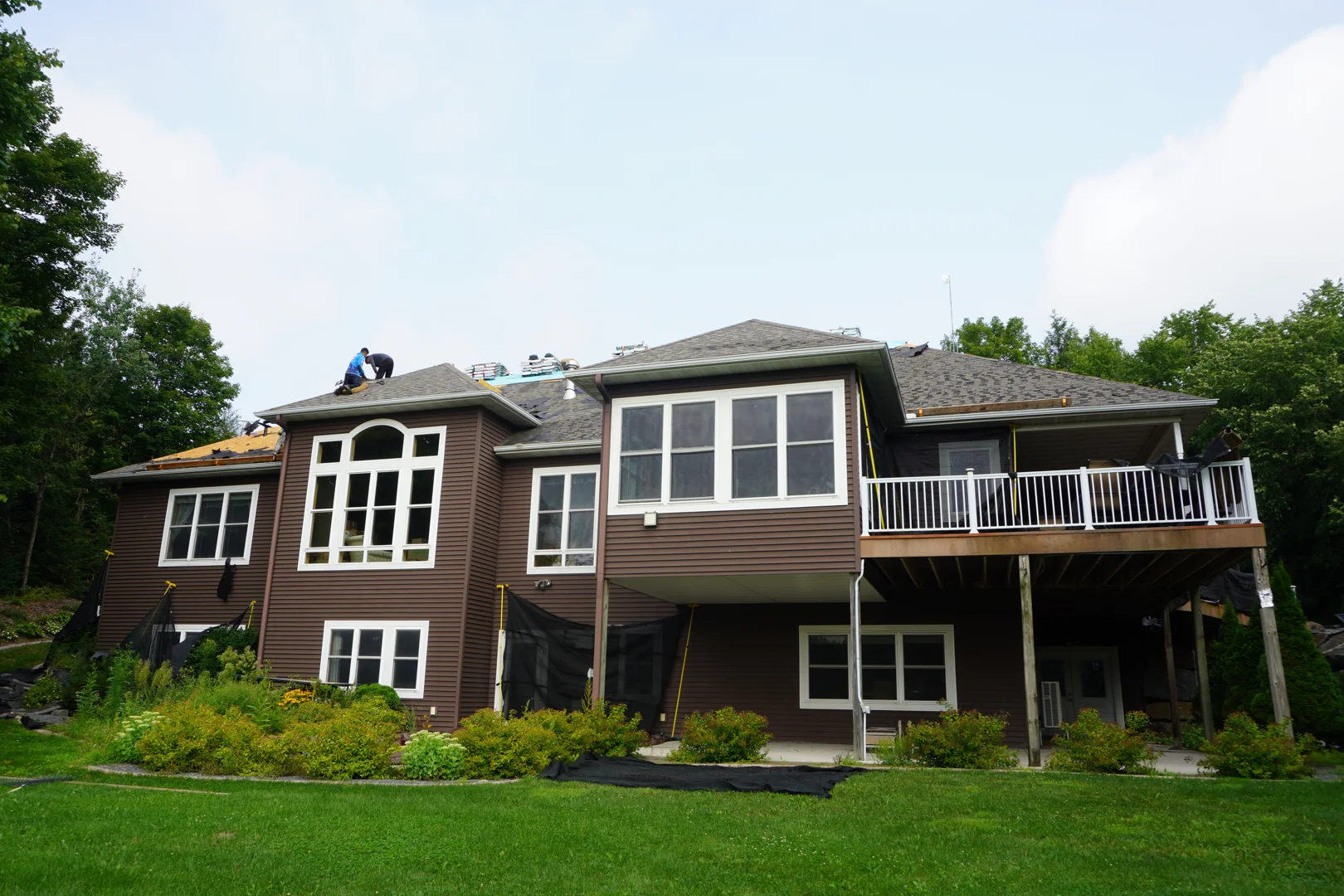
Asphalt shingles remain the most popular choice for Mosinee homeowners because of their balance of durability and cost-effectiveness. However, not all shingles are created equal. Modern architectural shingles offer superior wind and impact resistance compared to traditional 3-tab shingles. In fact, some architectural shingles are rated up to 110 to 130 mph when installed as part of the required system.
While the typical lifespan of a roof varies by product, installation, ventilation, maintenance, and weather exposure, investing in high-quality, impact-resistant materials can help protect your home from future storms and potentially lower your insurance premiums.
We specialize in tailoring these high-performance systems to your home. Explore our Services Roofing page to see our material options, or learn more about our local work in areas like Stevens Point and Manitowish Waters by checking out our guides on Roof Replacement Stevens Point WI and Roof Replacement Manitowish Waters WI. If you want to know why we are considered the Best Roofer in Wausau WI, our track record of weather-resistant installations speaks for itself.
Frequently Asked Questions About Roof Inspections
We get a lot of questions from Mosinee homeowners after severe weather. Here are some of the most common questions we hear:
Can hail damage be hidden under shingles?
Yes, absolutely. Hail damage is frequently hidden from ground-level view. While the top surface of an asphalt shingle might only show a small spot of granule loss, the impact can fracture the fiberglass backing underneath. Over time, water will seep through these microscopic fractures, causing long-term leaks and wood rot. Only a professional physical inspection or advanced forensic assessment can reliably identify this hidden damage.
Do I need a permit to replace a roof in Mosinee?
Yes. According to the City of Mosinee’s local building regulations, permits are required for residential roofing projects, including complete shingle replacement, redecking, or any structural modifications to the roof rafters. A reputable local contractor will always pull the necessary permits and ensure all work is completed up to local building codes.
How quickly should emergency tarping be done?
Emergency tarping should ideally be done within 12 to 24 hours of the storm damage occurring. Securing the roof quickly prevents secondary water damage to your attic, ceilings, and walls, which helps prevent mold growth and structural rot. Prompt mitigation is also highly looked upon by insurance companies, as it demonstrates that you took immediate steps to protect your property.
Conclusion
Recovering from a severe storm doesn't have to be a stressful, confusing process. By scheduling a professional storm damage roof assessment in Mosinee, you can catch hidden issues early, secure the documentation you need for your insurance claim, and ensure your home is protected for years to come.
At A-RITE Exteriors, we build weather-resistant solutions designed to handle everything Central Wisconsin winters and summers can throw at them. From Wausau and Mosinee to Stevens Point and beyond, we are here to help you protect what matters most.
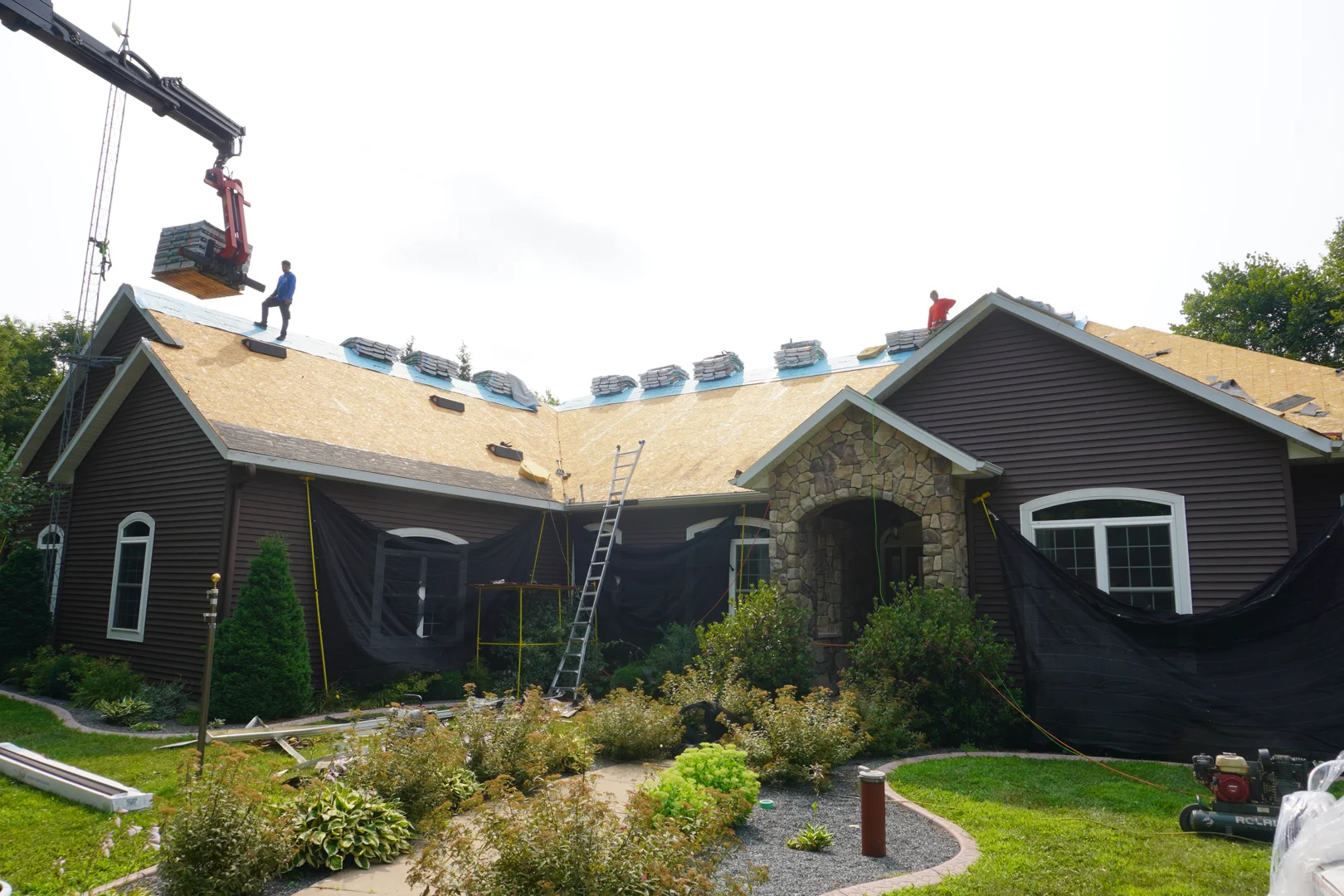
If your roof has recently been through a major storm, or if you want to make sure your home's insulation is ready to keep you warm this winter, don't wait for a small leak to turn into an expensive disaster. More info about insulation services is available to help you improve your home's efficiency, or you can contact us today to schedule your professional post-storm inspection. Trust the Hawk on Your Block!