Attic Insulation Cost in Central Wisconsin
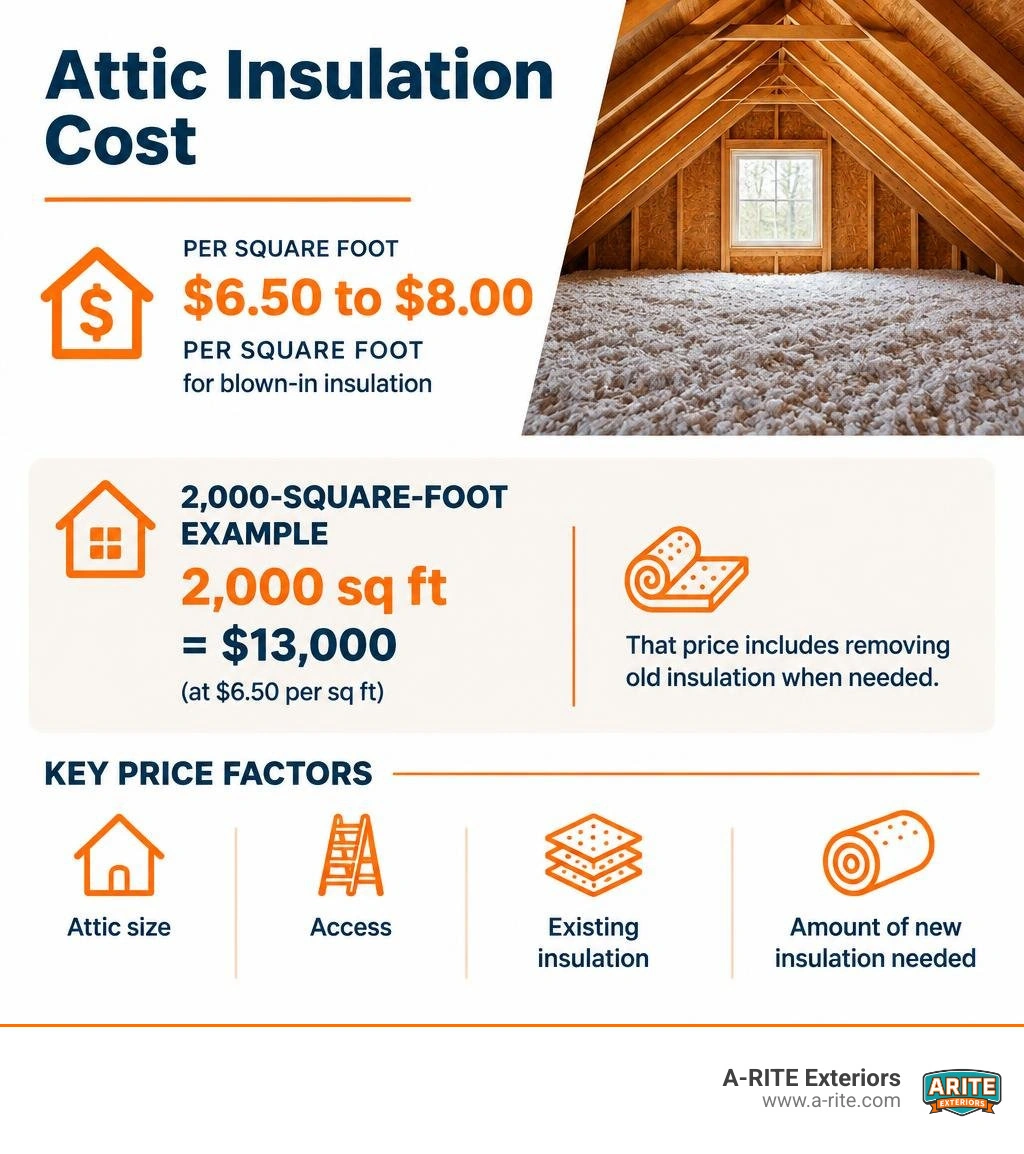
A-RITE Exteriors' attic insulation cost is about $6.50 to $8.00 per square foot of attic space for blown-in insulation. At $6.50 per square foot, a 2,000-square-foot attic would cost about $13,000. Attic size, access, existing insulation, and the amount of new insulation needed can change your estimate.
If rooms feel cold or you notice attic frost or ice dams, the insulation level is worth checking. A free estimate can show what your attic needs before you commit to the work.
I'm Bryan Londerville, owner of A-RITE Exteriors. Since 2002, I've helped Central Wisconsin homeowners understand how attic conditions affect winter comfort and attic insulation cost.
Understanding Your Total Attic Insulation Cost
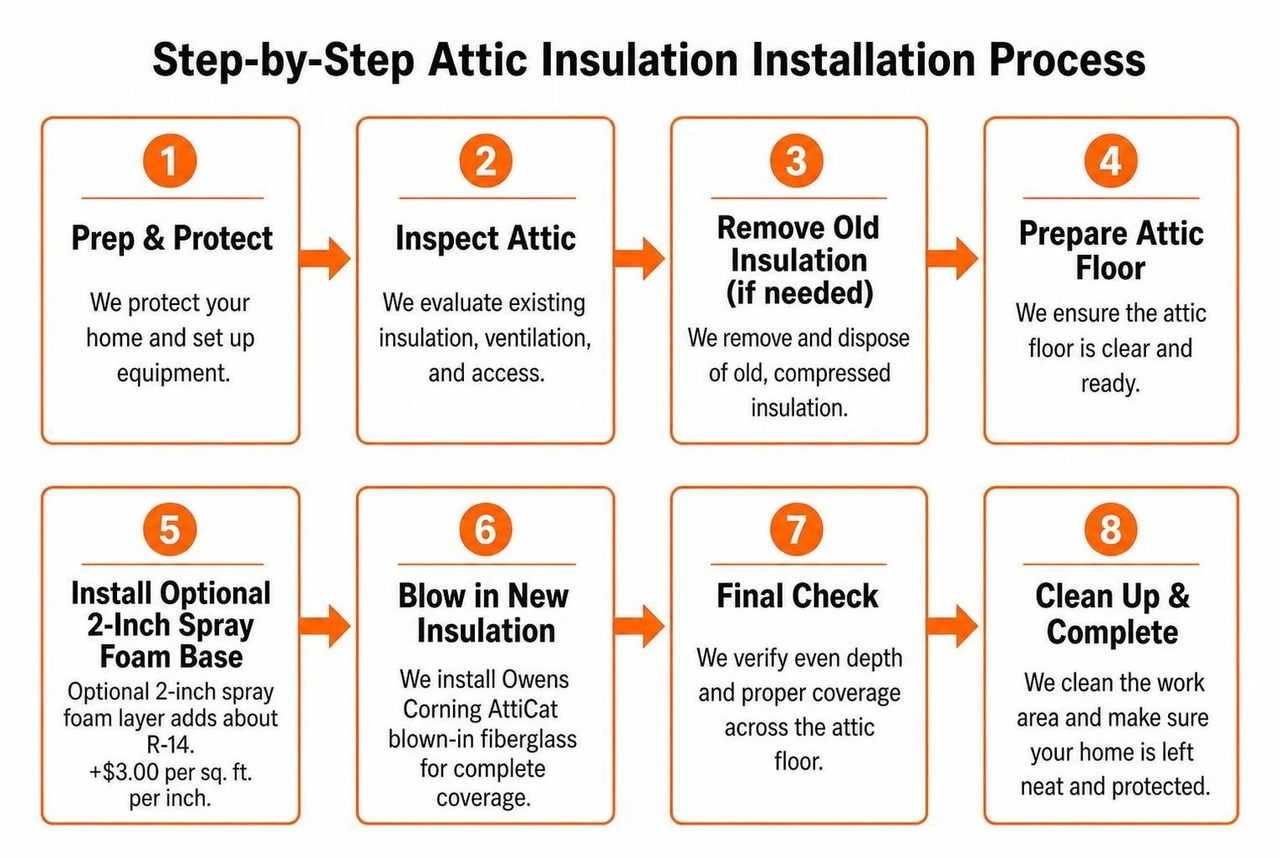
When you evaluate the total price for your attic project, the scope of work involves more than simply dropping materials across your ceiling joists. The price covers blowing in new insulation to the right depth, and removing old insulation when needed.
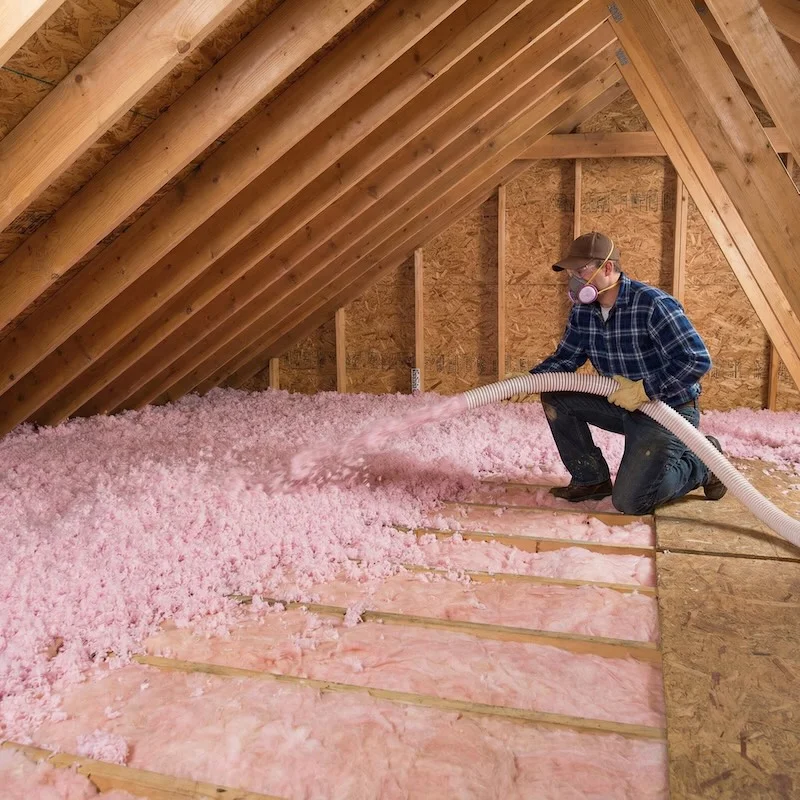
We install Owens Corning AttiCat blown-in fiberglass insulation. Blown-in insulation fills in around joists and into corners that batts can miss. Because attic work requires physical staging and technical expertise, pricing includes labor and cleanup.
| Insulation Approach | Typical Cost Range | Primary Performance Benefit |
|---|---|---|
| Blown-In Fiberglass (Owens Corning AttiCat) | $6.50 to $8.00 per sq. ft. | Complete, uniform coverage across ceiling joists |
| Blown-In with Optional 2-Inch Spray Foam Base Layer | $12.50 to $14.00 per sq. ft. | Adds about R-14 under the blown-in layer |
Calculating Attic Insulation Cost by Square Footage
Your attic floor footprint is the primary baseline for determining the overall project cost. To calculate square footage, measure the length and width of the living space directly below your attic.
For a standard ranch or two-story home with a 2,000-square-foot attic, our blown-in insulation pricing of $6.50 to $8.00 per square foot puts the total project investment at roughly $13,000 to $16,000.
Optional Spray Foam Addition and Pricing
A-RITE also offers an optional 2-inch spray foam layer under the blown-in insulation.
Spray foam adds about R-7 per inch, so 2 inches adds about R-14. It runs roughly $3.00 per square foot per inch, which adds about $6.00 per square foot for the 2-inch layer.
Key Factors That Drive the Price of Attic Projects
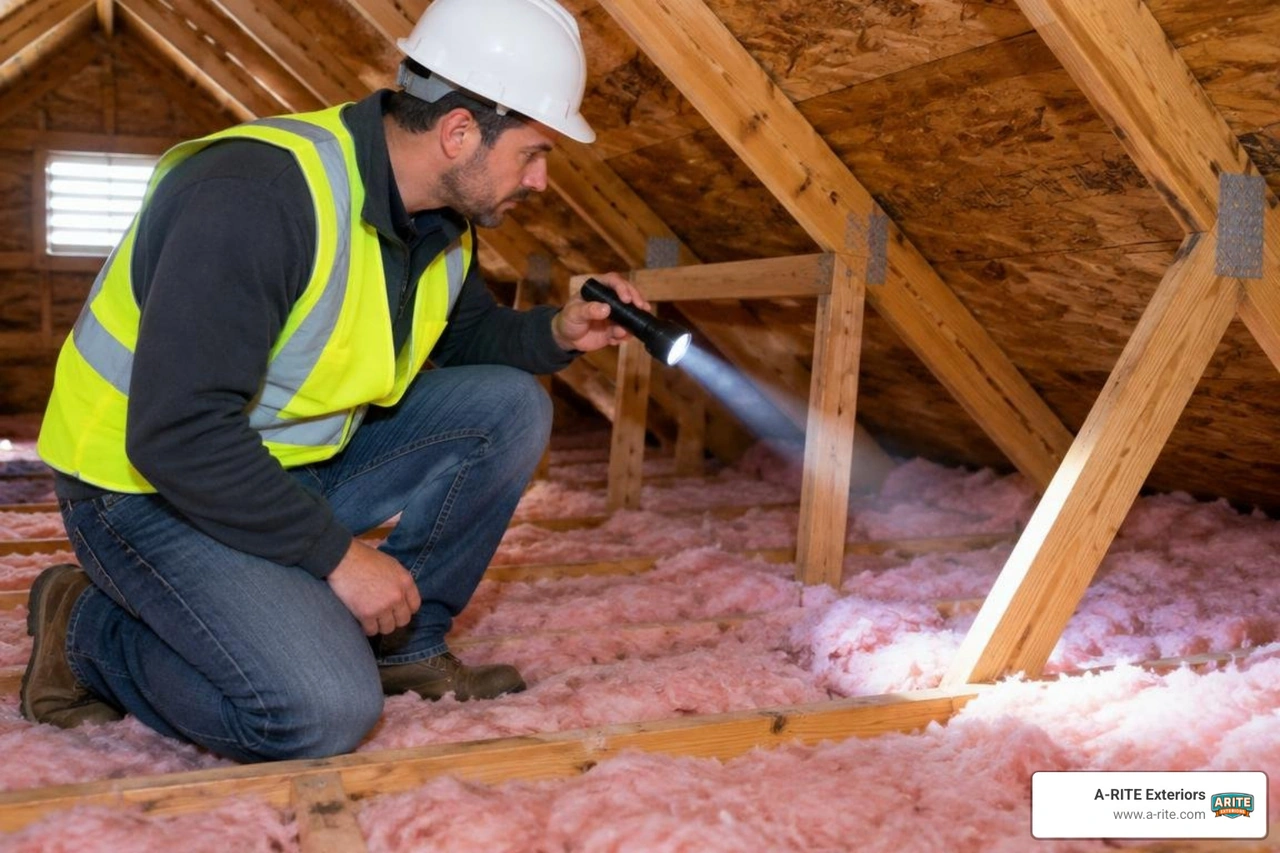
Every roof structure presents unique working conditions that influence final job pricing. While square footage provides a starting estimate, several on-site variables dictate the overall labor time and material requirements.
Current R-Value and Wisconsin Climate Needs
Thermal resistance is measured in R-value, which rates how well a material resists heat flow. Wisconsin building code establishes an R-49 baseline for residential attics. However, due to severe sub-zero temperatures throughout Central Wisconsin winters, we aim for R-60 or higher to maximize seasonal performance and indoor warmth.
Homes that have only a few inches of old, settled insulation require significantly more product to reach target thermal depths than attics that already have partial coverage. Homeowners can learn more about what R-value insulation your attic needs to balance upfront investment with winter heat retention.
How Existing Material Removal Affects Attic Insulation Cost
Old insulation often carries decades of dust, settled moisture, roof debris, or pest waste. Insulation that has packed down does not work as well.
If old insulation is damaged or dirty, it may need to come out first. A-RITE's price includes removing old insulation when needed.
Accessibility and Roofline Complexity
The physical shape of your home directly impacts installation speed and labor staging:
- Roof Pitch and Headroom: Steep roof pitches or shallow, low-slope trusses change how easily technicians can move across the attic. Low-clearance eaves require careful maneuvering to place materials properly.
- Access Point Location: Attic hatches located inside bedroom closets, high garage ceilings, or tight hallways require extra floor and wall protection during setup.
- Moving Around the Attic: Crews need a safe way to work across open ceiling joists without damaging the ceiling below.
A lower price may reflect differences in materials, scope, cleanup, warranty coverage, or installation details, which is why a comprehensive estimate is critical.
Warning Signs Your Home Needs an Attic Upgrade
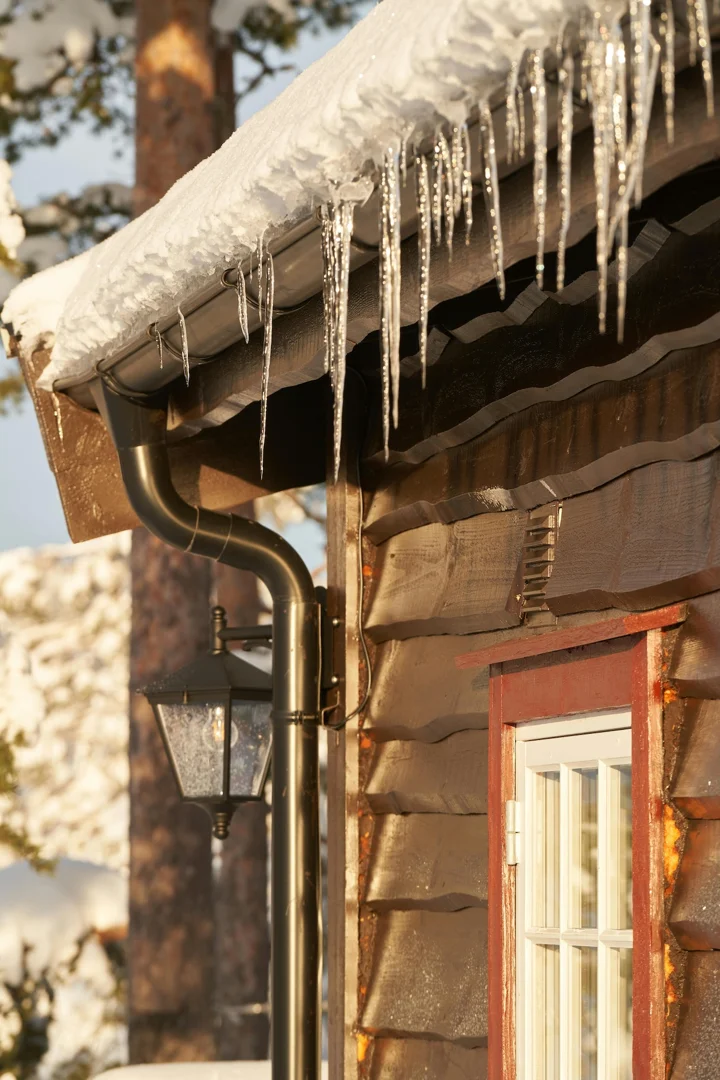
Homes with inadequate attic insulation frequently show clear warning signs during seasonal weather changes. Recognizing these issues early helps protect your roof deck and interior comfort.
Cold Drafts, Uneven Temperatures, and Rising Energy Bills
If your upper floor feels noticeably chilly in winter or uncomfortably hot during the summer, heat is moving freely across your ceiling plane. When warm air rises and escapes through a poorly insulated attic, your furnace has to work harder to keep up. More insulation can help even out room temperatures.
Attic Moisture, Frost, and Damaging Ice Dams
When heat escapes from your living space into an under-insulated attic, it warms the underside of the roof deck. This heat melts the bottom layer of snow on your roof. As the runoff flows down toward the cold, unheated eaves and gutters, it freezes into thick ridges of ice.
These ice formations lead to standing water pools that can back up under shingles. The resulting water leaks can cost thousands of dollars, and severe cases can cost much more in roof deck rot, drywall repair, and insulation ruin. Exploring the relationship between attic ventilation and winter ice dams explains why keeping your attic space cold is essential.
Escaping household humidity can also turn into frost on roof rafters during cold snaps. Learning why there is frost and moisture accumulation in your attic space can help you spot problems early.
Rebates and Financing Options for Wisconsin Homeowners
Upgrading your home exterior and thermal envelope represents an investment in long-term durability. Several financial programs and incentives can help streamline project costs.
Focus on Energy Rebates and Incentive Rules
Homeowners may qualify for Focus on Energy rebates. These rebates are for qualifying insulation and air-sealing work (such as attic insulation, air sealing, wall insulation, foundation insulation, duct sealing, and qualifying DIY attic insulation and air sealing), not for roof replacement itself. Rebate amounts and eligibility rules change over time, and homeowners should confirm current program rules before starting work.
Regarding federal tax incentives, current IRS guidance shows the Energy Efficient Home Improvement Credit (Section 25C) was available for qualifying improvements placed in service through December 31, 2025. Always consult a tax professional regarding active tax credits and filing rules.
Flexible Financing and Payment Options
To help budget major improvements, A-RITE offers financing through Service Finance. Financing options are available for qualifying homeowners. Loan amounts up to $100,000 unsecured may be available, with final approval, rates, and terms based on lender review and credit qualification.
Frequently Asked Questions About Attic Insulation
Do I need to be home during the attic insulation installation?
No, the homeowner does not need to be home for the install. As long as our crew has safe, clear access to your attic hatch or access panel, the blowing process can be completed while you go about your normal daily routine.
How much R-value does a Wisconsin attic need for winter?
While state residential code requires a minimum of R-49, we recommend aiming for R-60 or higher in Central Wisconsin. The extra depth provides greater thermal resistance against sub-zero freezes, stabilizing interior comfort and keeping your roof deck colder to minimize snow melt.
Can you add new blown insulation over old material?
In some cases, clean, dry insulation can be topped off with new loose-fill material. However, if the old insulation is compressed, contaminated, or damaged by past roof leaks, removing it first is often the better choice. Removing degraded insulation allows the floor deck to be inspected thoroughly and a clean, continuous thermal layer established.
Conclusion
Upgrading your attic insulation is a practical way to help protect your home against harsh Wisconsin winters, reduce drafty rooms, and help minimize conditions that lead to ice dams. A-RITE Exteriors is a GAF Master Elite contractor serving Central and Northern Wisconsin.
Our service area covers Stevens Point north to Minocqua along the Highway 51 corridor and the towns in between, and can also serve Wisconsin Rapids. Whether you live in Wausau, Schofield, Weston, Mosinee, Merrill, Kronenwetter, Rib Mountain, Rothschild, Tomahawk, Rhinelander, Minocqua, Woodruff, or surrounding communities, our team is ready to evaluate your home.
For insulation, A-RITE focuses on attics. If ice dams show up this winter, we also remove ice dams with steam.
Ready to make your home more comfortable this winter? Explore our professional attic insulation services and request a free estimate today.