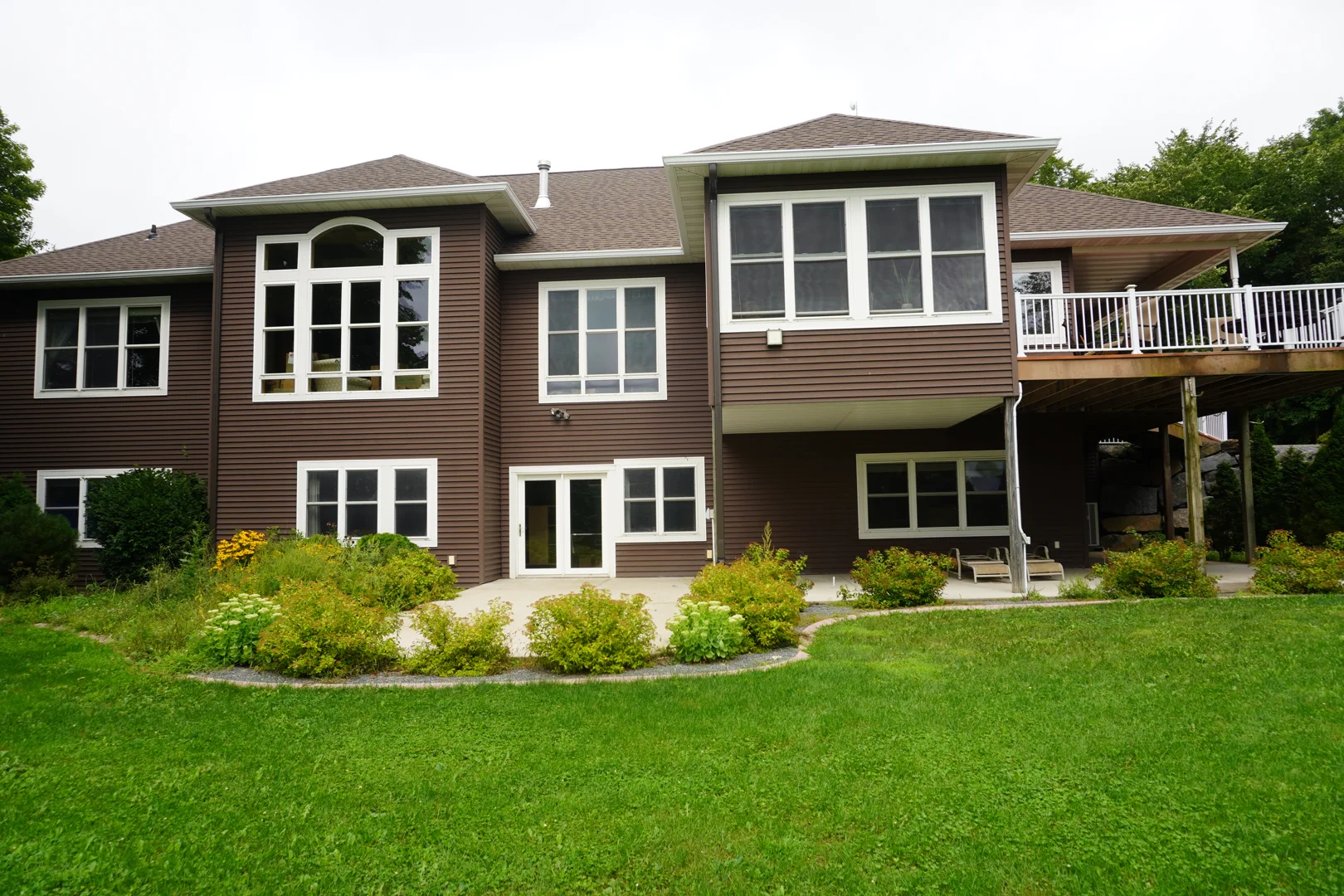
Why Homeowners Search for Replacement Windows Near Me
If you've been looking for replacement windows near me, here's a quick answer to help you decide where to start:
Top local window replacement options to consider:
| Option | Best For |
|---|---|
| Specialty window companies | Full-service consultation, custom products, strong warranties |
| Big-box retailers | Budget-friendly options, variety of styles and materials |
| Local exterior contractors (like A-RITE Exteriors) | Bundled exterior work, local knowledge, one point of contact |
| Wholesale distributors | Contractor sourcing, wide brand selection |
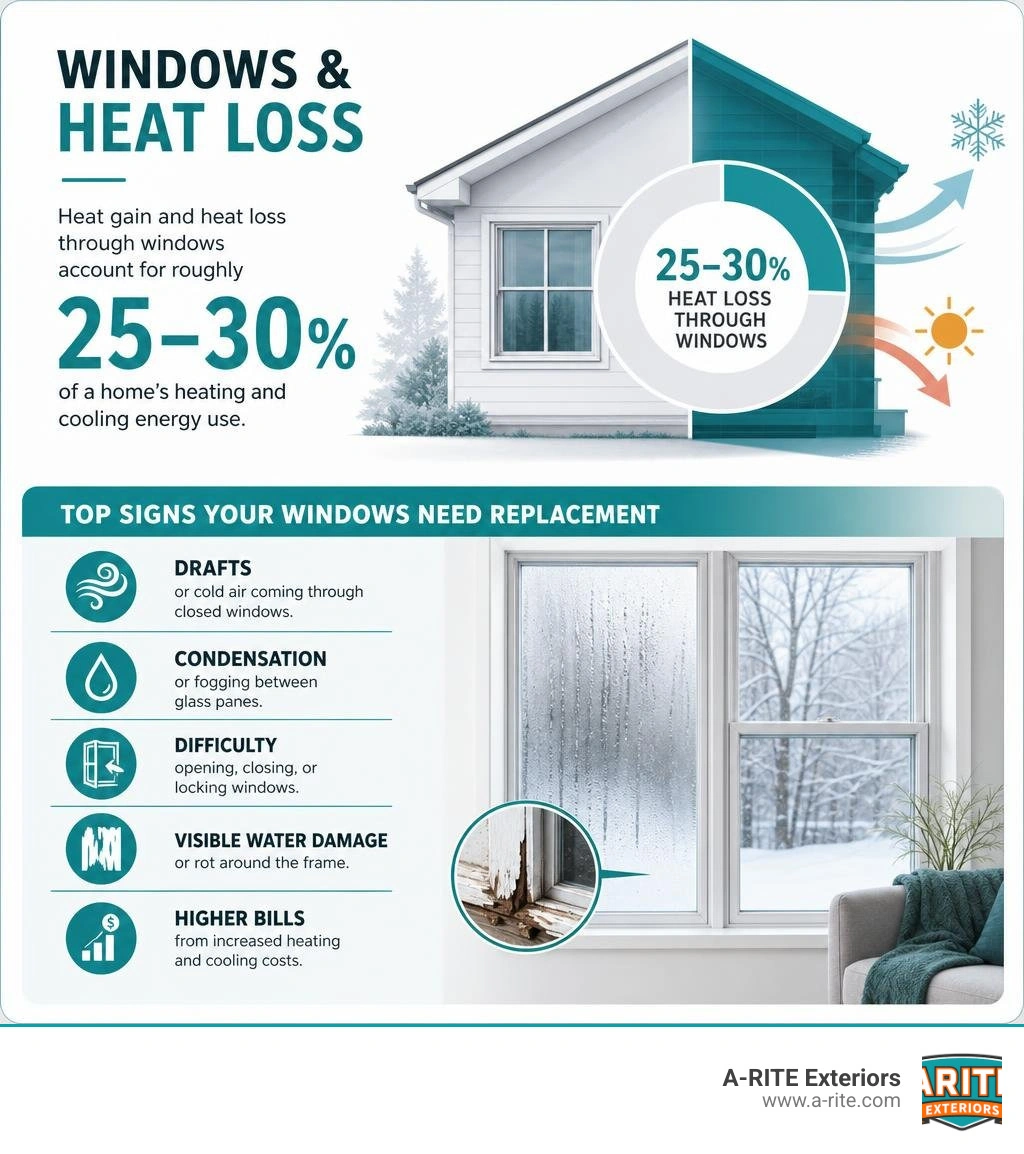
Signs you likely need replacement windows:
- Drafts or cold air coming through closed windows
- Condensation or fogging between glass panes
- Difficulty opening, closing, or locking windows
- Visible water damage or rot around the frame
- Noticeably higher heating or cooling bills
Windows matter more than most homeowners realize. According to the U.S. Department of Energy, heat gain and heat loss through windows account for roughly 25 to 30 percent of a home's heating and cooling energy use. In Central Wisconsin, where winters are long and cold, that number can have a real impact on your comfort and your monthly bills. Old, drafty windows are not just an inconvenience. They are a gap in your home's protection.
This guide walks you through everything you need to know: window materials, how to measure, what installation looks like, what things cost, and what warranties actually cover. Whether you have one problem window or you're replacing every window in the house, the goal is to help you make a confident, informed decision.
I'm Bryan Londerville, founder of A-RITE Exteriors, a roof-first exterior company serving Central Wisconsin homeowners since 2002, and replacement windows near me is one of the most common exterior questions our team fields alongside roofing and siding. Let's walk through what you need to know before you call anyone.
Understanding Your Local Window Replacement Options
When you begin searching for new windows, the sheer number of choices can feel overwhelming. The frame material you choose affects how your windows look, how much maintenance they require, how long they last, and how well they insulate your home.
In Central Wisconsin, we experience a wide range of weather, from hot, humid summer days to deeply cold winter nights. Your window frames need to handle these temperature swings without warping, cracking, or letting cold air sneak inside.
Here is a quick comparison of the most common window materials available on the market:
| Material | Average Cost | Insulation Value | Maintenance Required | Best Suited For |
|---|---|---|---|---|
| Vinyl | Low to Moderate | High | Very Low | Budget-conscious homeowners looking for high efficiency |
| Wood | High | Excellent | High (requires painting/staining) | Historic homes and traditional architectural styles |
| Fiberglass | Moderate to High | Excellent | Low | Extreme temperature swings and long-term durability |
| Aluminum | Low to Moderate | Low | Low | Mild climates (not recommended as primary frames in Wisconsin) |
Choosing the Right Material for Wisconsin Winters
Each material has its own strengths and weaknesses, especially when it comes to facing a cold Wisconsin winter.
- Vinyl Windows: Vinyl is the most popular replacement window material for a reason. It is highly resistant to heat transfer, meaning it helps keep your warm air inside during the winter. It does not need to be painted, and it will not rot or decay when exposed to snow and ice.
- Fiberglass Windows: Fiberglass is incredibly strong and stable. Because fiberglass is made from glass fibers and resin, it expands and contracts at nearly the same rate as the glass panes inside it. This keeps the seals tight and reduces the risk of drafts during extreme cold snaps.
- Wood Windows: Wood offers exceptional natural insulation and a classic look that is hard to match. However, wood frames require regular painting or staining to protect them from moisture. If moisture gets past the paint, wood can rot, which is a major concern in snowy areas like Wausau, Minocqua, and Merrill.
- Aluminum Windows: While aluminum is strong and lightweight, it conducts heat and cold very quickly. This makes it a poor choice for Wisconsin homes, as it can lead to heavy condensation and frost buildup on the inside of the frame during the winter.
If you want to explore high-quality wood and clad-wood options designed to withstand our northern climate, you can browse local selections at the Windows | Doors - Pukall Lumber Company | Northern WI website or visit their showroom.
Finding Energy-Efficient Windows for Your Home
Choosing the right frame material is only half the battle. The glass itself does most of the heavy lifting when it comes to energy efficiency. When you are comparing different window models, look for these key features:
- Low-E Glass: Low-E stands for low-emissivity. This is a microscopic metal oxide coating applied to the glass. In the winter, it reflects heat back into your home. In the summer, it reflects outdoor heat away, helping keep your home comfortable year-round.
- Argon Gas Fill: Insulated glass units are sealed and may be filled with argon or another insulating gas. Argon conducts less heat than air, creating an extra barrier against cold drafts.
- ENERGY STAR Certification: The ENERGY STAR label tells you that a window meets strict energy efficiency guidelines set by the EPA. Windows are rated for specific climate zones, so make sure the windows you choose are certified for the Northern Zone, which covers all of Wisconsin.
Upgrading to energy-efficient models can help lower your heating bills and make drafty rooms feel cozy again. You can learn more about how we approach these energy-efficient upgrades on our Windows service page.

Measuring, Installation, and What to Expect
Once you select your window style and material, the next step is planning the physical installation. Proper measurement and installation are critical. Even the most expensive, energy-efficient window on the market will perform poorly if it is not installed correctly.
Pocket/Insert vs. Full-Frame Replacement
There are two primary methods for replacing a window: pocket/insert replacement and full-frame replacement.
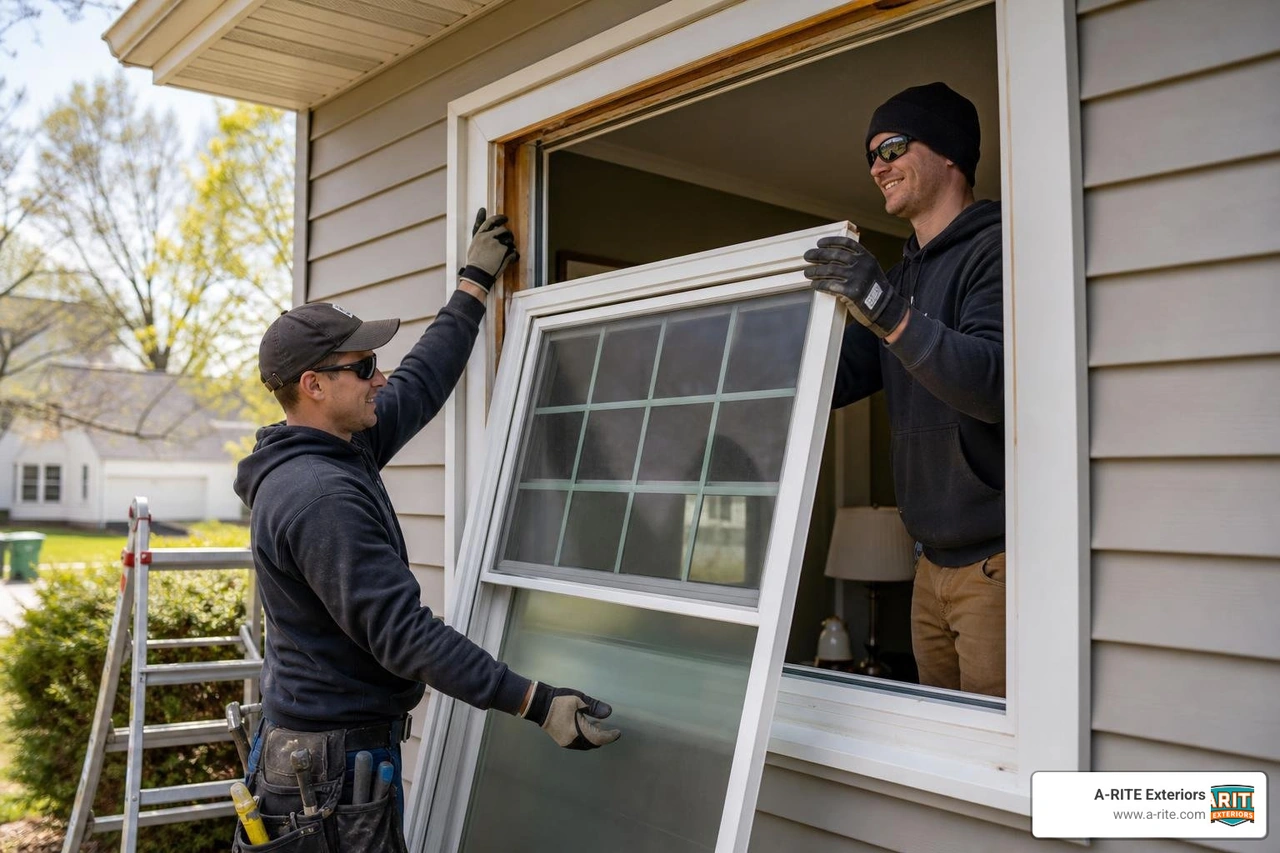
- Pocket/Insert Replacement: This is often called a "retro-fit" or "pocket" installation. In this process, the installer removes the old window sashes (the moving parts) but leaves the existing wooden frame and exterior trim intact. The new window is slid directly into the existing pocket. This method is faster, less disruptive, and preserves your original interior trim. However, it only works if your existing window frame is structurally sound, level, and free of rot.
- Full-Frame Replacement: In a full-frame installation, the entire window, including the frame, sashes, casing, and trim, is removed down to the rough stud opening. This allows installers to inspect the surrounding wall for water damage, replace any rotted wood, and add fresh insulation around the frame. This method is necessary if your old frames are rotting or out of square, or if you want to change the size or shape of your window.
How to Measure for New Windows
If you are planning to order insert windows, you must measure the existing opening carefully. Here is how professional installers measure a window to ensure a perfect fit:
- Measure the Width: Measure the distance between the inside of the window jambs at three points: the bottom, the middle, and the top. Use the smallest of these three measurements.
- Measure the Height: Measure from the high point of the sill (the part closest to the inside of the house) to the top jamb. Do this on the left side, the middle, and the right side. Use the smallest measurement.
- Check the Depth: Ensure the window opening has at least 3 and 1/4 inches of clear depth between the inside window stop and the outside blind stop.
- Check for Squareness: Measure diagonally from the top-left corner to the bottom-right corner, and then from the top-right corner to the bottom-left corner. If the two diagonal measurements are within 1/4 inch of each other, your frame is square. If they differ by more, a pocket window may not fit correctly, and you may need a full-frame replacement.
While some homeowners attempt to measure and order windows themselves, even a tiny error can leave you with a window that does not fit your home. Having a professional contractor handle the measurements protects you from ordering the wrong sizes.
Costs, Warranties, and Local Incentives
Understanding the financial side of window replacement helps you plan your project without surprises. The total cost of your project depends on the number of windows, the frame material, the glass options, and the complexity of the installation.
Window replacement pricing depends on window size, material, glass package, installation method, trim work, and hidden damage. A-RITE Exteriors provides project-specific estimates so homeowners can compare options clearly.
For a complete home window replacement, financing options may be available for qualifying homeowners. Terms, rates, and eligibility can change, so we always recommend confirming these details before making a final decision. If you want to view different window styles in person and discuss local pricing, you can check out the Merrill, WI Showroom - Lincoln Windows to see high-quality options built right here in Wisconsin.
Understanding Window Warranties
When comparing window brands, it is important to look closely at the warranty. A good warranty provides peace of mind, but you must understand what is covered and who is responsible for the repairs. Always separate manufacturer warranty coverage from workmanship coverage:
- Manufacturer Warranties: These cover eligible material or system defects according to the manufacturer's terms. For example, a manufacturer's warranty might cover seal failure (condensation between the panes) for 20 years, but it may not cover the cost of the labor to replace the glass.
- Workmanship Warranties: These cover eligible installation-related issues according to the contractor's written terms. If a window leaks because it was not flashed or sealed correctly, that falls under the workmanship warranty.
Working with a single, established local contractor gives you one clear point of contact for questions and support if anything goes wrong down the road.
Local Rebates and Financial Incentives
Because energy efficiency is a major priority in Wisconsin, it is worth checking current programs before starting your project:
- Wisconsin Energy Programs: Some Wisconsin energy programs may include windows as part of a qualifying home energy project. Always use the current Focus on Energy rebate finder or ask your contractor before counting on a rebate.
- Federal Tax Credits: The federal Energy Efficient Home Improvement Credit, also called Section 25C, is not available for window projects placed in service after December 31, 2025. If you are asking about a qualifying 2025 project, consult a tax professional to confirm whether your specific project may be eligible.
Frequently Asked Questions About Window Replacement
How long do replacement windows typically last?
On average, a well-maintained, high-quality window can last between 15 and 20 years. Some premium materials, like fiberglass or clad wood, can last even longer if they are cared for properly.
To ensure your windows last as long as possible, clean the glass and frames regularly, check the exterior caulking annually for cracks, and make sure the window hardware is functioning smoothly. If you notice drafts, condensation between the panes, or frame rot, those are clear signs that the window has reached the end of its lifespan.
Can I replace my own windows or should I hire a contractor?
While a skilled DIY homeowner can handle basic pocket window installations, hiring a professional is usually the safest choice. Installing a window incorrectly can lead to hidden water leaks inside your walls, which can cause structural rot and mold over time.
Additionally, many manufacturers will void their product warranty if the window is not installed according to their strict specifications. Working with a licensed, insured local professional helps protect your investment, as long as the product and installation meet the written warranty terms. For more guidance on choosing the right help for your home's exterior, read our article on Who Can Help With Roofing, Gutters, Siding, Windows and Insulation Near Me.
What are the signs that my windows need to be replaced?
The most common signs include drafty rooms, rising energy bills, and condensation trapped between the double panes of glass. If you see water stains on the drywall around your window frames, or if the wood frames feel soft or spongy to the touch, water is already bypassing your window seals.
Difficulty opening or closing your windows is another sign that the house has settled or the window frames have warped, meaning they can no longer seal shut properly.
Conclusion
Upgrading your windows is one of the best ways to protect your home, lower your heating costs, and make your living space more comfortable during our cold Wisconsin winters. Whether you are in Wausau, Stevens Point, Schofield, or Minocqua, choosing the right materials and ensuring a professional installation will keep your home warm and secure for decades to come.
If you are ready to stop dealing with drafts and start enjoying clear views, we are here to help. Contact us today for a professional, honest estimate on your next project. Trust the Hawk on Your Block with your window project and let our experienced team help you protect your home.