Why Some Homes Get Ice Dams (and Others Don’t)
Ice dams do not happen randomly.
Some homes are much more likely to develop them than others.
The short answer:
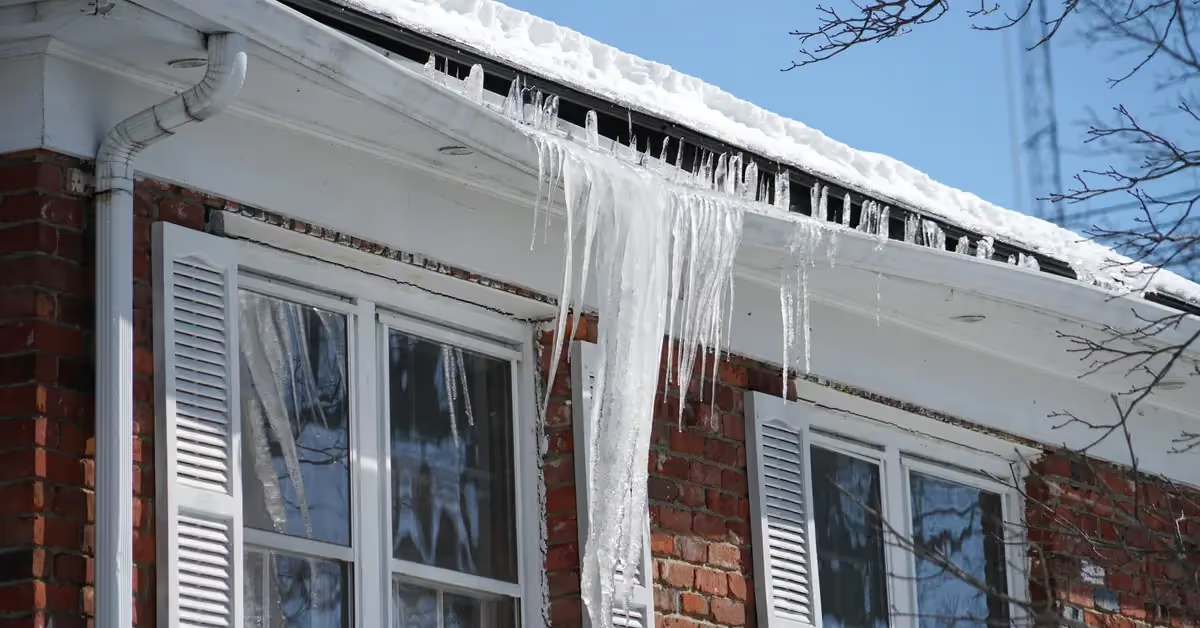
Ice dams form when heat escapes into your attic, melts snow on your roof, and refreezes at the edges. Homes with poor insulation, ventilation, or roof design are more at risk.
What Causes Ice Dams?
Ice dams form when different parts of your roof are at different temperatures.
Here is what happens:
- Heat escapes from your home into the attic
- Snow on the roof melts
- Water runs down toward the edge
- It refreezes at the colder eaves
Over time, this creates a ridge of ice that traps more water behind it.
That trapped water is what causes damage.
Why Some Homes Are More Prone to Ice Dams
Poor Insulation
Insulation is one of the biggest factors.
If your attic insulation is not thick enough or installed properly:
- Heat escapes easily
- The roof warms unevenly
- Snow melts faster than it should
This creates the perfect conditions for ice dams.
Air Leaks in the Attic
Even small gaps can cause big problems.
Warm air can leak through:
- Light fixtures
- Attic hatches
- Plumbing and vent openings
- Chimney areas
These leaks create hot spots on your roof, which leads to uneven melting.
Inadequate Ventilation
Your attic should stay cold in winter.
Proper ventilation helps move cold air through the space and remove heat.
Without it:
- Warm air gets trapped
- Roof temperatures rise
- Ice dams form more easily
Balanced intake and exhaust ventilation is key.
Roof Design and Pitch
The shape of your roof matters.
Homes with:
- Low-slope roofs
- Multiple valleys or dormers
- Complex rooflines
are more likely to hold snow and create uneven melting patterns.
Steeper roofs tend to shed snow faster, which reduces risk.
Sun Exposure and Orientation
Sunlight plays a bigger role than most homeowners expect.
South-facing areas of your roof may:
- Melt snow during the day
- Refreeze at night
This daily cycle can create ice buildup, especially when combined with poor insulation.
Gutter Condition and Placement
Gutters do not cause ice dams, but they can make them worse.
Problems include:
- Clogged gutters
- Poor drainage
- Ice buildup inside the system
When water cannot drain properly, it freezes faster at the roof edge.
How to Prevent Ice Dams
The best way to deal with ice dams is to stop them before they start.
Here are the most effective steps:
- Seal air leaks in your attic
- Upgrade insulation to proper levels
- Improve attic ventilation
- Clean gutters before winter
- Remove excess snow from roof edges
These steps help keep your roof temperature consistent.
What to Do If You Already Have Ice Dams
If ice is already forming, avoid trying to remove it yourself.
Common DIY methods like chipping ice or using salt can:
- Damage shingles
- Harm gutters
- Create safety risks
Professional removal uses safe methods that protect your roof while removing the ice.
Think About Your Home as a System
Ice dams are not just a roof problem.
They are a sign that your home’s insulation, ventilation, and airflow are not working together.
At A-RITE Exteriors, we look at the full system to help prevent issues like ice dams and protect your home long-term.
Protect Your Home This Winter
If your home is prone to ice dams, it is important to act early.
Addressing the root cause now can help you avoid:
- Roof leaks
- Interior damage
- Expensive repairs
Getting a professional evaluation is the best way to understand your risk and protect your home.
A-RITE Exteriors. The Best Defense for Your Nest.