Can Ice Dams Form on Metal Roofs?
Yes, ice dams can form on metal roofs.
They are less common than on shingle roofs, but they can still happen when the right conditions are present.
The short answer:
Ice dams on metal roofs are usually caused by heat loss, poor ventilation, or roof design issues, not the roofing material itself.
Why Metal Roofs Are Less Prone to Ice Dams
Metal roofs have a smoother surface than shingles.
This helps:
- Snow slide off more easily
- Reduce buildup along the roof edge
- Limit the amount of melting and refreezing
Many metal roof systems also include ventilation designs that help keep roof temperatures more consistent.
How Ice Dams Still Form on Metal Roofs
Even with those advantages, ice dams can still develop.
The process is the same:
- Heat escapes into the attic
- Snow melts on the roof
- Water flows downward
- It refreezes at the colder edges
This cycle creates a ridge of ice that traps water behind it.
Conditions That Increase the Risk
Certain factors make ice dams more likely, even on metal roofs.
Poor Insulation
If your attic insulation is not strong enough:
- Heat escapes easily
- Snow melts unevenly
- Ice buildup becomes more likely
Inadequate Ventilation
Without proper airflow:
- Warm air gets trapped in the attic
- Roof temperatures rise
- The melt and refreeze cycle continues
Roof Design and Pitch
Some roof designs naturally hold more snow.
Higher risk situations include:
- Low-slope roofs
- Roof valleys and intersections
- Dormers or complex layouts
These areas collect snow and create uneven melting patterns.
Weather Conditions
Ice dams are more likely during:
- Heavy snowfall followed by temperature swings
- Sunny days with freezing nights
- Rapid freeze and thaw cycles
Signs of Ice Dams on a Metal Roof
Watch for these warning signs:
- Ice buildup along the roof edge
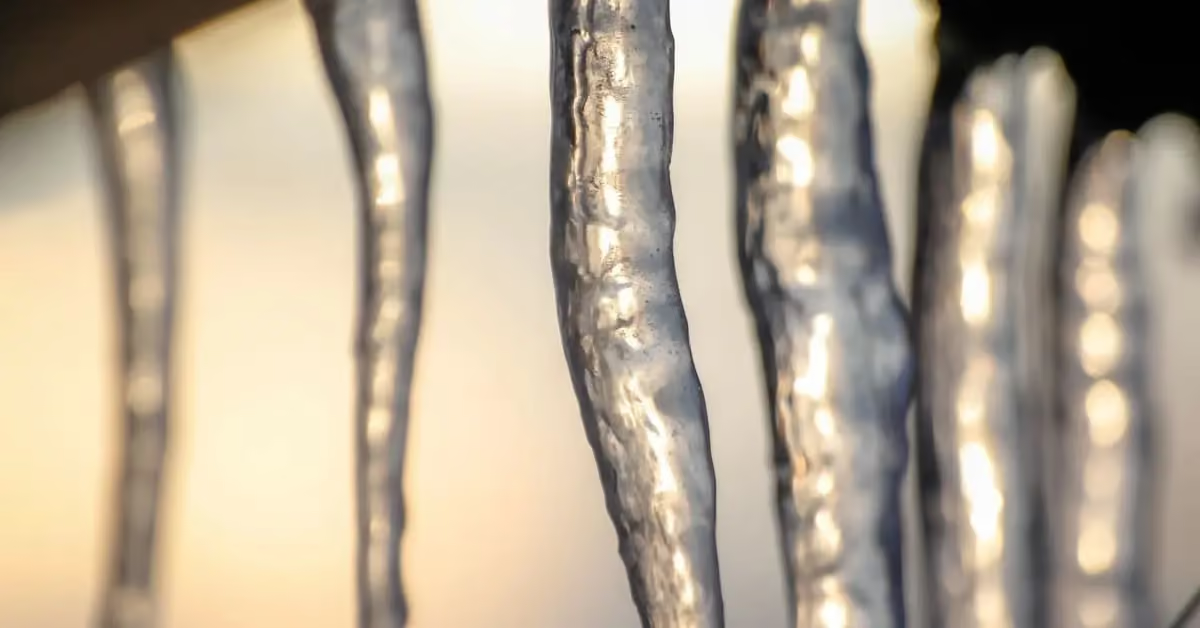
- Long or thick icicles
- Water stains on ceilings or walls
- Damp insulation in the attic
Catching these early can help prevent bigger problems.
Risks of Ice Dams on Metal Roofs
Metal roofs are durable, but ice dams can still cause damage.
Potential issues include:
- Water pushing under seams or flashing
- Leaks into the attic or home
- Stress on gutters and fasteners
- Ice falling and creating safety hazards
Even a strong roof system can be affected if the problem is not addressed.
Do Heat Cables Solve the Problem?
Heat cables can help melt small channels in ice.
But they are not a long-term solution.
They:
- Increase energy use
- Only treat symptoms, not the cause
- Require ongoing maintenance
Fixing insulation and ventilation is a more effective solution.
The Safest Way to Remove Ice Dams
Avoid DIY removal methods like:
- Chipping ice with tools
- Using salt or harsh chemicals
These can damage your roof and gutters.
Professional removal uses low-pressure steam to safely melt ice without causing harm.
How to Prevent Ice Dams on Metal Roofs
Prevention focuses on controlling heat and airflow.
Key steps include:
- Upgrade attic insulation
- Seal air leaks
- Improve ventilation
- Keep gutters clear
- Remove excess snow when needed
These steps help keep your roof temperature consistent.
Think Beyond the Roof Material
Ice dams are not just about what your roof is made of.
They are a sign that your home’s system is out of balance.
At A-RITE Exteriors, we look at your roof, insulation, and ventilation together to prevent problems like ice dams and protect your home long-term.
Protect Your Home This Winter
Metal roofs offer great performance, but they are not immune to winter problems.
If you are seeing signs of ice buildup or want to prevent issues before they start, it is worth getting a professional opinion.
Taking action early can help you avoid leaks, damage, and costly repairs.
A-RITE Exteriors. The Best Defense for Your Nest.