For most homeowners, safe DIY ice dam removal stops at the ground. You can use a roof rake to pull snow off the lower part of your roof, keep your gutters and downspouts clear, and watch for leaks inside. If the ice is thick, water is coming in, or you'd need a ladder to reach it, a professional is the safer and more effective choice.
This guide compares both options side by side, explains which DIY methods to skip, and covers what to expect when you call a pro.
Why This Question Comes Up Every Winter in Central Wisconsin
Wausau averages about 64 inches of snow a season, according to the Wisconsin State Climatology Office. That snow can sit on roofs from Wisconsin Rapids to Minocqua for weeks. Add a few sunny afternoons and cold nights, and ice dams can grow fast.
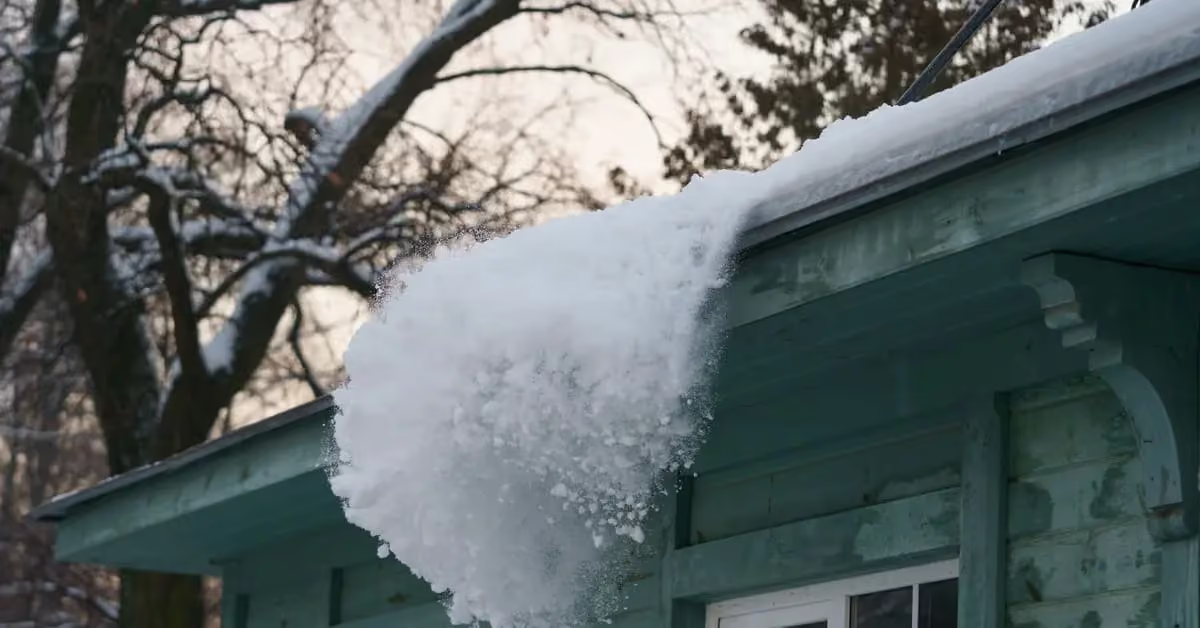
An ice dam forms when heat from your home warms the roof and melts the snow. The water runs down to the cold roof edge and freezes into a ridge. More water then pools behind that ridge and can back up under your shingles. If you want a refresher on the warning signs, see our guide to early signs of ice dams.
When you spot one, the big question is whether to handle it yourself. Here's how the two options compare.
DIY vs. Professional Ice Dam Removal at a Glance
- Safety: DIY means ladders and icy surfaces, with a real risk of falls. Professional crews have training and safety gear.
- Best for: DIY works for pulling snow off the lower roof from the ground. Pros handle thick ice, active leaks, and hard-to-reach roofs.
- Risk to your roof: DIY tools can crack shingles or bend gutters. Careful professional methods lower that risk.
- How much it clears: DIY often removes only snow or the edge of the ice. A pro clears a path so water can drain.
- Fixes the cause: DIY doesn't. A good contractor will explain what's causing your ice dams.
What You Can Safely Do Yourself
These steps help without putting you or your roof at risk:
- Use a roof rake from the ground. After a big snowfall, pull snow off the first few feet of your roof above the gutters. Less snow means less meltwater feeding the dam. Leave a thin layer of snow on the shingles so the rake doesn't scrape them.
- Keep gutters and downspouts clear. Clean them in the fall so meltwater has a path off the roof. Make sure downspouts aren't blocked by ice or snowbanks at the bottom.
- Watch the inside of your home. Check ceilings near outside walls, window tops, and the attic after each thaw.
- Protect your things. If water drips inside, move furniture, set out buckets, and dry wet areas quickly. The EPA recommends drying water-damaged areas within 24 to 48 hours to help prevent mold.
- Stay clear of big icicles. Keep kids, pets, and cars away from areas where ice could fall.
DIY Pros
- Low cost
- You can act right away without scheduling
- Works well for prevention after each snowfall
DIY Cons
- High risk of falls from ladders and icy roofs
- Easy to damage shingles, flashing, or gutters
- Usually removes snow, not the ice dam itself
- Does not fix the heat loss that causes ice dams
DIY Methods to Skip
Some common "quick fixes" do more harm than good:
- Chipping with a hammer, ax, or shovel. Shingles get brittle in the cold. Chipping can crack them, knock off granules, and tear the seal that keeps water out.
- Rock salt. It can harm your roofing, gutters, and plants, and it rarely clears the whole dam.
- Heat guns, torches, or open flames. These are fire hazards and can melt or scorch roofing materials.
- Pressure washers. High pressure can strip granules and force water up under your shingles.
- Climbing onto the roof. Snow hides ice, and a roof in winter is slick even with good boots. No ice dam is worth a fall.
What Professional Ice Dam Removal Looks Like
Professional crews have safety equipment and experience working on snowy, icy roofs. The goal is to open a path for trapped water to drain without cracking shingles or bending gutters. Methods vary from one company to the next, so ask any contractor how they remove ice and how they protect your roof while they work.
A good contractor will also look past the ice. Ice dams are usually a sign that heat is escaping into your attic. Removing the ice solves today's problem. Finding the cause helps you avoid the same problem next winter.
Professional Pros
- Much safer for you and your family
- Careful methods lower the risk to shingles and gutters
- Faster results on thick or widespread ice
- An expert look at what's causing the problem
Professional Cons
- Costs more upfront than a roof rake
- Crews can get busy after big storms, so you may need to wait
How A-RITE Exteriors Handles Ice Dam Removal
At A-RITE Exteriors, we use steam. It melts through the ice without the hammering or high pressure that can crack shingles and bend gutters. When heavy snow is feeding the problem, we clear that from your roof too.
Our ice dam removal service follows three steps:
- Inspect the roof edge and visible winter risk. We look at the ice buildup, the roof edge, and signs that melting snow isn't draining the way it should.
- Explain the problem and the next step. We walk you through what an ice dam is, why it matters, and what kind of response makes sense for your home.
- Remove the ice dam and help you plan ahead. Once the immediate problem is handled, we help you understand what may be causing it and what to watch for moving forward.
What Affects the Cost of Professional Ice Dam Removal
Every roof is different, so the cost depends on the job. The biggest factors are:
- How much ice there is. Longer and thicker dams take more time to clear.
- Your roof's height and pitch. Steep or tall roofs take more safety setup.
- Access around your home. Decks, landscaping, and tight spaces can slow the work.
- Whether water is already inside. Active leaks may call for extra steps.
Ask for a clear explanation of the work before it starts, so you know what's included.
Is Professional Ice Dam Removal Worth It?
For light snow you can reach from the ground, a roof rake may be all you need. When the ice is thick or water is getting in, professional removal is usually worth it. A leak can damage your roof decking, attic insulation, drywall, paint, and floors, and each of those repairs adds up. Stopping the water early protects your roof and can save you from a much bigger project in the spring. It also keeps you off a slippery ladder.
Removal Is Only Half the Job
Removing the ice dam fixes this winter's problem. Preventing the next one means addressing the cause. Common fixes include:
- Air sealing. Sealing gaps around light fixtures, bath fans, vent pipes, and attic hatches keeps warm air out of the attic.
- Attic insulation. Adding attic insulation slows the heat that reaches your roof.
- Attic ventilation. Good airflow from the soffits to the ridge helps keep the roof deck cold.
- Gutters that drain. Well-sized, clean gutters give meltwater a way off the roof.
- An ice and water barrier. When you replace your roof, a waterproof layer along the eaves helps keep backed-up water out of your home. Our roofing team can explain how far it should run on your roof.
So, Which Option Is Right for You?
DIY makes sense when:
- The snow is on a lower roof you can reach from the ground
- There's no thick ice and no water inside
- You can use a roof rake without a ladder
Call a professional when:
- The ice ridge is thick or keeps growing
- Water is dripping inside or stains are showing up
- Reaching the ice would mean climbing a ladder or getting on the roof
- Ice dams come back every winter
Frequently Asked Questions
Do heat cables prevent ice dams?
Heat cables can help keep a small drainage path open in a trouble spot, like a valley or the roof edge above a door. They don't stop the heat loss that causes ice dams, so think of them as a backup, not a fix. Air sealing and attic insulation address the cause. At A-RITE Exteriors, we install heat cables for spots where ice dams keep coming back.
What is an ice dam steamer, and is it the same as a pressure washer?
An ice dam steamer is equipment that uses low-pressure steam to melt through ice on a roof. It is different from a pressure washer, which sprays water at high force and can strip shingle granules or push water under your roofing. Whatever the equipment, ask your contractor how they will protect your shingles. At A-RITE Exteriors, we use steam for ice dam removal.
Can I use salt to melt an ice dam?
Skip rock salt. Salty meltwater can wear on shingles, corrode metal gutters and flashing, and kill the plants below your roof. Salt also melts only a small spot, so most of the dam stays in place.
Should I get on my roof to remove an ice dam?
No. Snow hides slick ice, and winter roofs are dangerous even for experienced workers without the right gear. Stay on the ground and use a roof rake, or call a professional for ice that's out of reach.
Will removing the ice dam keep it from coming back?
Removal clears the current problem, but ice dams often return when the cause stays in place. Most ice dams start with heat escaping into the attic. Air sealing, attic insulation, and good ventilation are the long-term fixes.
Get Safe, Clear Help This Winter
You don't have to guess or climb a ladder to protect your home. A-RITE Exteriors has served Central Wisconsin homeowners since 2002. We'll inspect your roof edge, explain what we find in plain language, and help you plan ahead so ice dams are less likely to come back.
Call us at (715) 201-3459 or contact our team to schedule a visit.
Trust the Hawk on Your Block.